Senior Year Experience: Igniting Creativity and Innovation at Williams College

As senior year at Williams College nears its conclusion, students are offered a unique and exciting opportunity to leave their legacy through the Senior Year Experience (SYE). The Makerspace and Fabrication Lab are collaborating with the SYE to offer seniors opportunities to channel their creativity and bring their most ambitious ideas to life.
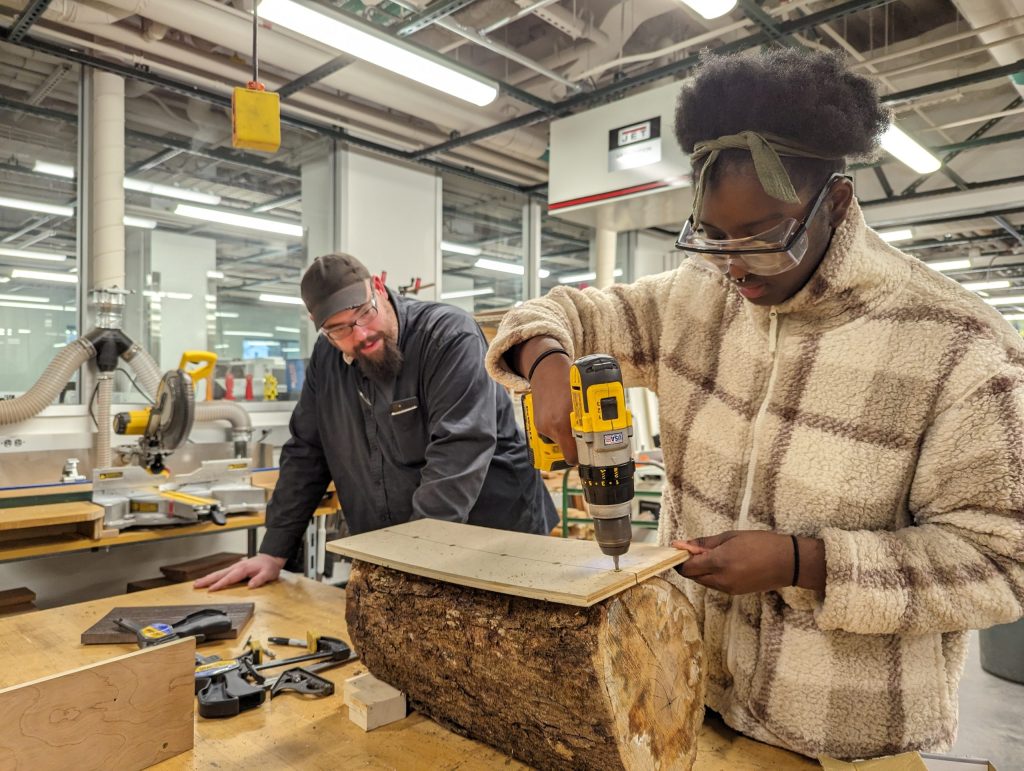
makerspaceWhether it’s working on a meaningful piece of art, designing an innovative product, or building something entirely out of the box, the SYE provides access to cutting-edge tools like 3D printers, laser cutters, woodworking equipment, and more. But it’s not just about the tools students are guided by experienced staff who are passionate about turning ideas into tangible results.

The SYE encourages seniors to think big, experiment boldly, and create something that truly reflects their passions and journey at Williams. It’s not just a project; it’s a chance to showcase innovation, dedication, and individuality as they prepare to step into the next chapter of their lives.

What is the Senior Year Experience?
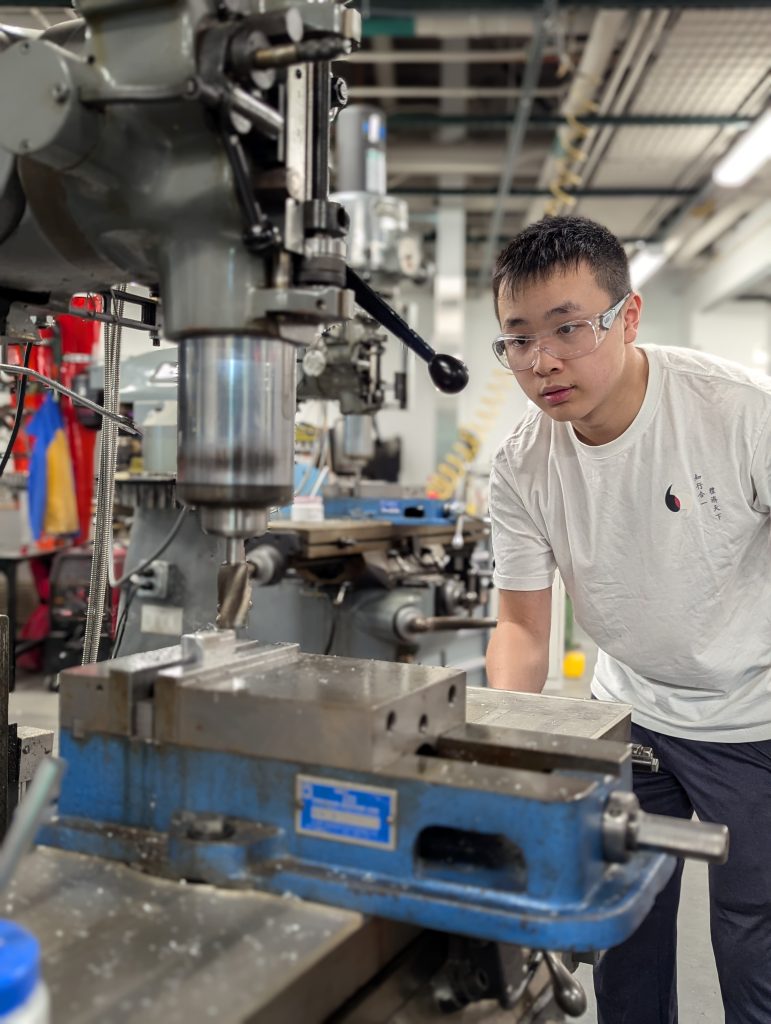
The Senior Year Experience (SYE) is an exciting opportunity for seniors to dive into extracurricular projects that reflect their passions and aspirations. Whether you’re envisioning a sustainable 3D printing solution, designing intricate textiles, or building innovative prototypes with Raspberry Pi, the SYE provides the perfect platform to bring your ideas to life. The possibilities are as vast as your imagination.

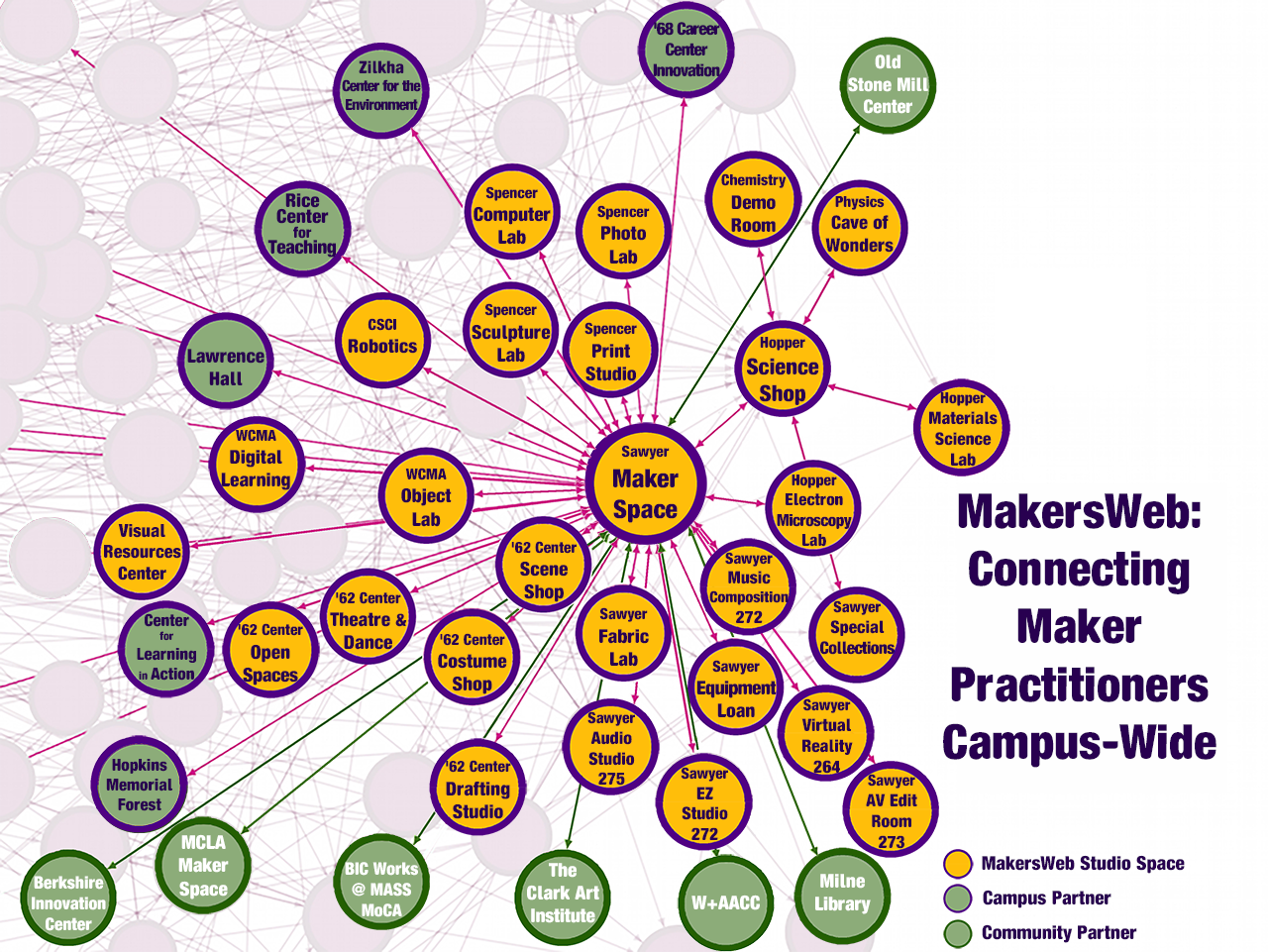
What sets this program apart is its access to an incredible network of resources, including the Makerspace, Fabrication Lab, and perhaps even parts of the interdisciplinary MakersWeb. These spaces foster collaboration and creativity, connecting students with over 20 unique workspaces across campus. It’s not just about the tools; it’s about the vibrant community of creators who inspire and support one another.

Students have the freedom to explore a wide range of mediums, such as:

  • 3D Printing and Scanning: Create intricate designs or explore sustainable printing solutions.
  • Laser Cutting and Engraving: Add precision and detail to your projects with state-of-the-art technology.
  • Photogrammetry and Mold Making: Transform objects into digital models or design complex molds.
  • Fiber Arts: Try your hand at quilting, sewing, crocheting, or even experimenting with mixed textiles.
  • Microprocessor Prototyping: Build interactive devices using Arduino or Raspberry Pi.
  • Woodworking and Cricut Cutting: Craft furniture, decor, or intricate designs with these versatile tools.

The Application Process: Turning Ideas into Reality

Getting started with the Senior Year Experience (SYE) is as straightforward as sharing your vision. The process is designed to be simple yet impactful, ensuring that every participant has the opportunity to fully explore their creativity. Here’s how it works:

1. Submit Your Idea

The journey begins with an email. Reach out to David Keiser-Clark, the Makerspace Program Manager, to pitch your project idea. Don’t worry if it’s still in the brainstorming stage. This is your chance to outline your vision, explain your goals, and share what excites you about your project. Whether it’s a sustainable solution, an artistic masterpiece, or a tech-driven innovation, the SYE is all about giving life to bold and unique ideas.

2. Collaborate and Create
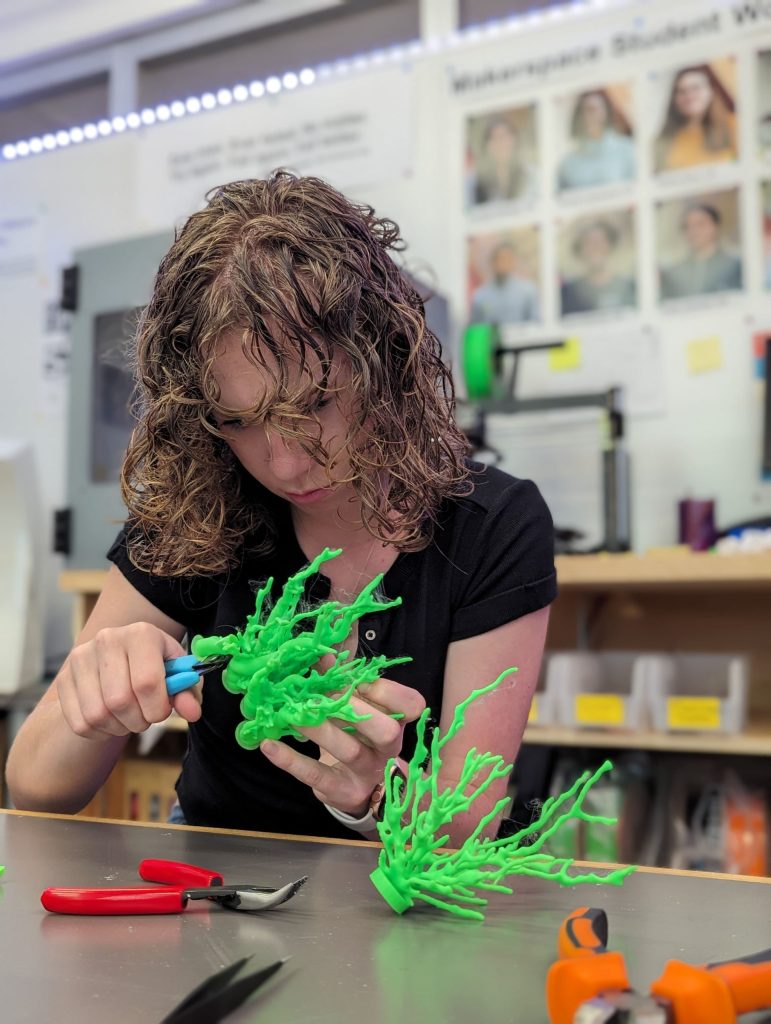
Once your project is accepted, you’ll dive into the creative process with the support of campus experts and access to state-of-the-art tools. From 3D printers and laser cutters to fiber arts tools and microprocessor kits, the Makerspace and Fabrication Lab have everything you need to bring your concept to life. You’ll also have the chance to collaborate with knowledgeable staff and fellow students, making the experience as enriching as it is productive.

3. Showcase Your Work

At the end of the semester, your project will take center stage. Whether it’s displayed at an exhibition or shared with the broader campus community, your work will inspire future innovation and creativity. Completing an SYE project isn’t just about the final product, it’s about the process, the lessons learned, and the mark you leave on the Williams community. You also will be offered an opportunity to amplify your work by writing a guest Makerspace blog post.

What You Need to Know

  • The SYE accepts up to five projects per semester on a first-come, first-served basis. This ensures each participant receives a personalized, focused experience.
  • Selected projects are matched with the expertise available on campus, ensuring the right guidance and resources are at your fingertips.

The application process is intentionally simple, giving you more time to focus on what really matters, creating something meaningful, innovative, and entirely your own. So, if you have an idea that’s been buzzing in your head, now’s the time to turn it into reality. The SYE is your platform; all you need to do is take the first step.

A Network of Campus Partners

The SYE thrives on collaboration, integrating support from campus partners like Alumni Engagement, Career S

ervices, the Zilkha Center, and more than a dozen others. These partnerships enhance the program’s impact, offering students a robust platform to refine their skills and showcase their achievements.

Leadership Behind the SYE

The Senior Year Experience (SYE) at Williams College was initiated under the leadership of Associate Dean Ray Grant, who serves as the Associate Dean for Senior Year Students and Director of Students in Transition. Dean Grant has been instrumental in shap

ing the SYE to provide seniors with meaningful opportunities to celebrate their achievements, explore new interests, and prepare for life after graduation. His dedication to student development ensures that the SYE remains a cornerstone of the senior experience at Williams. 

If the SYE had a superhero, it would be Dean Ray Grant: the guy who turned the “senior slump” into a launchpad for creativity and adventure. As the Associate Dean for Senior Year Students, he’s made sure the SYE isn’t just another check-the-box requirement but a once-in-a-lifetime chance to make your mark at Williams. His goal? Help every senior leave with stories, skills, and something awesome to show for their time here.

Why SYE Matters
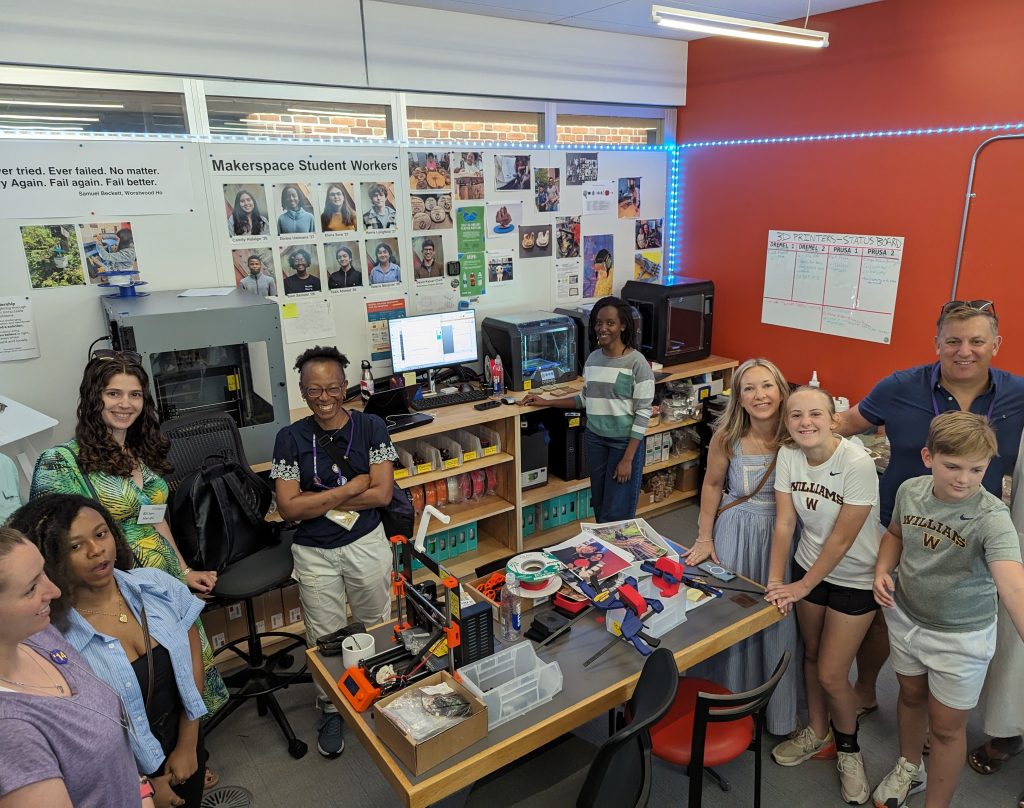
Beyond creating something tangible, the SYE is about professional growth and personal fulfillment. Imagine presenting a digital portfolio of your project to potential employers, highlighting skills in research, design, and execution. Platforms like Wakelet and Bulb, recommended by the SYE team, provide seamless ways to compile and share these experiences.

Inspiring Creations

The Makerspace has already facilitated awe-inspiring projects, such as:

  • High resolution 3D photogrammetry scans of million year old Bovid teeth from an archeological site in the Siwalik Hills, India
  • Extracurricular 3D-printed and painted board games like Catan
  • Sustainably harvested Hopkins Forest logs to laser-engraved garden signs for the Zilkha Center
  • Museum quality exhibition reproductions such as this Mayan Tenon (“monster” head)
  • Lincoln life masks brought to life with 3D modeling

These creations demonstrate the blend of creativity and innovation that the SYE nurtures.

Happy applying!

Rust, Patina, and Star Wars: Playing with Copper-Infused PLA

A photo of the copper infused PLA printed Benchy before the oxidization process.

A photo of the copper infused PLA printed Benchy before the oxidization process.

What if your 3D prints could age like ancient artifacts? That was the question I asked myself when I got my hands on a spool of copper-infused PLA. Unlike ordinary plastic filaments, this one behaves a little more like metal: it shines, it scratches differently, and, best of all, it rusts.

With a little kitchen chemistry (just vinegar and table salt), I discovered that you can accelerate corrosion and grow that gorgeous blue-green patina we usually see on old copper roofs or statues. Suddenly, a simple 3D Benchy boat looked like it had been dredged up from a shipwreck… or stolen from a galaxy far, far away.

The Secret Weapon: A New Nozzle

During the submersion, the copper failed to oxidize in the vinegar and salt solution because there was no oxygen available.

During the submersion, the copper failed to oxidize in the vinegar and salt solution because there was no oxygen available.

Before the fun part (corroding things), there’s the practical problem: copper filament is brutal on regular brass nozzles. They get chewed up fast, and I didn’t want to spend my weekends endlessly recalibrating.

So, I splurged on an E3D V6 1.75mm Nozzle, a hardened steel nozzle disguised as brass in its heat performance. At $21, it wasn’t exactly cheap, but it meant I could use a variety of filaments, including abrasive ones, without damaging the nozzle. So I can still print fast, but will have less maintenance.  In other words, more time experimenting, less time swearing at the printer.

Painting with Chemistry

The 3D Benchy boat after (correctly) using a spray bottle (vinegar, water, salt) to initiate the oxidization process.

The 3D Benchy boat after (correctly) using a spray bottle (vinegar, water, salt) to initiate the oxidization process.

I started with the classic test print: a 3DBenchy boat.

I mixed up my “magic potion”, vinegar plus salt until it wouldn’t dissolve anymore. I submerged the boat in the solution and left it for two days and… nothing happened. I realized that oxidation requires air. So I set it on a tray and sprayed the boat every couple of hours with a cheap misting bottle. A bit of oxidation occurred but it was underwhelming. I experimented and used 220 grit sandpaper to smooth some edges and surfaces of the benchy. I gave it the same corrosion treatment, and waited. Within hours, tiny blue crystals nucleated across its surface like frost on glass. My theory is that sanding exposed more of the copper embedded in the PLA material. Now, each cost of spray deepened the effect and dried differently depending on where the misted liquid pooled, dripped, or got caught on overhangs.

Slowly, the hull blossomed with patches of turquoise and jade crystals. After four days of experimenting, flipping, spraying, and waiting, I finally had my masterpiece: a lost, sunken ship.  The edges shimmered like oxidized jewelry, while the lip of the hull turned into a miniature science experiment in evaporation. It felt like I was less “finishing a print” and more “collaborating with chemistry.”

It looked ancient, precious, and heavy with story. The corrosion process didn’t just coat the print,  it transformed it into something that felt alive, growing, and shifting with each spray. Under natural light, the patina was subtle; under LEDs, it glowed like a relic.

Who knew that a bit of vinegar, salt, and patience could turn plastic into treasure?

Final Thoughts

The final look of the 3D Benchy boat after the oxidization process on the copper PLA print.

The final look of the 3D Benchy boat after the oxidization process on the copper PLA print.

This project reminded me why I love tinkering: sometimes it’s not about controlling every detail, but about letting the materials surprise you. Copper PLA, a new nozzle, and some kitchen chemistry turned my prints into artifacts that could belong in a museum. And what’s really exciting about this test is that it is another tool the Makerspace has for projects with faculty or students.

And honestly? I’ll never look at table salt the same way again.

Preserving History: How I used 3D scanning to preserve an ancient cuneiform tablet

I have always been someone who is interested in different languages. My passion sparked when me and my family moved to the United States from Venezuela, and I needed to learn English fast to help my family navigate this country, since they had less time to learn English than I did. Although I didn’t have an English tutor to formally teach me English, I taught myself most of my English through reading, which made me develop a love for languages in written form. Now, at Williams, I am a prospective Chinese Language major because I fell in love with the language after taking CHIN 101! So when I was given the opportunity to work on a project that was so related to my interest in languages, I jumped on it immediately.

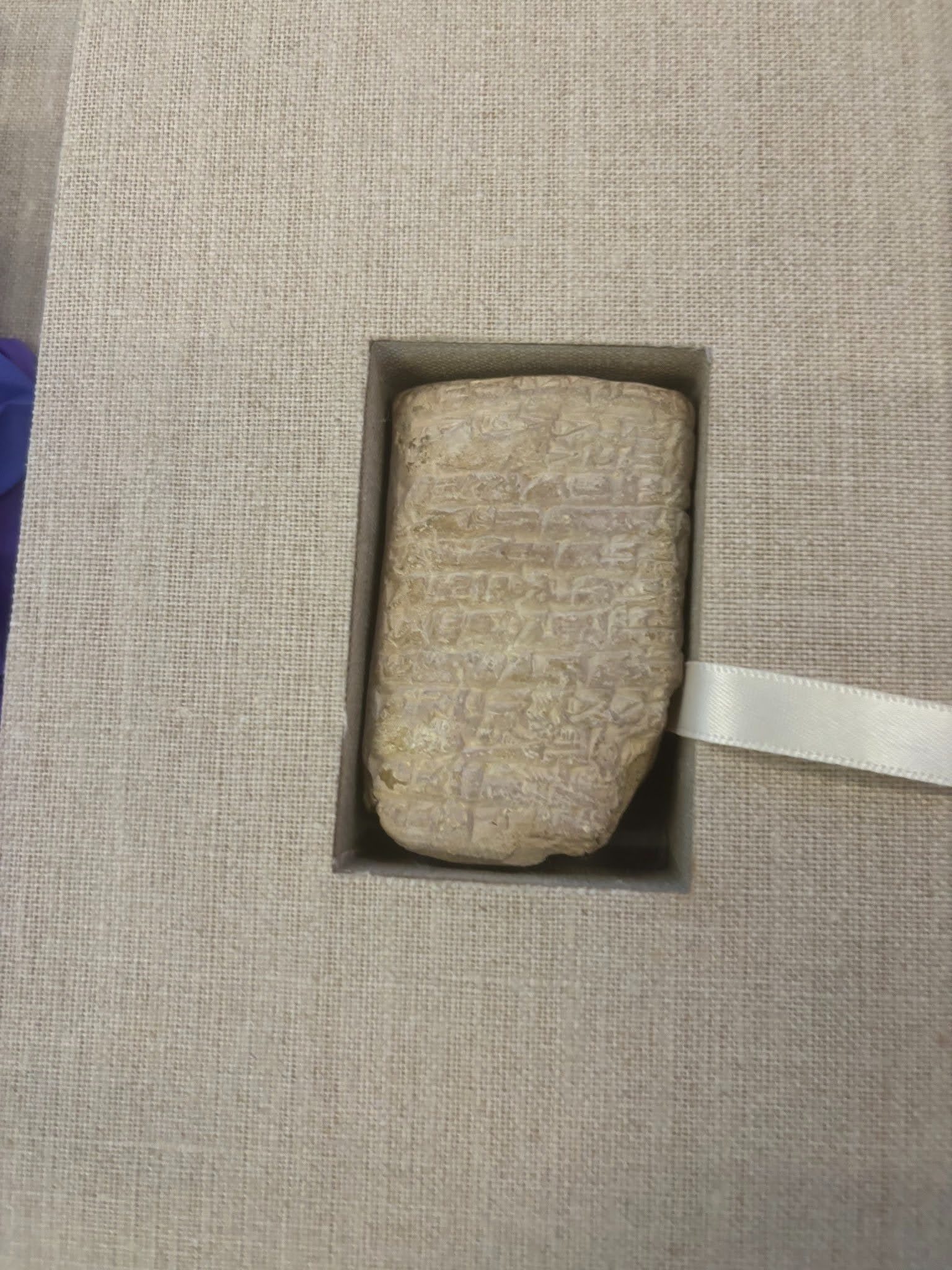
Cuneiform is regarded as the earliest known writing system. These words are written into clay and then baked into a sturdy, but fragile tablet. I was also really surprised to learn that cuneiform was used to write several languages. I had the pleasure to work with When we got to work, I was filled with excitement, but also some anxiety about the unknowns. Anne Peale, a librarian that works closely with the college’s special collections. She taught me that this particular cuneiform tablet was (insert interview details here). She plans to use the 3D printed tablet for educational purposes, because the characters in the tablet are very legible and hold information about a person’s taxes. Not only would 3D printing the cuneiform tablet allow several iterations of it to be used outside of the special collections library, it also allows us to make the tablet bigger, which makes the writing a lot easier to read. I was really excited about all of this, and it honestly made me want to learn how to read this type of cuneiform!

When we got to work, I was honestly really nervous. I didn’t know what to expect. This project required a way to record the tablet’s intricate wedges and patterns in a way that makes the writing completely legible, so we decided to use the unfamiliar Creality scanner to 3D scan the cuneiform, digitizing it into a file form. In my opinion, the Creality software was really intuitive. It was fairly easy to connect it to the computer, and to figure out how to correctly configure the scan. The most challenging part of this project was figuring out how to scan the tablet in a way that fully recorded the writing. We had some challenges with this, as the most detailed scanning mode included stickers that told the scanner its location, and since we couldn’t place the stickers on the cuneiform, we had to place them in its perimeter, something that became really hard to deal with when we began to turn the scanner sideways to get the sides of the tablet, since it could no longer recognize the stickers due to the angle change. Another challenge we had was that the tablet was really hard to place in a balanced way that didn’t topple over, so we ended up putting a small weighted cushion to hold it up.


Since we couldn’t place the tablet in a way that was possible for us to capture all four sides in one scan, we had to do a scan for each of all four sides. Each side of the tablet took about twenty minutes to complete, and the Creality scanner is really heavy! Anne and I had to take turns scanning, and we were both so sore! Creality records 3D items by scanning each and every point on the item, and this tablet was so intricate that it had over a million points for each side! The more we scanned, the fewer points that were recorded, so we had to go around the item a lot slower and with a lot more complex angles to make sure we recorded every character.

After two hours, all sides were scanned. Now, the only thing that was left was to find a way to merge the different scans into the composite model of the tablet. Although the Creality software comes with a scan merging option, this did not work on our scans, so blender was used to merge it.

After a month, the 3D scanned cuneiform was ready! It was a lot bigger than the tablet, and a lot less fragile, and best of all, we now had a file that could be used for printing as many of these tablets as we want! I was really excited because it was also my first time getting to see a 3D scanned object up close, as well as hold it.

One side of the tablet is clearer than the other, so we are going to reprint the file as a resin print, because the material may help to raise the clarity of the 3D print. 

Working on this project was a true journey of growth for me. The complexity of 3D scanning and the delicate nature of the cuneiform tablet made every step a learning experience. There were moments when I felt challenged, uncertain about the technical aspects or the best way to handle the fragile tablet. But with each hurdle, I gained more confidence, honed my problem-solving skills, and improved my ability to think creatively under pressure. I have always been really interested in languages, and this project sparked an interest in the digital humanities and language preservation.The potential of 3D scanning in the field of digital humanities is endless. From preserving endangered artifacts to making them accessible to scholars and students around the globe, this technology ensures that history is no longer bound by geography or fragility. I couldn’t help but think, what other treasures could we preserve this way?

Studying Savannah Sparrows on Kent Island

The Williams lab studies Savannah sparrows (Passerculus sandwichensis), small migratory songbirds that live in grassy fields across North America (Cornell Lab). Savannah sparrows have been the subject of a long term study at Bowdoin College’s field research station on Kent Island in New Brunswick, Canada. 

The Kent Island research station. Cabins and the main building are photographed from the field designated for Savannah sparrow, herring gull (Larus argentatus), and tree swallow (Tachycineta bicolor) research. (Photo credit: Dan Mennill)

The Kent Island research station. Cabins and the main building are photographed from the field designated for Savannah sparrow, herring gull (Larus argentatus), and tree swallow (Tachycineta bicolor) research. (Photo credit: Dan Mennill)

The Kent Island research station. Cabins and the main building are photographed from the field designated for Savannah sparrow, herring gull (Larus argentatus), and tree swallow (Tachycineta bicolor) research. 

Savannah sparrows have been recorded on Kent Island since the 1960s and their songs have been recorded intensively since 1980 (Williams et al., 2018). Clara Dixon, who thoroughly recorded songs in 1980 and 1982, inspired a continued in-depth study of Savannah sparrows to this day because their songs are an excellent model for studying cultural evolution, the socially learned traits of populations change, and the bird song learning has parallels with the development of human speech (Williams et al., 2022). Male Savannah sparrows learn components of their songs from various tutors, including their biological father, social father, and both hatching and breeding-year neighbors. They then use these songs to attract mates and defend their territories.

Savannah sparrow on Kent Island. A key characteristic to help identify these birds are their distinctive yellow plumage above the eye, as shown in the photo. (Photo credit: Dan Mennill).

Savannah sparrow on Kent Island. A key characteristic to help identify these birds are their distinctive yellow plumage above the eye, as shown in the photo. (Photo credit: Dan Mennill).

Professor Heather Williams first went to Kent Island in 1973, her first year of college. She has maintained her connection to the island, and realized the potential to contribute to the Savannah sparrow research by studying a local population in Williamstown since 2005. Birds are systematically color-banded—given a unique three band color combination on their legs so that they can be identified with binoculars—and their songs are recorded. In addition to analyzing songs, observing birds’ responses to variations in note count and spacing in songs is valuable for understanding which factors drive changes in song traits over time. To study birds’ reactions, our lab conducts playback experiments, which entail placing a speaker in the middle of a bird’s territory, playing stimuli of songs with either variable note spacing or note type, and recording a bird’s response. 

Example song from N.YR.

Example song from N.YR.

Birds may sing an additional ‘chuck’ note in either an earlier or later interval, variable spacing between x notes, and other soft notes that fall between the introductory notes. Last summer, we investigated what drives the changes in the occurrence and number of chuck notes in songs, and how the spacing of x and other notes may influence a bird’s reproductive success.

Henry Alexander '27 and Prof. Heather Williams in the field on Grand Manan, New Brunswick, Canada. Both Williams and Alexander carry microphones used to record bird songs. (Photo credit: Hannah Cumming)

Henry Alexander ‘27 and Prof. Heather Williams in the field on Grand Manan, New Brunswick, Canada. Both Williams and Alexander carry microphones used to record bird songs. (Photo credit: Hannah Cumming)

Birds typically seek out the source of the song in a playback study. Placing a fake bird near a hidden speaker can enhance a playback because the bird directs its behavior towards the specific target. Taxidermy Savannah sparrows have been used in such experiments, but as Professor Williams warned us throughout the summer, they do not last long. The real birds aggressively attack and eventually destroy that type of model. 

We asked the Makerspace to 3D print a durable bird that we could repeatedly use in these playback experiments. The students brought a free 3D model of a Song Sparrow to Alice Sore ’27, a Makerspace student worker, since it was similar in appearance to the Savannah Sparrows we study. Using Blender, Alice modified the model by removing the legs, which would have been too fragile to print and nearly impossible for the bird to balance on. She replaced them with a simple base that could be hidden among leaves or grass in the field. After an initial failed print, Alice successfully produced two near-perfect models, which were then handed over to our lab for painting. A member of our lab, Hannah Cumming ’28, who is a prospective Biology and Studio Art double major, painted the models to match a Savannah Sparrow’s typical plumage. A member of our lab, Hannah Cumming, who is a prospective Biology and Studio Art double major, then painted the model to match a Savannah sparrow’s typical plumage. We gave our two painted models an imaginary three-band color combination as their name, choosing B.OG (Black band on the left leg, Orange band over Green band on the right) for one, and GO.B (Green band over Orange band on the left leg, Black band on the right) for the other. The names were inspired by the amazing peatland environments on Kent Island. 

3D printed Savannah sparrow model created by the Makerspace. Our lab painted this bird to use in our field experiments.

3D printed Savannah sparrow model created by the Makerspace. Our lab painted this bird to use in our field experiments.

B.OB, a Williamstown bird, demonstrates our color-banding system. He has Black over a US Fish and Wildlife Service aluminum band on his left leg, and Orange over Black on his right leg (from the perspective of the bird). (Photo credit: Hannah Cumming)

B.OB, a Williamstown bird, demonstrates our color-banding system. He has Black over a US Fish and Wildlife Service aluminum band on his left leg, and Orange over Black on his right leg (from the perspective of the bird).  (Photo credit: Hannah Cumming)


B.OG, like some of his living and wild counterparts, migrated to Canada with our lab this summer to spend time on Kent Island. We used the model bird in playback experiments to test female responses to song variations. We placed B.OG in the mown path in the middle of a territory and hid the speaker nearby in taller grass. We then conducted the playback experiment to see whether females would respond aggressively to the songs or with intrigue. Approaches without aggression by a female would indicate that certain song traits are “sexier,” meaning the trait improves a male’s reproductive fitness. An aggressive approach would indicate that female choice is not driving changes in this song trait.

Kate Swann (‘26, left) and Hannah Cumming (‘28, right) excitedly preparing to conduct playback experiments on Kent Island. (Photo credit: Ian Kyle)

Kate Swann (‘26, left) and Hannah Cumming (‘28, right) excitedly preparing to conduct playback experiments on Kent Island. (Photo credit: Ian Kyle)

Due to the timing of our experiment, females were feeding their nestlings and did not respond to the songs or birds. Due to the timing of our experiment, when females were actively feeding their nestlings, they did not respond to the songs or birds. This highlighted for us the importance of seasonal timing in behavioral experiments.

We later used GO.B to test male responses in Williamstown. We placed the 3D printed model on a stake in the meadow and played songs to stimulate birds’ responses. Subjects flew around the model and treated it the same as live birds also sitting on posts: the subject approached the bird (whether live or 3D printed), and when it did not fly away, the subject returned to its original post.

This project also taught us how interdisciplinary collaboration between biology and technology can open up new methods for fieldwork. Our lab is excited to continue using the model birds in future research projects! In the future, we hope to expand the use of these models to test additional song traits and to explore how responses vary across seasons and populations.

B.OG perched on a Kent Island tree. We used this 3D printed and painted model to test female responses to song variations on Kent Island. (Photo credit: Heather Williams)

B.OG perched on a Kent Island tree. We used this 3D printed and painted model to test female responses to song variations on Kent Island. (Photo credit: Heather Williams)

B.OG analyzing his fellow birds’ songs, shown in the background. (Photo credit: Henry Alexander)

B.OG analyzing his fellow birds’ songs, shown in the background. (Photo credit: Hen

Kate Swann presented her research at the Summer Science Research Poster Session on August 8, 2025

Kate Swann presented her research at the Summer Science Research Poster Session on August 8, 2025

Works Cited

Cornell Lab or Ornithology. (2025). Savannah sparrow in All about birds. Cornell University. https://www.allaboutbirds.org/guide/Savannah_Sparrow/overview

Williams, H. et al. (2018). The buzz segment of Savannah sparrow songs is a population marker. Journal of Ornithology 160, 217-227.

Williams, H. et al. (2022). Cumulative cultural evolution and mechanisms for cultural selection in wild bird songs. Nature Communications 13, 4001.

3D Printed Topographical Maps of Louisiana, Bhutan, and the Berkshires!

Arriving in the Berkshires

I arrived at Williams as a freshman never having visited the campus. Despite the admissions webpage’s best efforts to warn me, I was still shocked by the beauty of the mountains. Various trips to Pittsfield and Albany, mountain day hikes, and other excursions took me outside the main campus, but I couldn’t keep track of all the mountains, and I had little to no sense of the Berkshire geography. I put off looking closely at a map to orient myself because I kept thinking this would all be so much easier if I could just run my fingers over a topographical map of the area.

Creating Meaningful Gifts

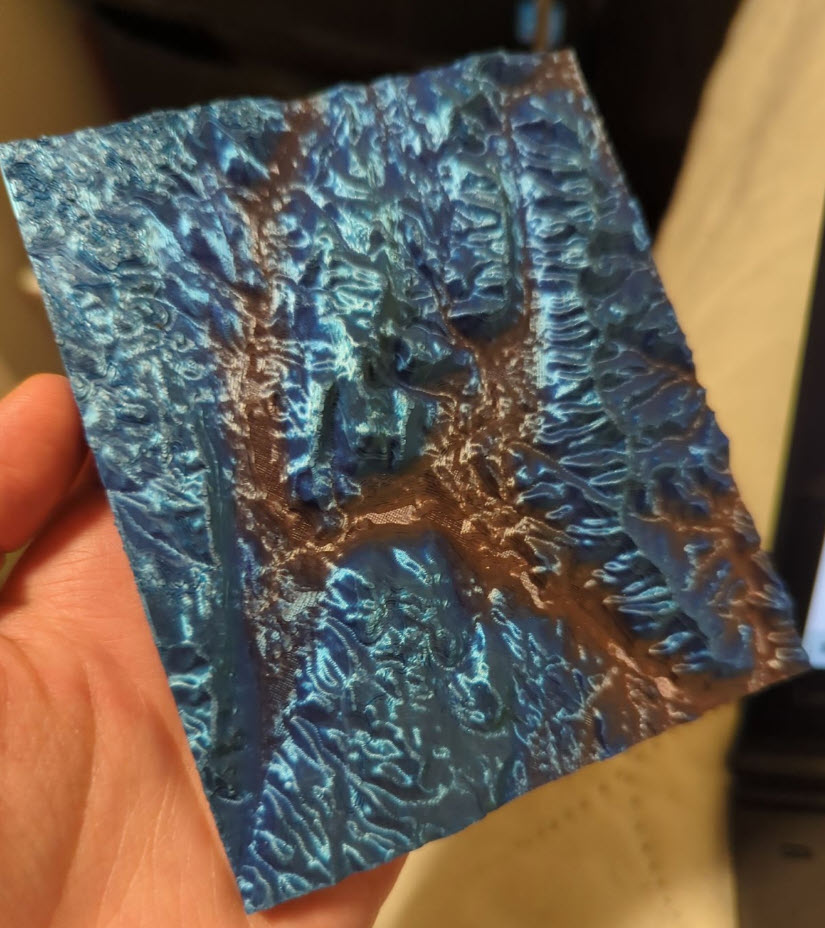
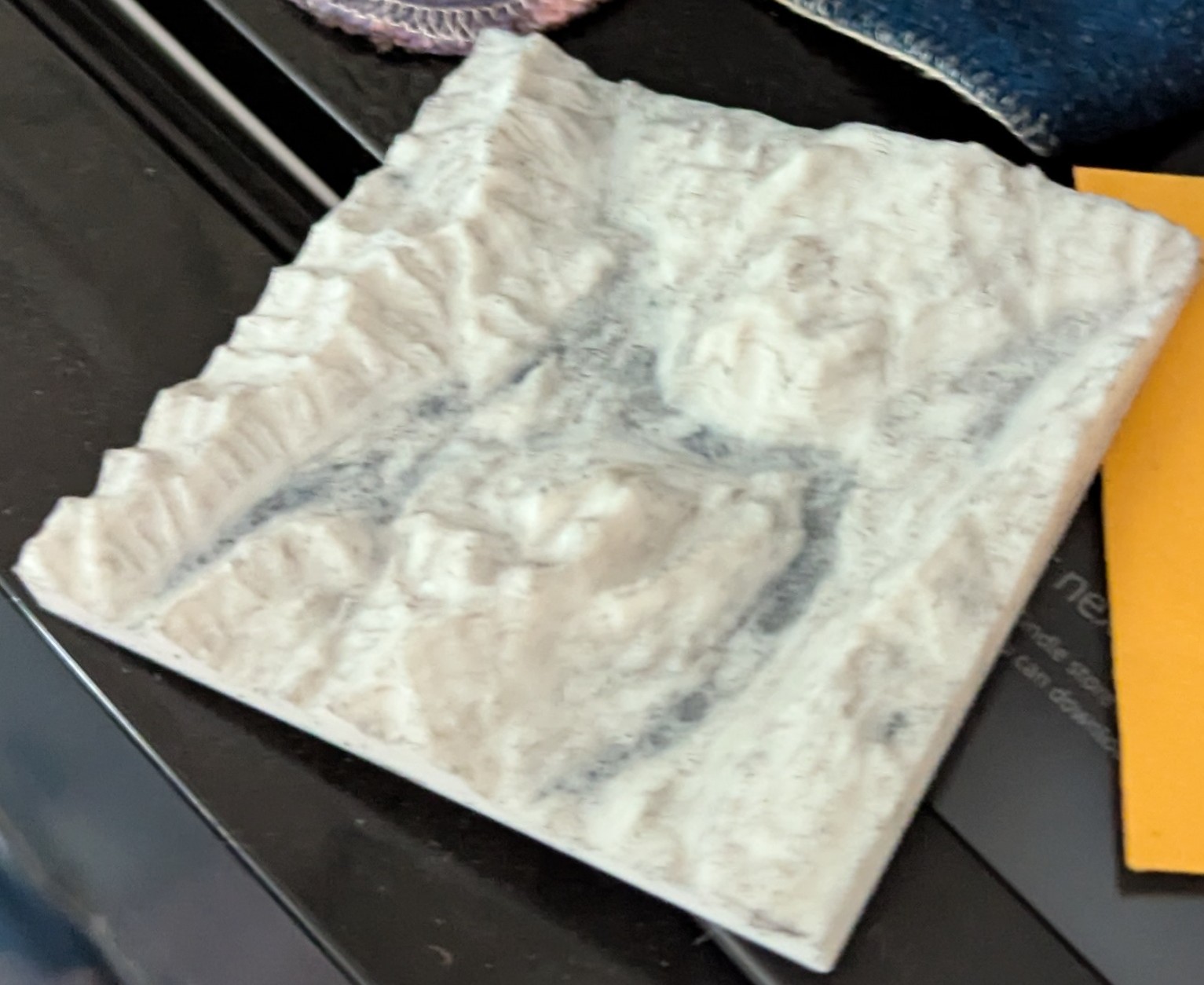
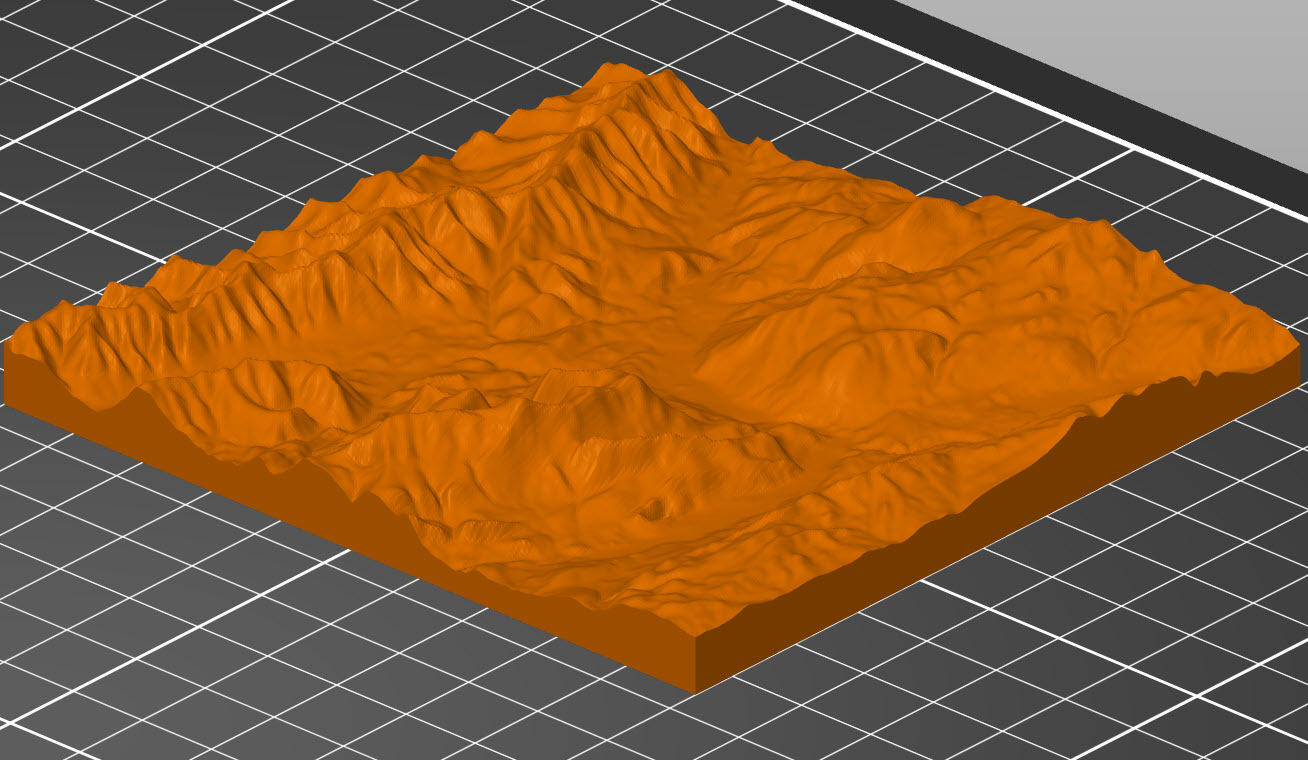
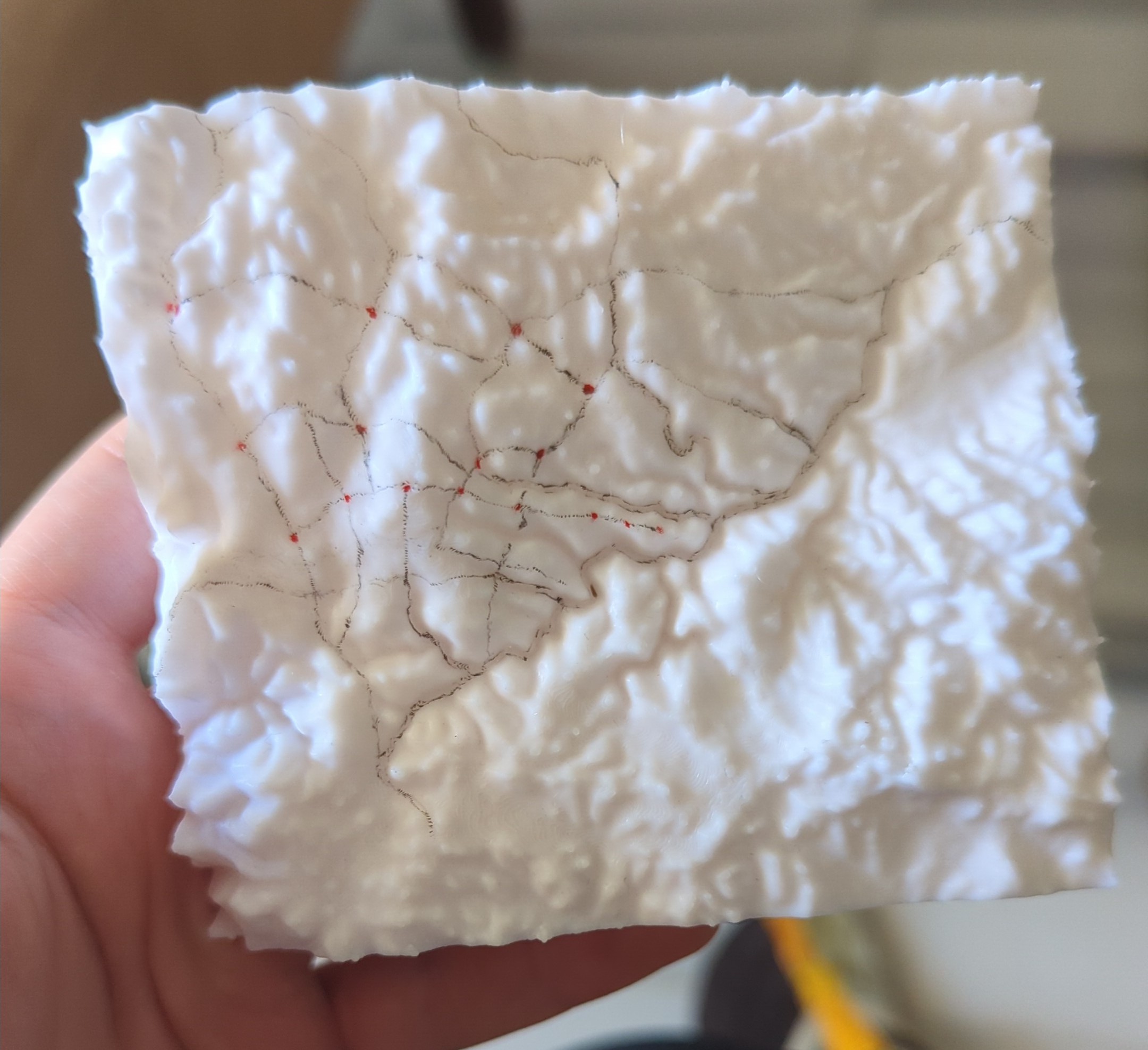
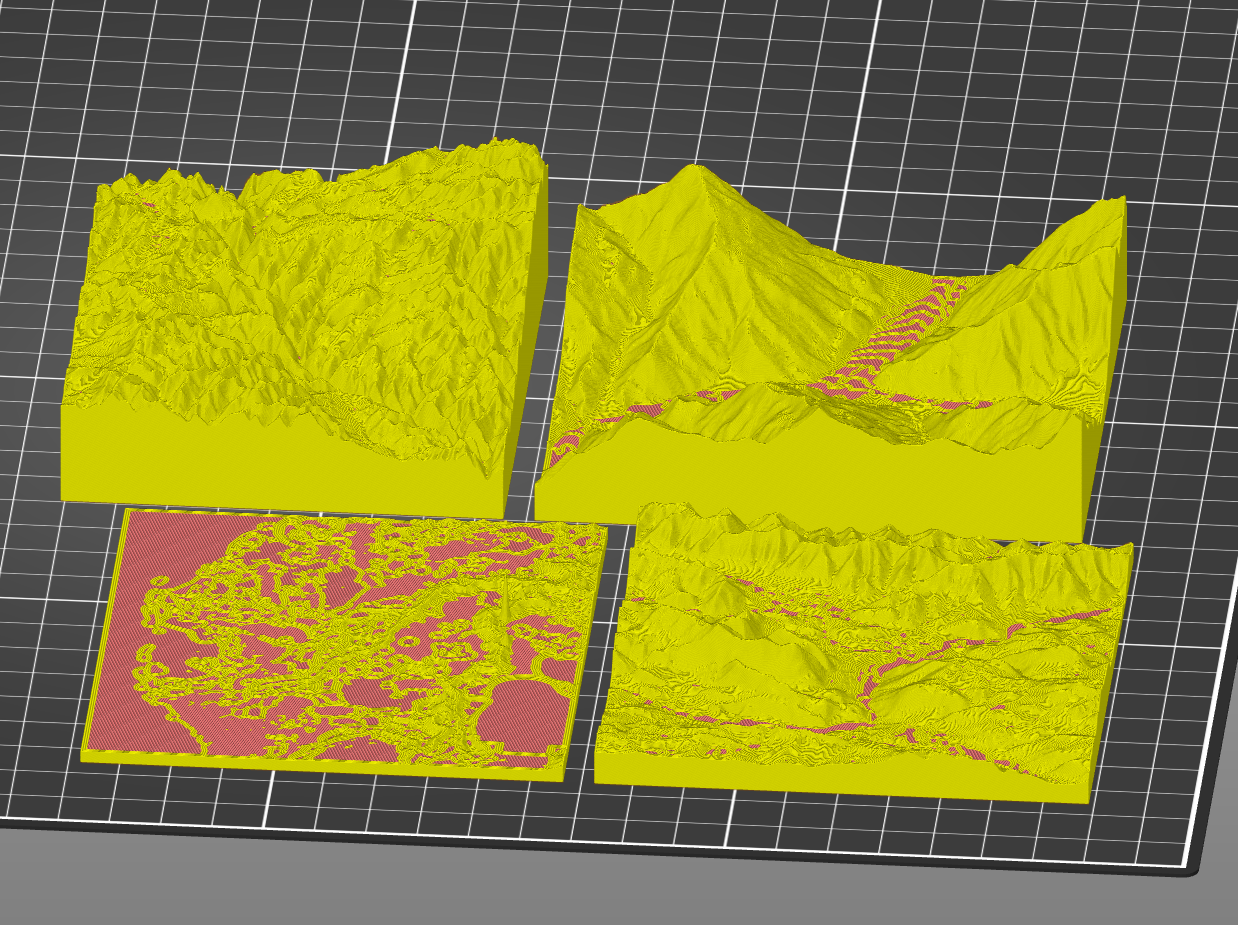
Last semester, I decided that a 3D printed map of Williams would make a nice gift for my friends who were graduating. And, with the help of the website https://touchterrain.geol.iastate.edu/ and David Keiser-Clark at the makerspace, I made it happen. It was actually pretty easy. Touchterrain let me trace out the area I wanted a map of and download the elevation data as an STL file, which I sent to David, who got it printed.

The Process

When I first came to the Makerspace with an STL file of the Williams College campus, my goal was simple: create something meaningful for my graduating friends. I wanted to give them a small, lasting reminder of the place where we had spent the past four years. That idea soon grew into a larger project, with maps of Williamstown for several friends and a special map of coastal Louisiana for someone whose thesis focused on flooding in that region.

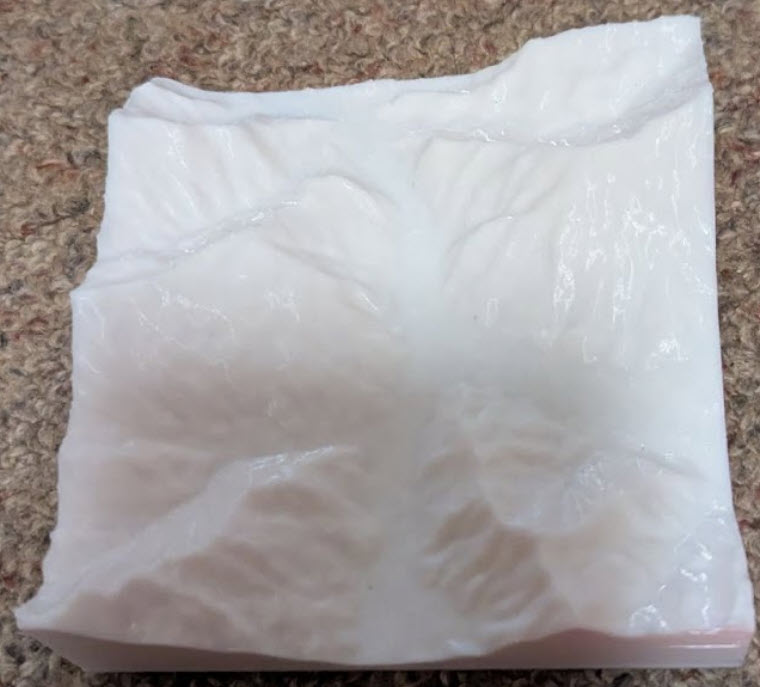
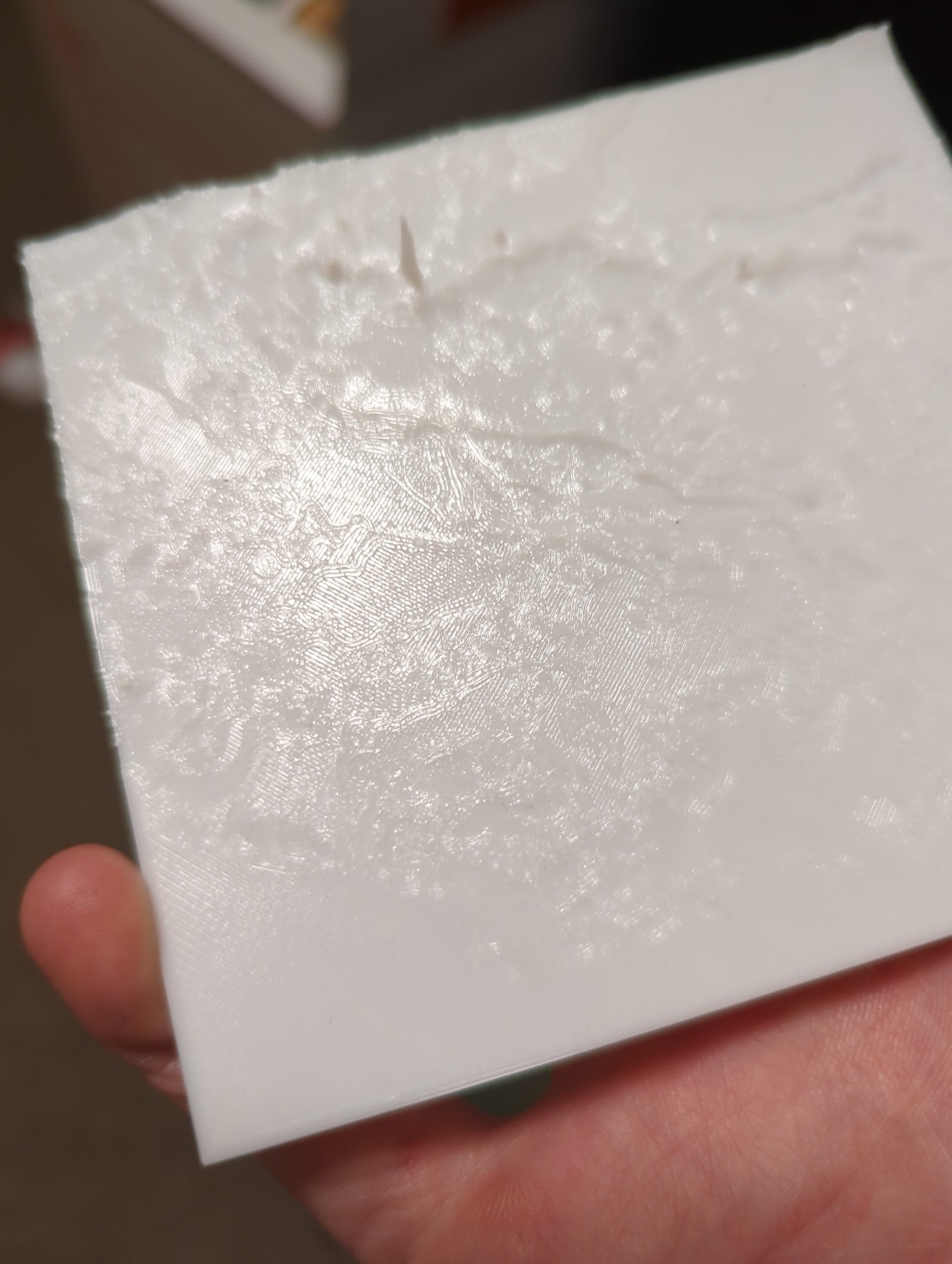
In addition to maps of Williamstown, we printed Paro, Bhutan for one of my friends who had studied abroad there and part of the Louisiana coastline (with the height scale exaggerated 500 times) for another friend who did his thesis on natural-technological disasters in that area and relied heavily on elevation maps.

The only map I kept for myself was a map of Amman, Jordan, where I studied abroad during my gap year. I returned there this summer thanks to funding from Williams’ Wohabe Fellowship, and one of the best parts of my trip was using my map to better understand the geography. By the end of my weeks there, I had a really solid grasp of the layout of the western side of the city and could place my memories from mysemester there in my mental understanding of the area.  

I’m really grateful to the Makerspace and David for helping me print these maps, and for anyone interested in 3D printing topographic maps at Williams, I’d recommend multi-colored filament so that the layers of the map change color with height and I’d warn that when painting a white print, some of the paint can find its way inside the plastic and get stuck there. (Also, for anyone looking for a good, online topographic map, I recently found the website https://en-gb.topographic-map.com/, which overlays color-coded elevation data onto Google Maps).

At the Makerspace, I experimented with materials and techniques. I tried different filament colors to see which would make the contours stand out best. For the Louisiana print, by exaggerating the elevation by 500 times, I brought out subtle topographical changes that are normally almost invisible. This choice created a striking visual effect and started conversations about how we interpret geographic data and how exaggeration can be used to reveal patterns that might otherwise go unnoticed.

Final Reflection

The final prints are more than just maps. They are pieces of memory, friendship, and curiosity. They invite touch and exploration. For me, they represent a way to connect academic learning, travel experiences, and personal relationships. For the friends who received them, they are a reminder of place and community at a moment of transition.