
Makerspace Meets Machine Shop: A Summer Science Program Collaboration

Summer Science Program 2024

Summer Science Program 2024

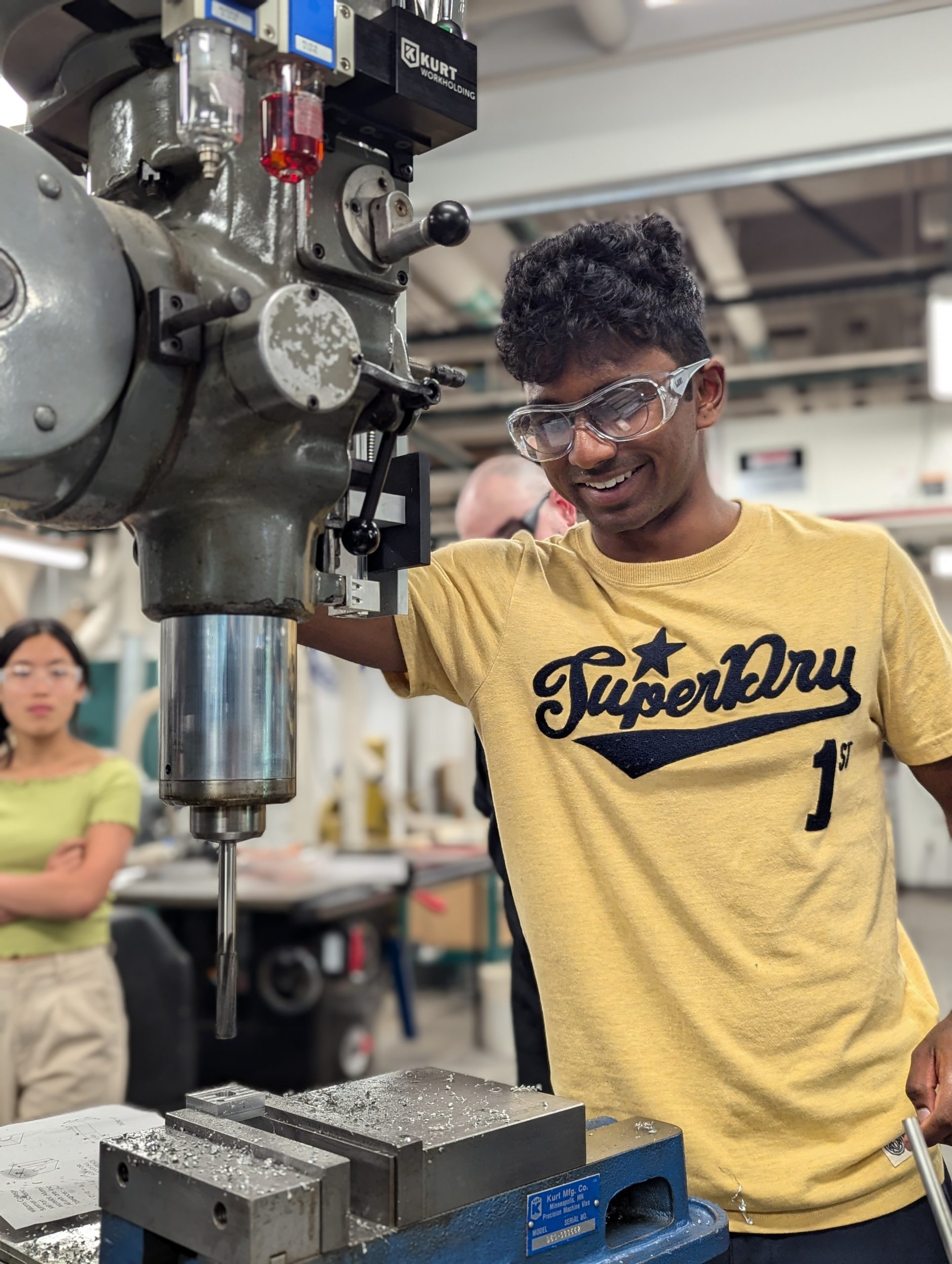
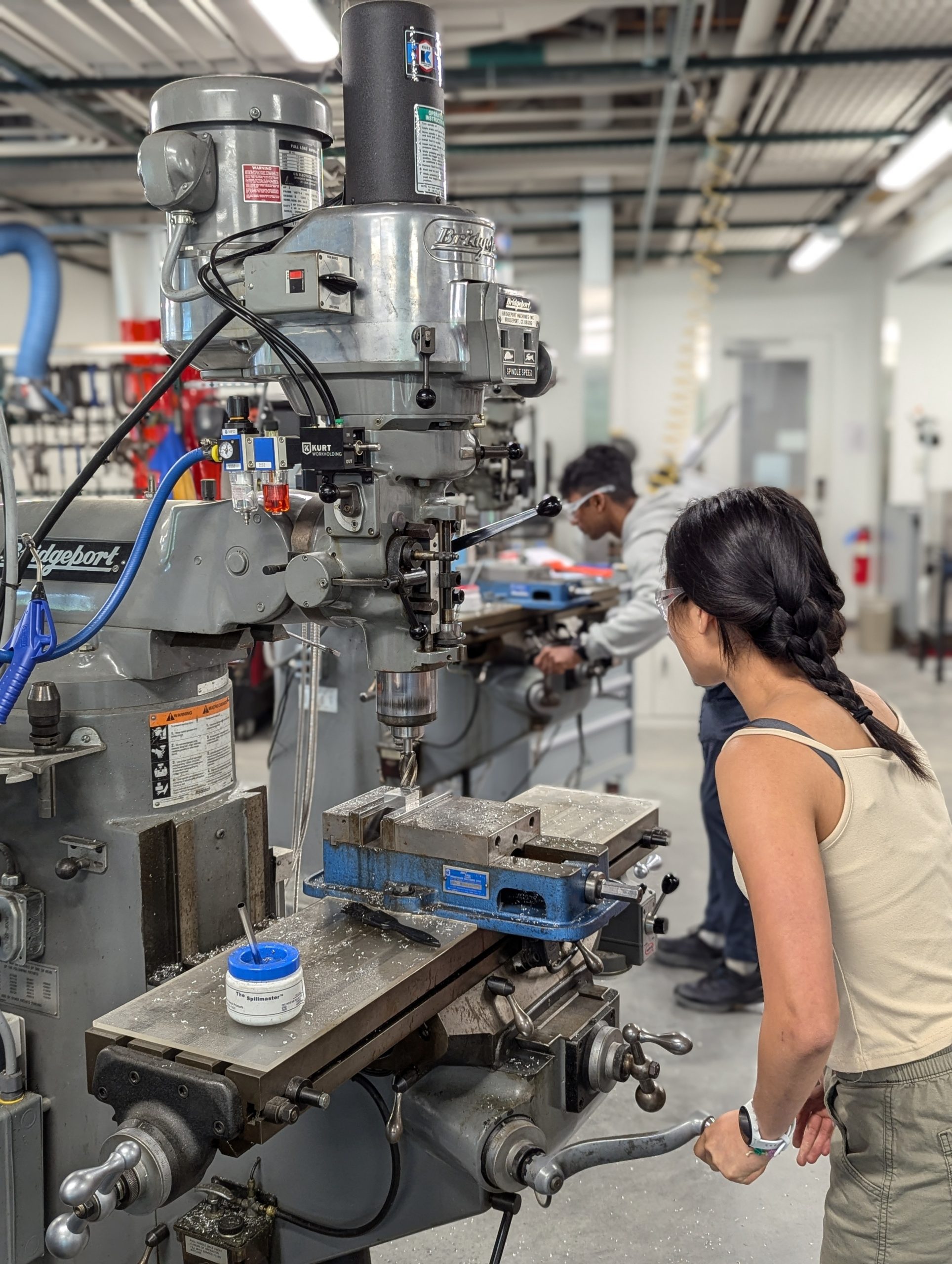
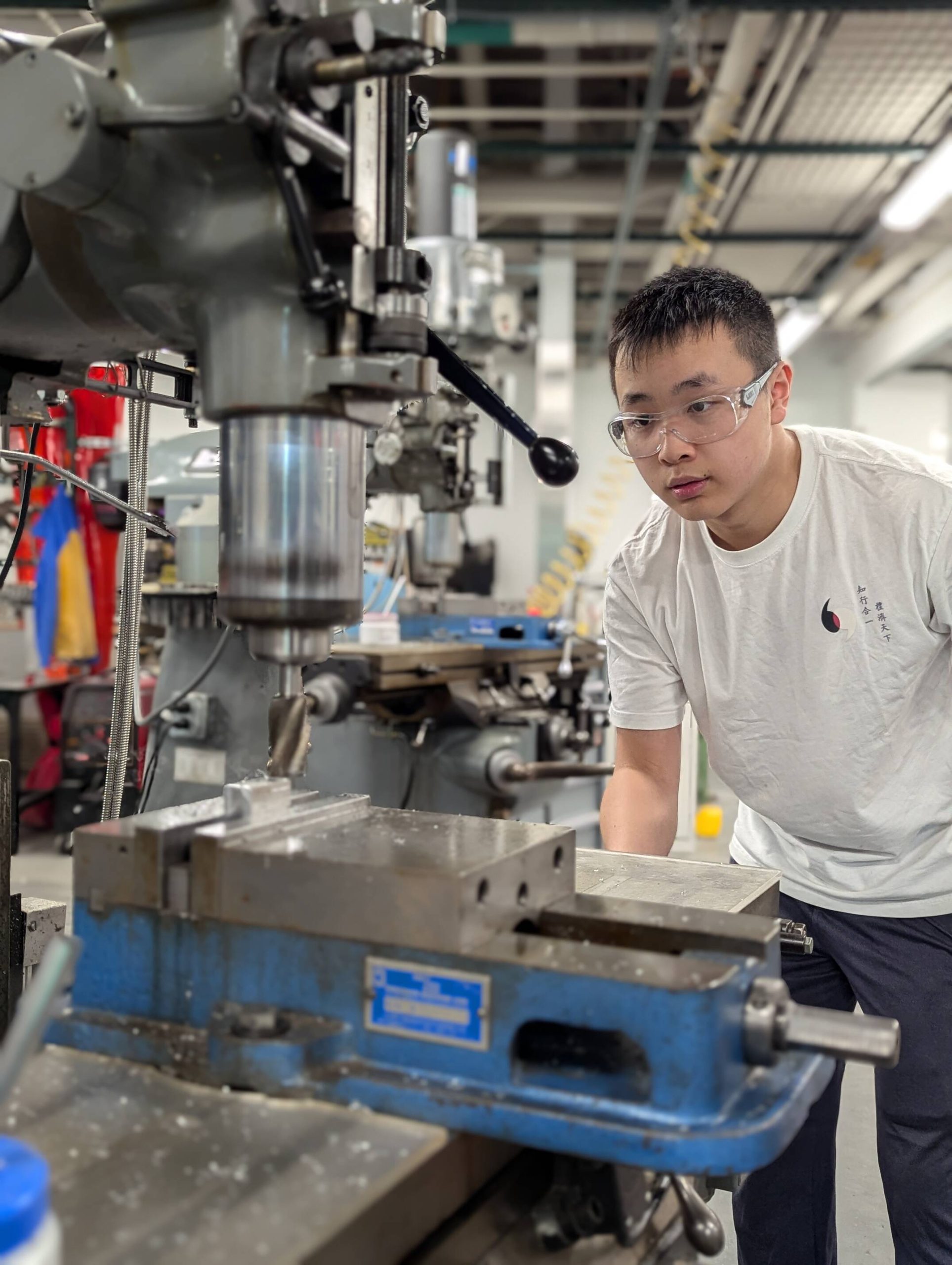
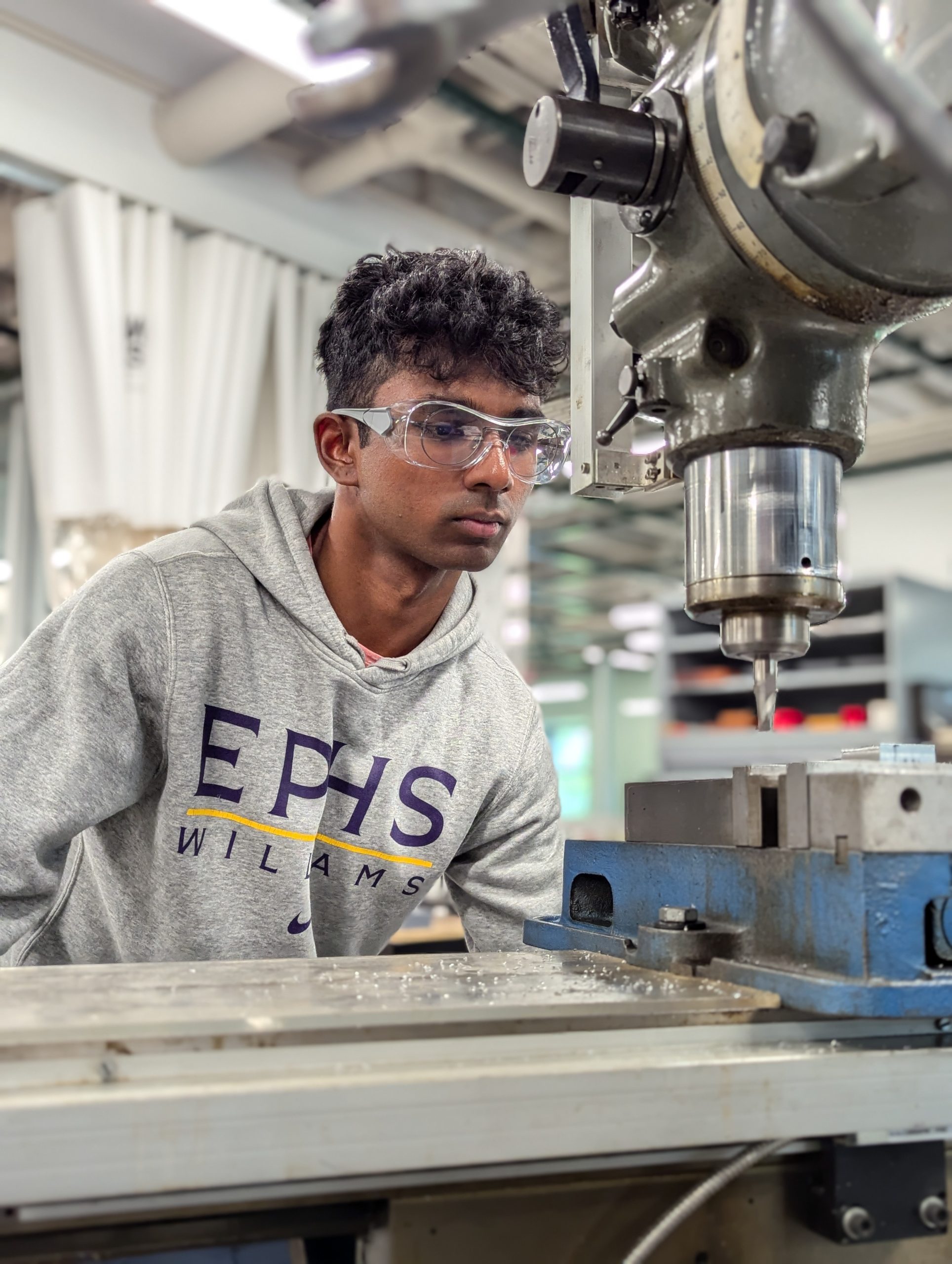
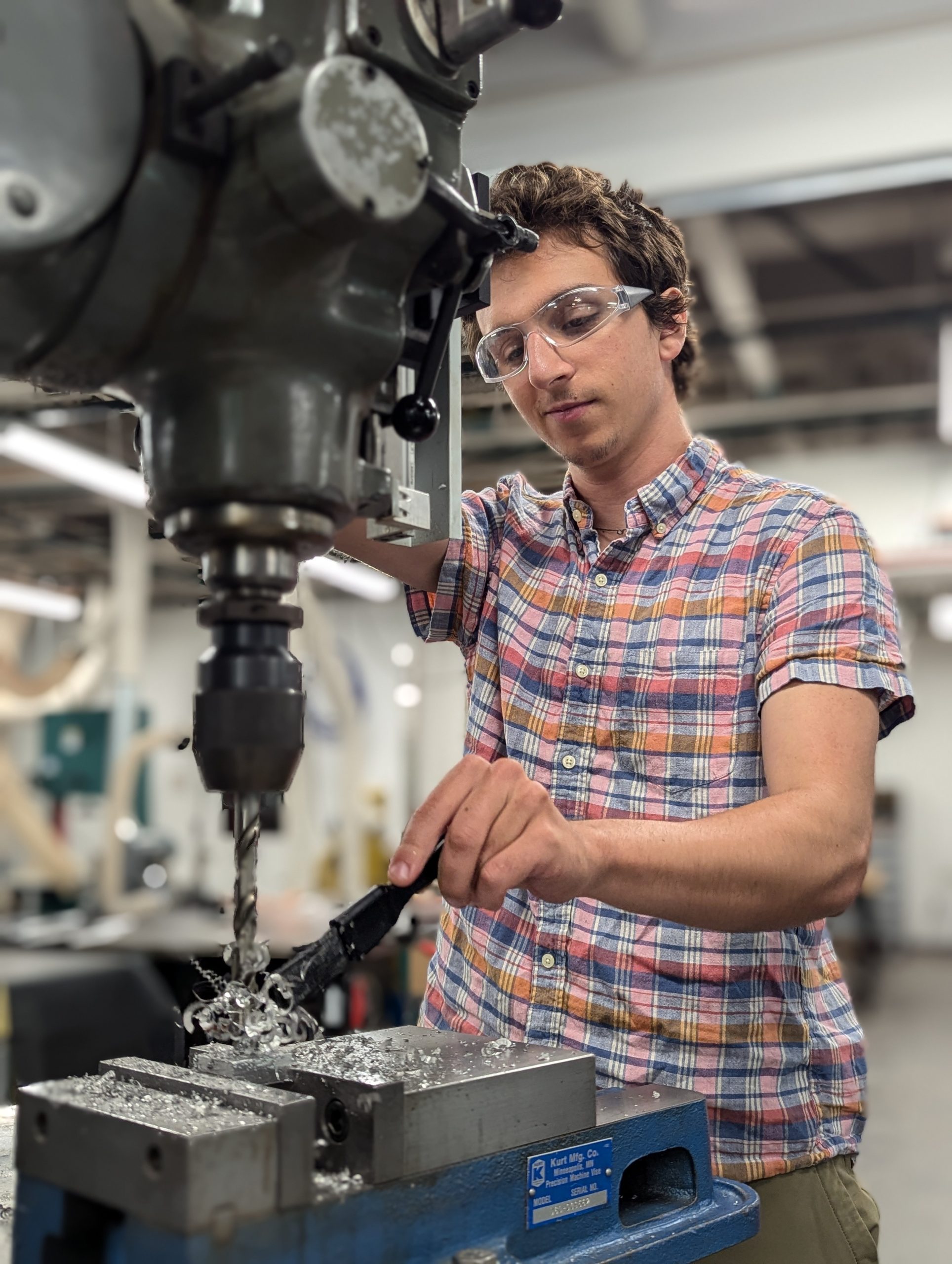
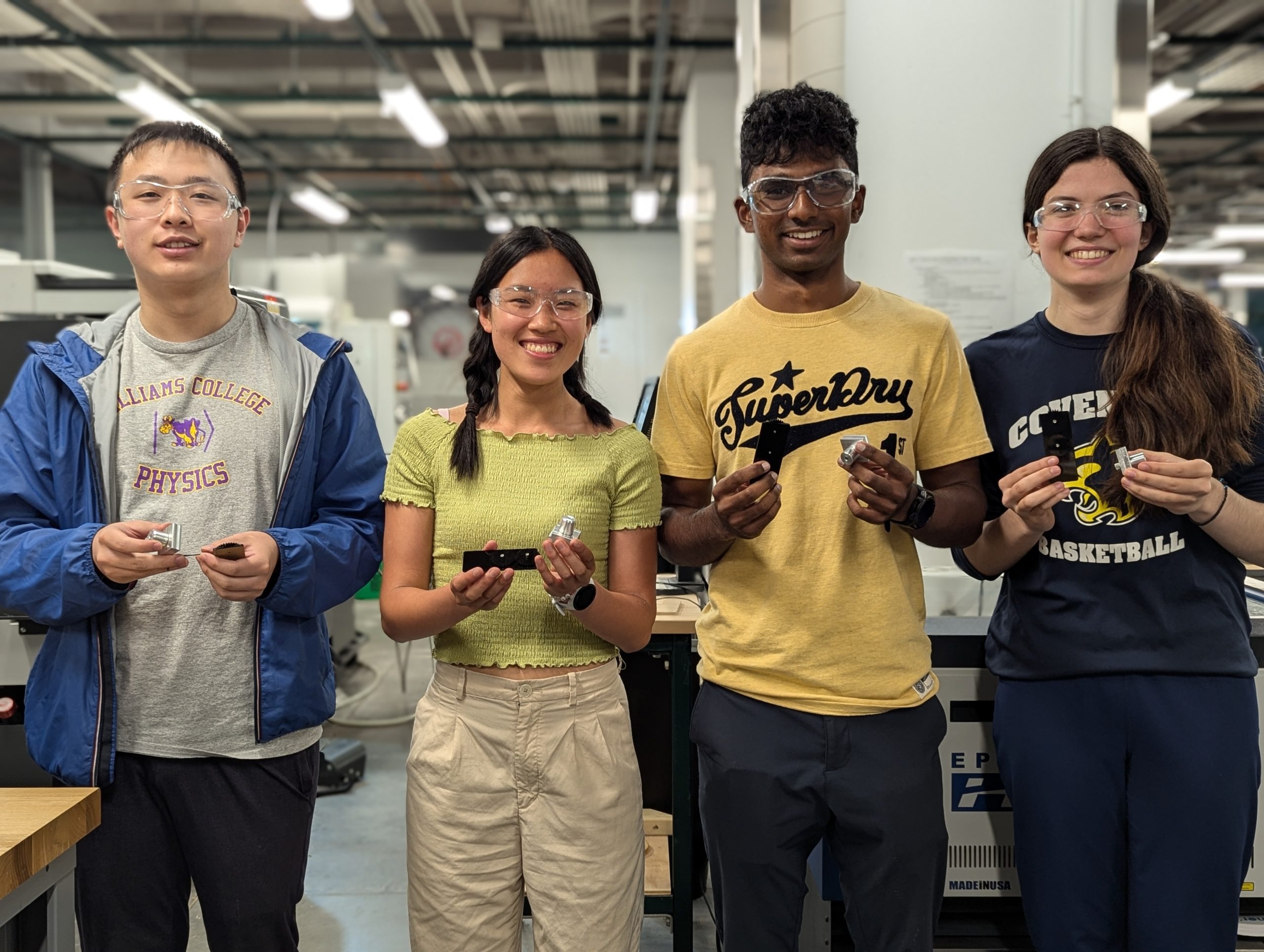
This June, the Williams College Makerspace and the Hopper Science Center’s Machine Shop teamed up to deliver hands-on training for the Summer Science Program (SSP), an intensive experience that welcomes an incoming cohort of about 20 students each year into STEM fields. When Senior Science Center Shop Engineer Jason Mativi found himself short-staffed for the week of June 17–21, Makerspace Manager David Keiser-Clark stepped in to co-teach the course, guiding students through the Bridgeport Mill and metal lathe across five full days of instruction. The partnership came together quickly and warmly: Science Center Director Amy Gehring reached out to Academic Technology Services, and with enthusiastic support from Director Tattiya Maruco and Barron Koralesky, the cross-unit collaboration was approved within hours — a nice reminder of how easily good partnerships can form here at Williams.
Summer Science Program 2024

Summer Science Program 2024

The collaboration turned out to be exactly the kind of teamwork SSP is built on. Jason later shared that he simply couldn’t have run the course without David’s help, praising him as a quick study who picked up the shop’s equipment with ease and helped every student move through the material safely and efficiently. The result was a smoother, more successful week for students and instructors alike — and the beginning of what both hope will be an ongoing partnership between the Makerspace and the Science Shop, with plans to keep building shared skills and expanding what students can learn from both spaces.
 

Summer Science Program 2024
Summer Science Program 2024
Summer Science Program 2024
Summer Science Program 2024
Summer Science Program 2024
Summer Science Program 2024

Summer Science Program 2024

Summer Science Program 2024


Introducing the Williams MakersWeb

Below is the Daily Message published on Tuesday, July 16th, 2024:

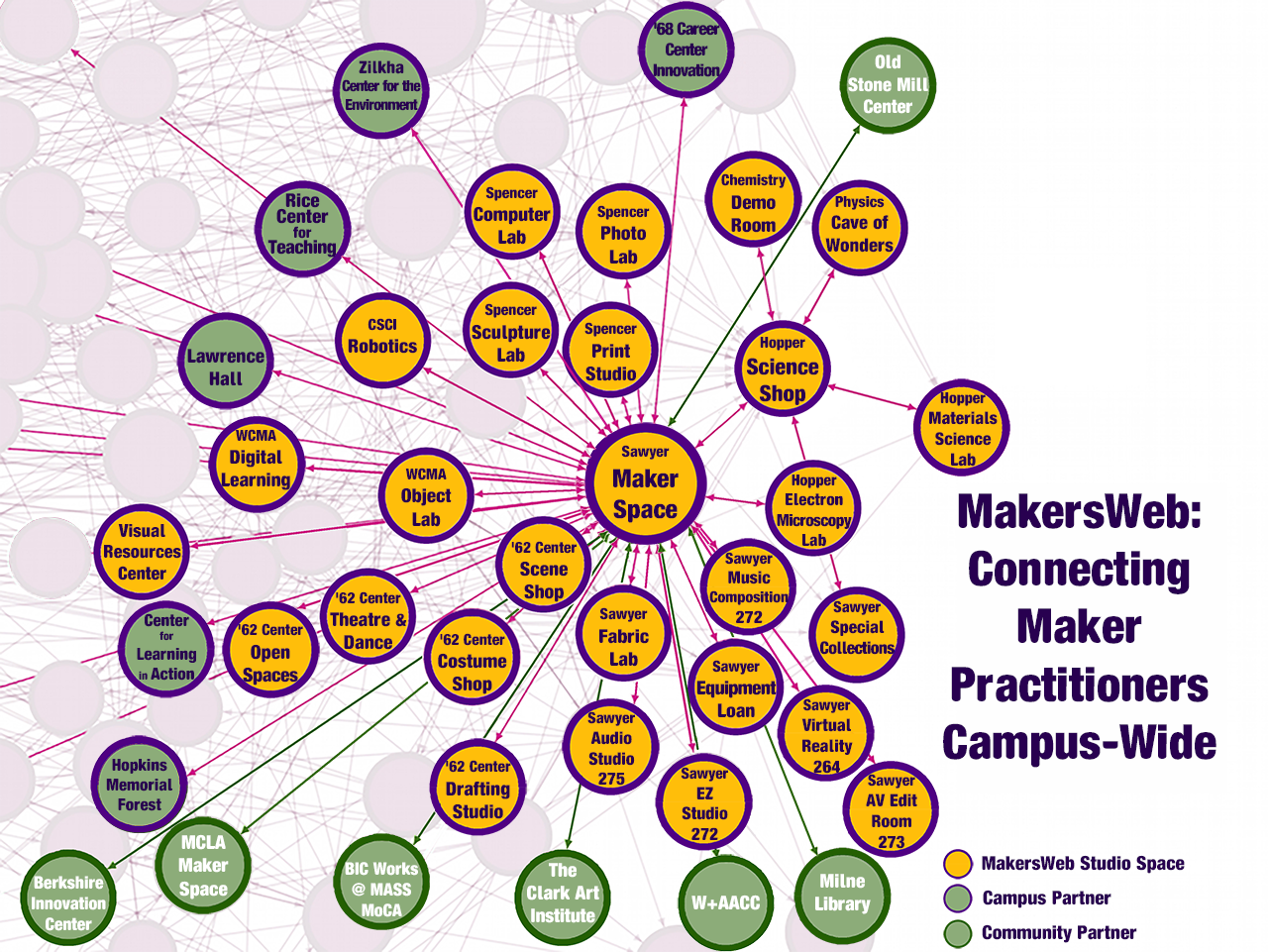
The Williams MakersWeb is a network of staff and faculty expert practitioners that represent the 27 maker spaces and studios distributed throughout campus. It also includes 6 campus and 9 community partners. The MakersWeb embraces interdisciplinary networking as a means to better serve the mission of the College.

The Williams MakersWeb is a network of staff and faculty expert practitioners that represent the 27 maker spaces and studios distributed throughout campus. It also includes 6 campus and 9 community partners. The MakersWeb embraces interdisciplinary networking as a means to better serve the mission of the College.

The Provost’s Office is excited to support the creation of the Williams MakersWeb, a staff-led initiative to improve opportunities for interdisciplinary collaboration between the 20+ creative work spaces on campus.

The MakersWeb offers a monthly forum for staff and faculty “maker” practitioners to share expertise, promote curricular projects and engaged scholarship, and to discuss improving access to making equipment, standardizing safety practices, and conserving resources through bulk purchasing and creating a hardgoods inventory. Meetings will be organized and facilitated by David Keiser-Clark (Makerspace) and Jason Mativi (Science Shop). 

The MakersWeb supports at least three strategic commitments (The Future of the Arts at WilliamsSustainability, and Learning Beyond the Classroom).

I hope that practitioners will participate and that the campus will support this work by dedicated individuals to support the curriculum.

More Information: MakersWeb

Turning Spreadsheets into Skylines: A Makerspace and Zilkha Center Collaboration

Nikhil Radosevich ‘27 created a data expression method for turning spreadsheets into 3D objects

Nikhil Radosevich ‘27 created a data expression method for turning spreadsheets into 3D objects

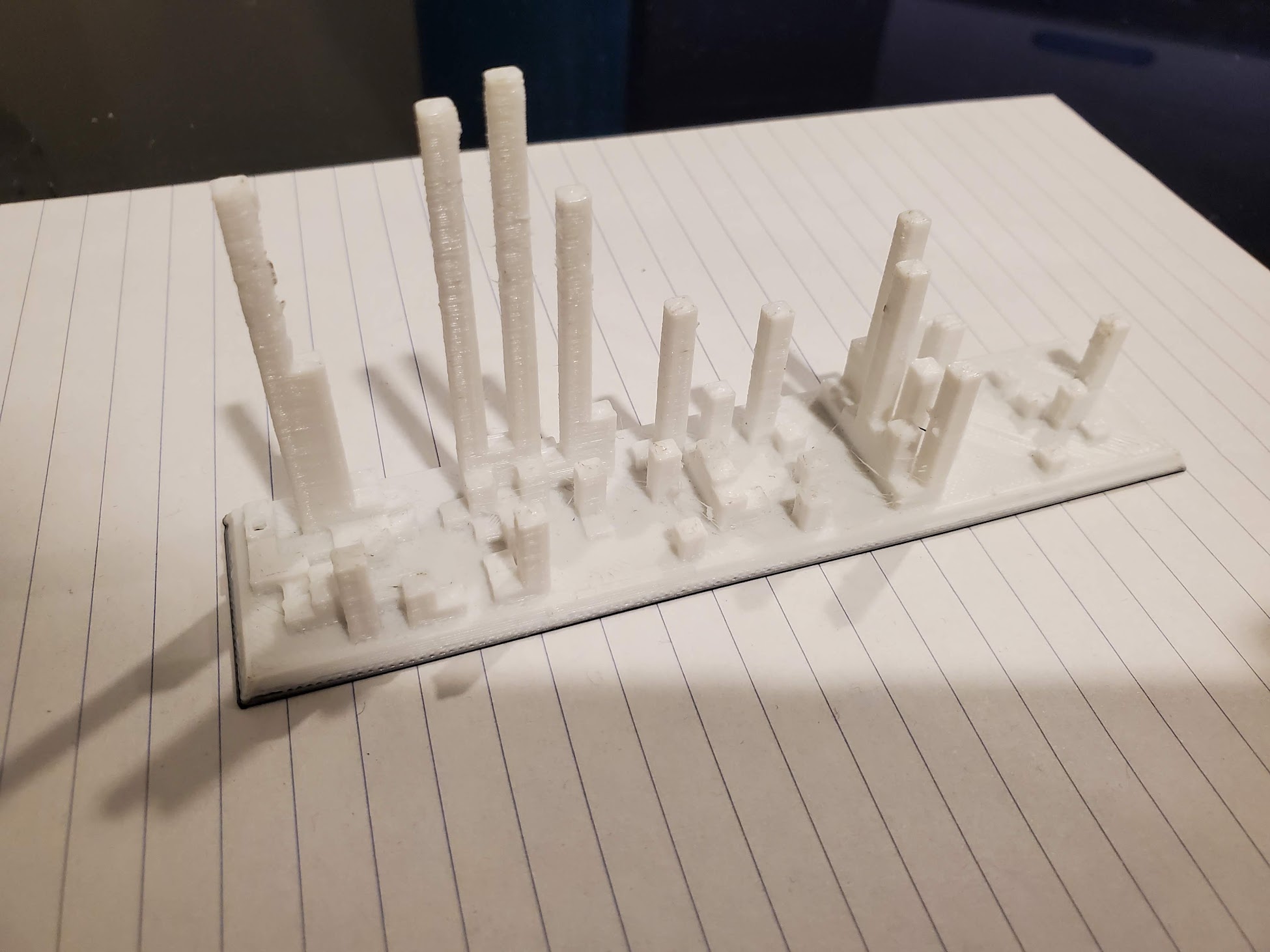
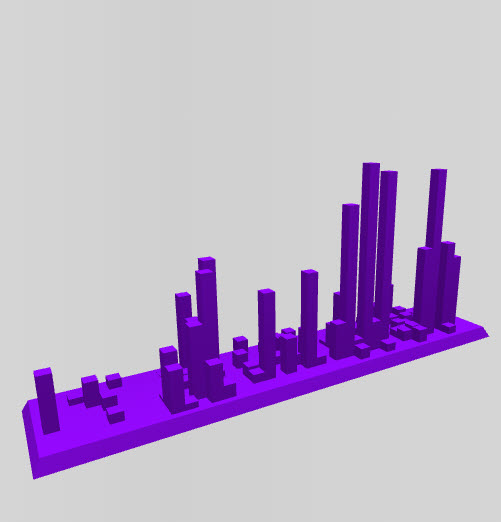
Some students see a spreadsheet and see rows and columns. Nikhil Radosevich ‘27 sees a skyline. Back in high school, Nikhil built a program that turns any spreadsheet directly into a 3D-printable file, and the print pictured above — also featured on the homepage of his site, solidifydata.com — is a perfect example of what that looks like in practice. This 3D printed object represents his own volunteer hours over the course of a year: the height of each column shows how many hours he logged, its position along the width marks the week of the year, and its depth marks the day of the week. Line it all up and a spreadsheet becomes a miniature city skyline you can hold, turn over, and study from every angle — busy weeks rising up like towers next to the quiet stretches in between. It’s a small, clever reminder that data doesn’t have to stay flat on a screen to be understood.

Nikhil Radosevich ‘27 created a data expression method for turning spreadsheets into 3D objects

Nikhil Radosevich ‘27 created a data expression method for turning spreadsheets into 3D objects

Now a student at Williams, Nikhil is applying that same creative instinct to campus sustainability data, and this summer he reached out to the Makerspace hoping to print physical visualizations that the Zilkha Center could share with staff and other stakeholders. Makerspace Program Manager David Keiser-Clark welcomed him back, connecting him with Divine Uwimana ’27 and Qi Wang ’26, who are staffing the Makerspace this summer and ready to help turn his files into finished prints, each taking less than three hours of machine time to produce. David also shared Nikhil’s work with colleagues across campus, including GIS expert Cory Campbell, who may find fresh ways to apply the same approach to spatial data. It’s a nice example of what can happen when a student’s independent project meets the right campus resources: a tool Nikhil built for himself in high school is now becoming a bridge between the Makerspace and the Zilkha Center’s efforts to make campus data something people can see, touch, and talk about.