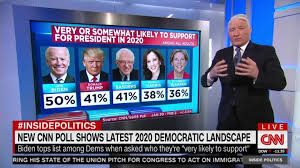
“Electability” & “Identity” as Election Terms

On Friday, 11/08, students came together at the FORUM to discuss the terms “electability” and “identity politics”—and their implications in politics today. Often, students discussed their ideas about these terms through the lens of the Democratic presidential primary, though candidates and political races from many decades were referenced. In short, participating students sought to define and discuss these terms, and how we, as current or future voters, ought to act on them in the future.

Throughout the course of our conversation, we unpacked the term “identity politics,” including identifiers most commonly referenced—race, gender, sexual orientation, among others. We then connected these concepts to the idea of “electability,” which seems to prompt voters to select the candidate they believe most people will also vote for. In a nation and world where political opinions are diverse and often contrasting, how do voters balance these two terms? How can we select a candidate whose identities represent many American people and who also can feasibly win an election? 

You can find the notes here.

How Bill Nye, Exxon, and others changed the Generational Climate Change Experience

The FORUM hosted a lively conversation William’s College Parent Weekend between students and parents about how different generations see climate change. The meeting opened with a clip from the little known show John Oliver by an un-noteworthy scientist by the name of Bill Nye announcing “the world’s on fucking fire.”

Jesting aside, Friday’s meeting hosted a thoughtful and provoking debate about how views and actions around climate change are connected to age, geographical location, economic class, and vocation. The primary question that arose was: How does an individual’s view of climate change vary on based on accessibility to scientific information? In turn, this led to noting how 21st century William’s students generally have access to much greater information on climate change than their parents did. 

Within the evening’s smaller breakout groups individuals who lived in different regions of the United States agreed that directly feeling the effects of climate change, such as fires in the west and  coastal changes, could cause party and socioeconomic divisions to retreat in the face of climate concerns. This sparked queries about how class identity, political identity, and certain types of work predispose individuals to oppose climate change. 

This led to asking how a global solution can understand the socio-economic complexities of climate change. How can government responsibility, corporate responsibility, and personal responsibility be encouraged without unduly impacting groups of color and low socio-economic standing as well as less advantaged countries? How does cognitive dissonance play a role in people choosing to dismiss climate change? 

We didn’t solve the looming crisis of climate change in our brief hour together, but we have a thoughtful dialogue about how each of us a voter, citizen, leader and wage-earner in America can help solve climate change. 

Clip: https://www.youtube.com/watch?v=htqQRcNYkeY


Election Methods: The College & Alternatives

At 7:30pm this Friday, we’ll be discussing the electoral college and thinking about alternatives. Our aim will be to figure out which methods are best for elections of different scales (Williams College, Williamstown, MA, and US) and to figure out how to effectively defend (and spread) the methods we favor.

Notes & Agenda.

Multi-Generational Discussion of Climate Change

We invite you and any visiting family to join us for a conversation about climate change on Friday at 7pm (sharp) in Griffin 4!

View the notes and agenda here.

We’ll focus on how we each view climate change and what we think it requires of us. You’ll get to engage in a mixed group of parents and peers as we tease out differences between different generational lenses.

We encourage you to tell any visiting family about this soon, especially if they are trying to plan for the weekend. It’ll be a unique opportunity for you to engage with the extended Williams community and for them to engage with the students who surround you.

Hello!

Welcome to our website! Here’s what you can look forward to:

  • Upcoming Forum events

Besides our regular weekly meetings, there are a number of exciting events in the works for this semester that you won’t want to miss.

  • Opinions, discussions, and fact sheets

Members and non-members alike are encouraged to send in your thoughts on political issues — and to engage with each other in the comments.

  • Meeting summaries and notes

If you missed a meeting but are desperate for a recap, we’ve got you.  We’ll be posting the full links to our workflowy.com notes, as well as abbreviated versions, on this website.

  • Event recaps

Want to make your FOMO even worse? (Or relive a great event that you did attend?) We’ve got you covered.