Class No. 4: Empire, Nation, and Nationalism
Class No. 6: The Peasantry: Isolation and Stagnation or Adaptation and Integration?
Class No. 8: Religion, Modernization, and Identity
Class No. 9: Refashioning Urban Russia
Class No. 13: The Bronze Horseman
Class No. 14: Avant Garde Reactions to 1905: Modernism
Class No. 2: Historical Understanding, Visual Sources, and Imperial Images
From The Romanov Family Album (photographs of the empress and her daughters):
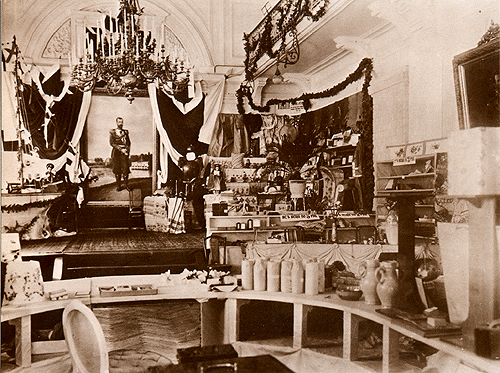
1. The Charity Bazaar: Prepared Room
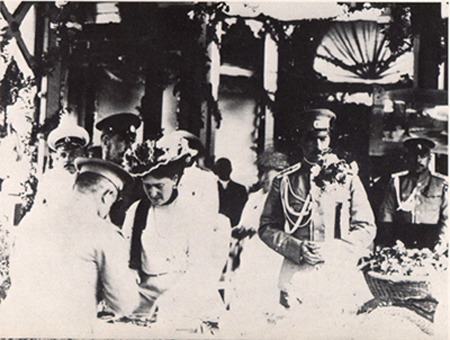
2. The Charity Bazaar: Empress Alexandra Selling Wares
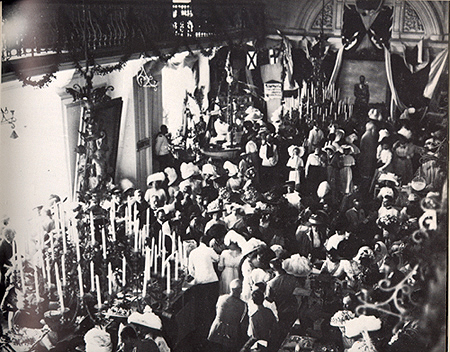
3. The Charity Bazaar: Crowded Room
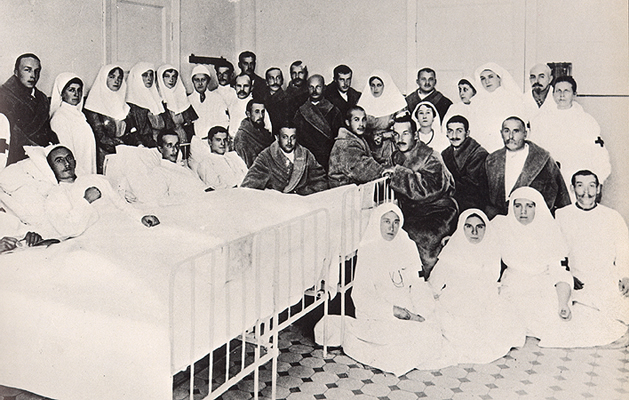
4. Empress Alexandra and Her Daughters Serving as Nurses in World War I
Images from Nicholas and Alexandra:
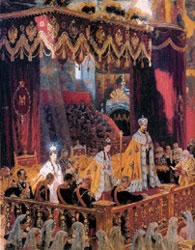
1. The Coronation of Nicholas II
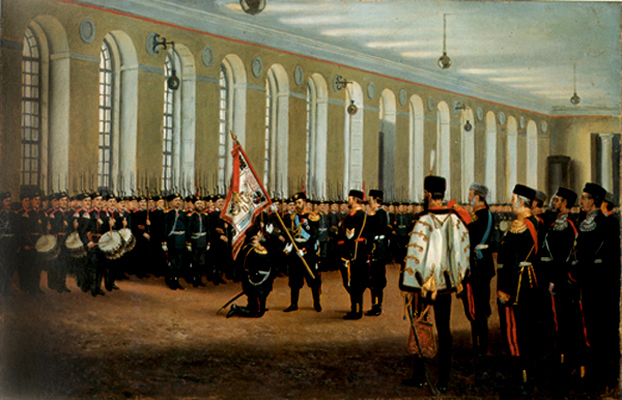
2. Emperor Nicholas II Presenting Regimental Colors to an Infantry Regiment
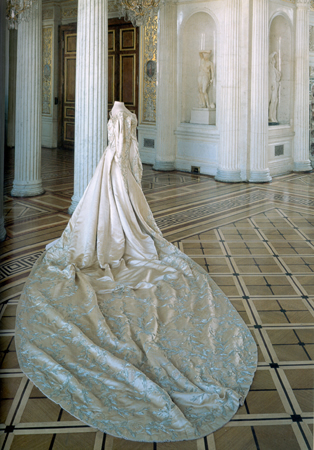
3. Court Dress of Empress Alexandra
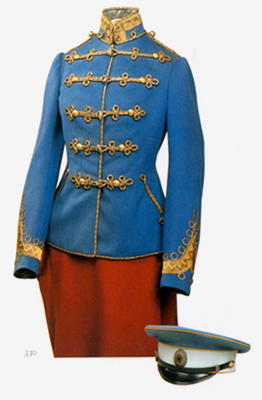
4. Commander-in-Chief Uniform of Grand Duchess Olga
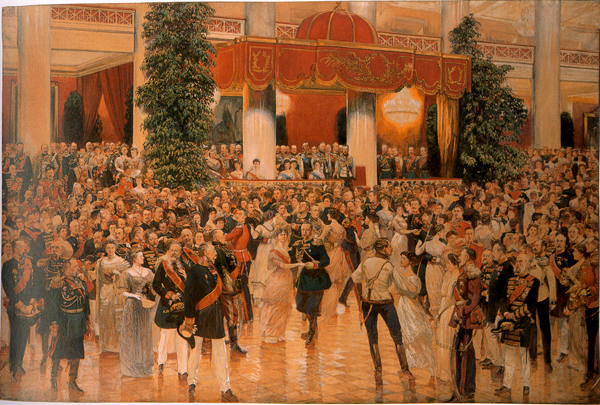
5. Nobles’ Ball in St. Petersburg
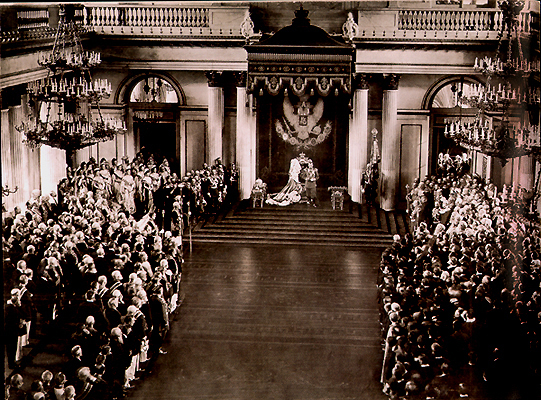
6. Emperor Nicholas II’s Speech Opening the First Duma
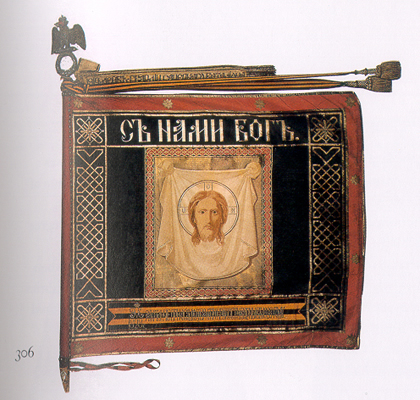
7. Military Banner (1)
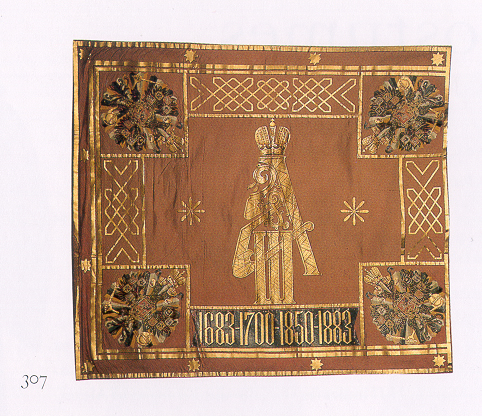
7. Military Banner (2)
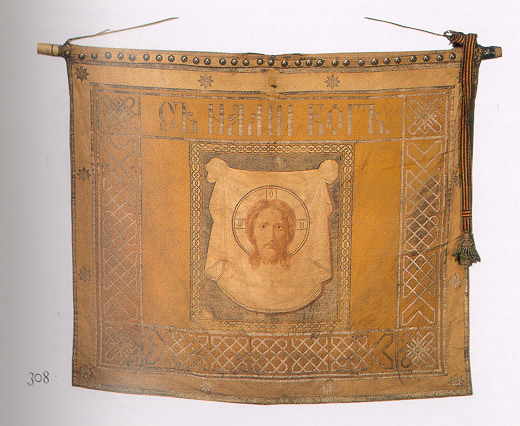
7. Military Banner (3)
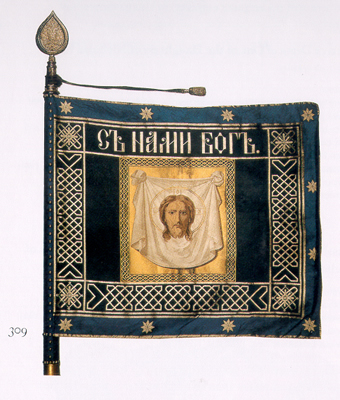
7. Military Banner (4)
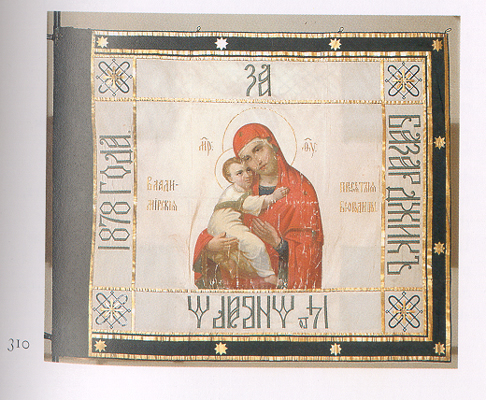
7. Military Banner (5)
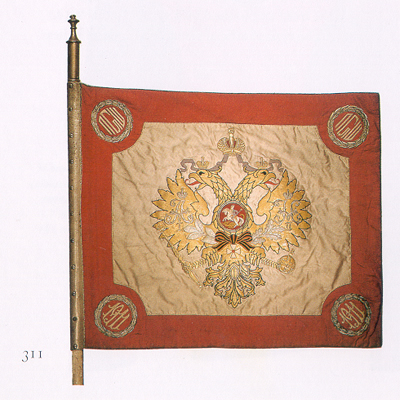
7. Military Banner (6)
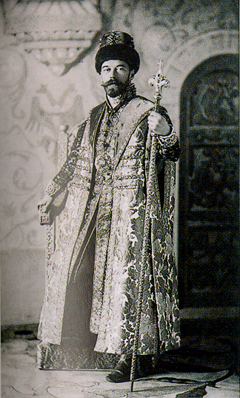
8. Nicholas, Alexandra, and Others Dressed in Costumes For a Ball, 1903 (1)
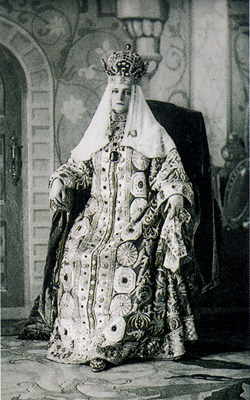
8. Nicholas, Alexandra, and Others Dressed in Costumes For a Ball, 1903 (2)
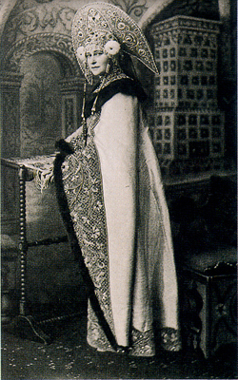
8. Nicholas, Alexandra, and Others Dressed in Costumes For a Ball, 1903 (3)
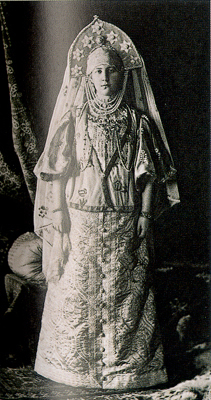
8. Nicholas, Alexandra, and Others Dressed in Costumes For a Ball, 1903 (4)
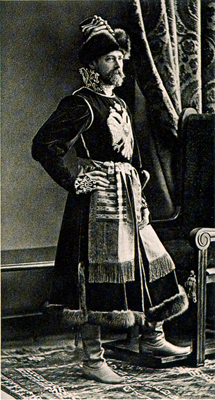
8. Nicholas, Alexandra, and Others Dressed in Costumes For a Ball, 1903 (5)
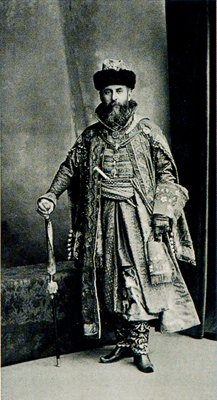
8. Nicholas, Alexandra, and Others Dressed in Costumes For a Ball, 1903 (6)
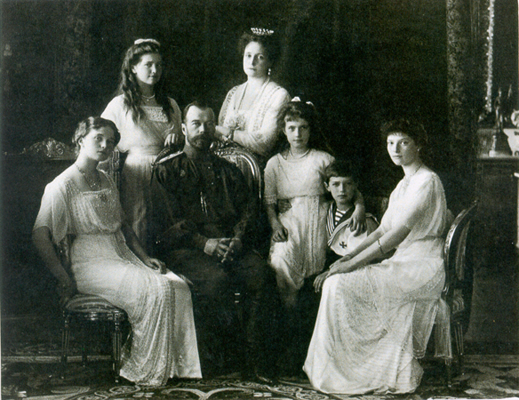
9. Emperor Nicholas II, Empress Alexandra, and Their Children
Faberge Egg:
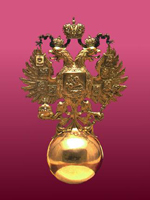
The Imperial Tercentenary Egg (1)
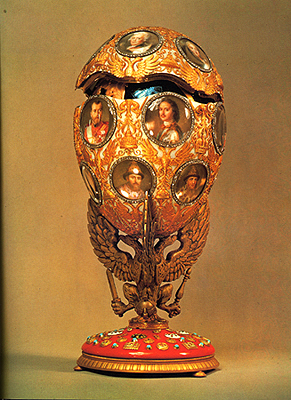
The Imperial Tercentenary Egg (2)
Class No. 4: Empire, Nation, and Nationalism
Maps
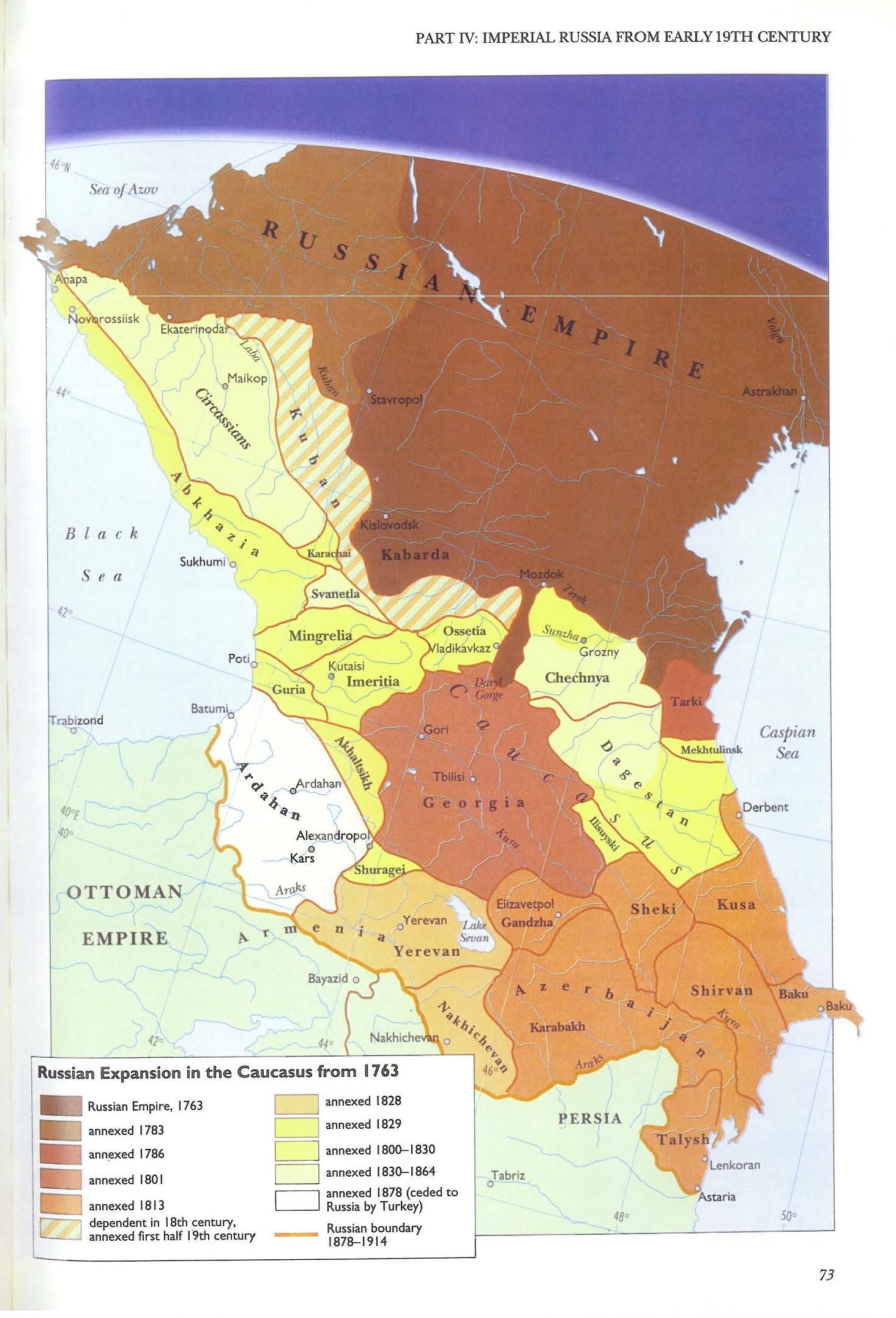
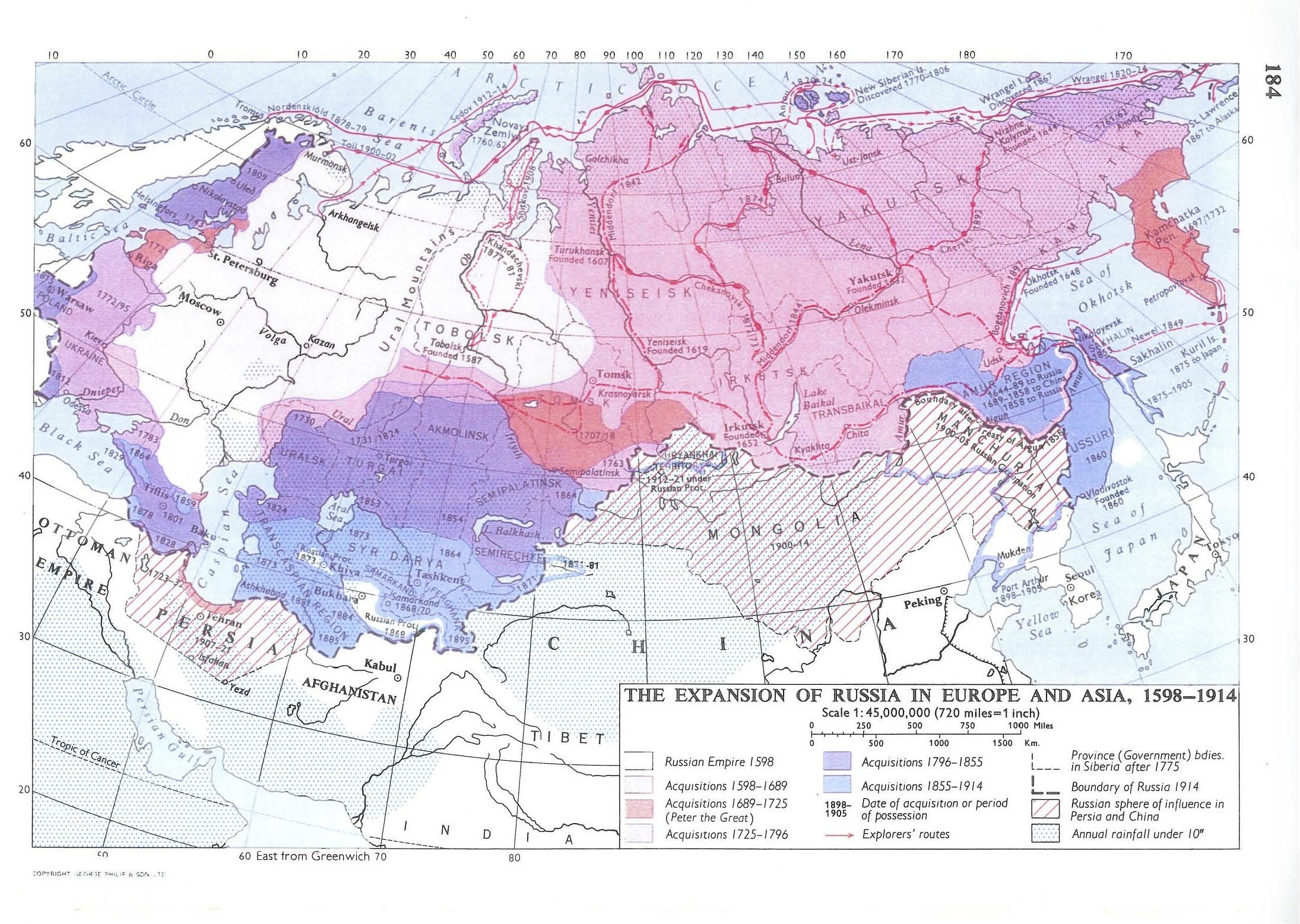
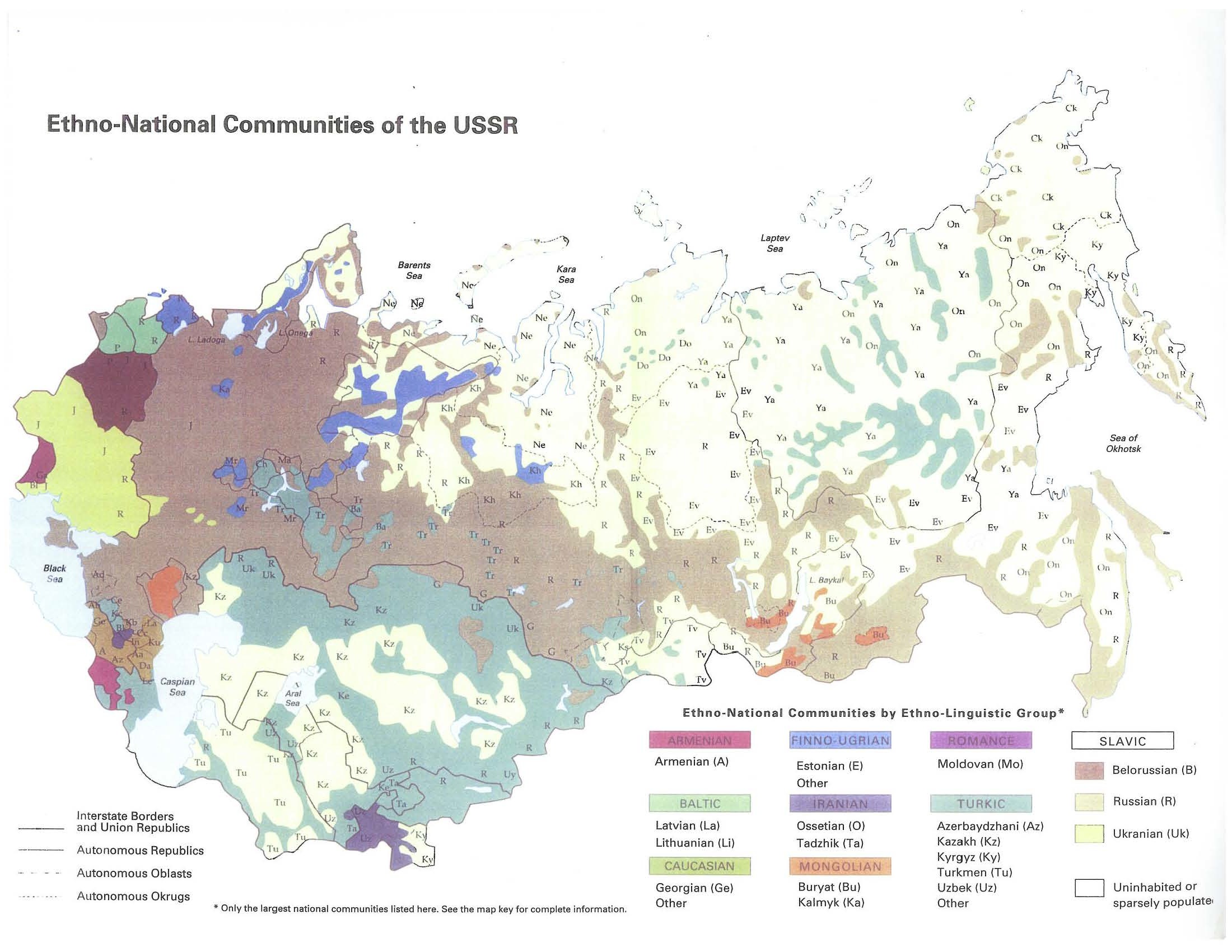
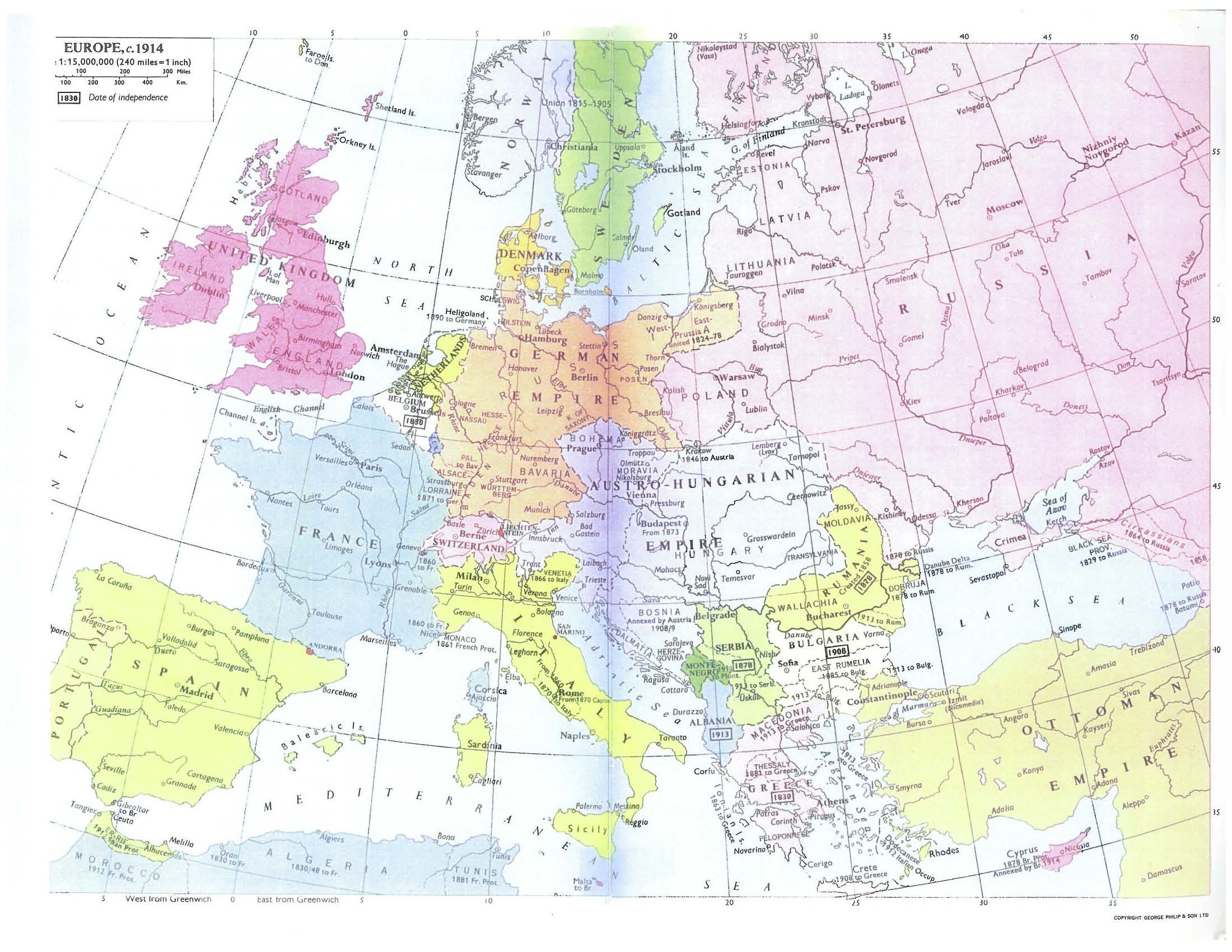
Paintings from The Russian Museum:
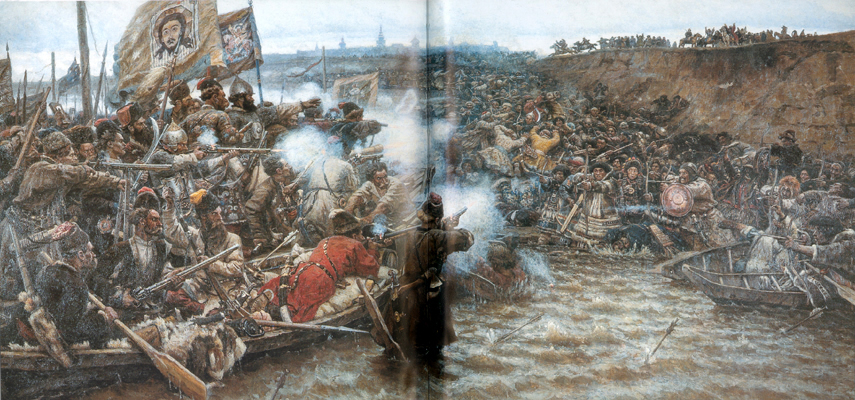
1. Vasily Surikov, “Yermak’s Conquest of Siberia,” 1895
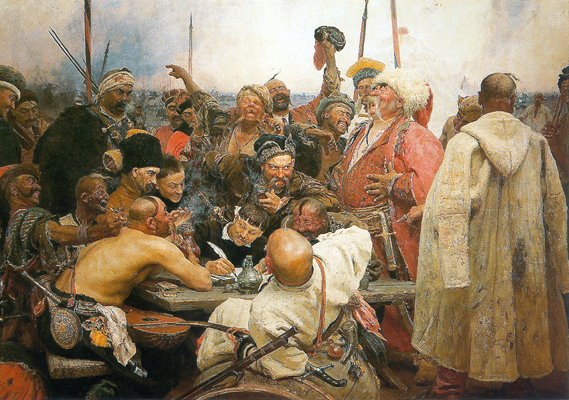
2. Ilya Repin, “The Zaporozhian Cossacks Writing a Mocking Letter to the Turkish Sultan,” 1880-1891
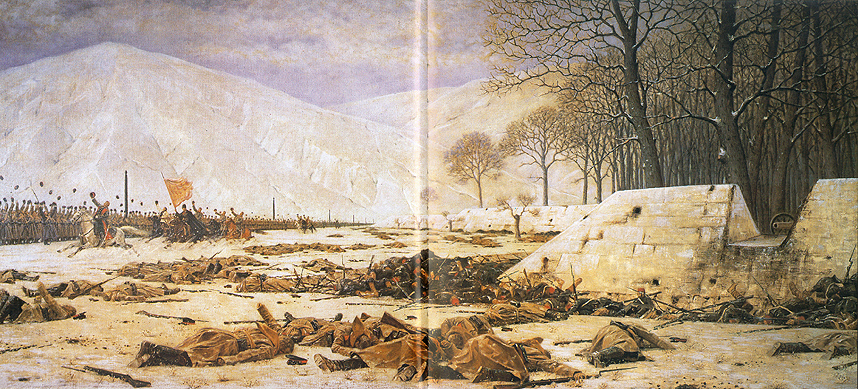
3. Vasily Vereschagin, “Shipka-Sheinovo (Skobolev outside Shipka),” before 1890
Photographs from M. Lyons, Russia in Original Photographs, 1860-1920:
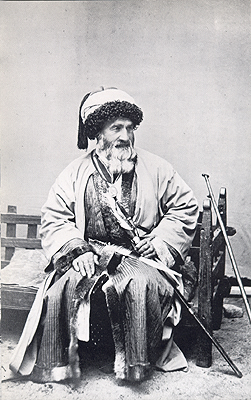
1. Abkhazian Chieftan (Caucasus), c. 1890
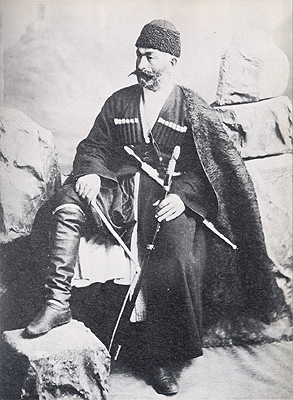
2. A Khabardin (One of the Largest Caucasian Groups)
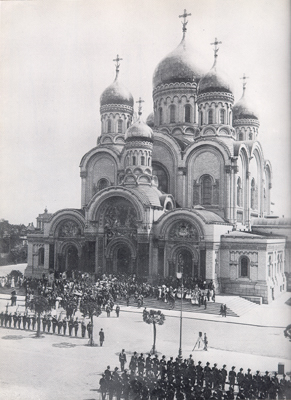
3. The Cathedral of St. Alexander Nevsky (Constructed 1894-1912), Saxon Square, Warsaw, poland, c. 1912
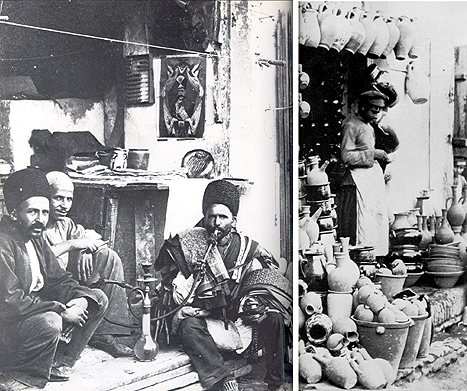
4. Shop of a Vendor in Tiflis, Georgia (Caucasus)
Photographs from K. Fitzlyon et al., Before the Revolution:
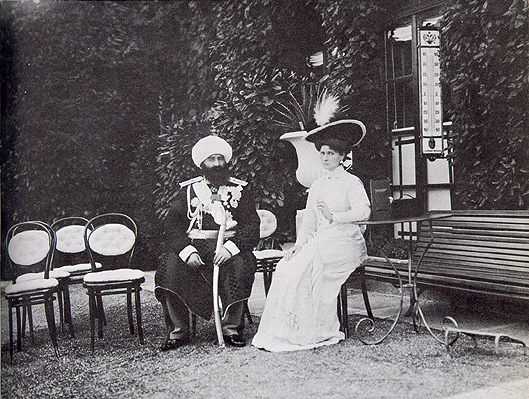
1. The empress Alexandra with the Emir of Bokhara at the Imperial Residence in the Crimea, 1909
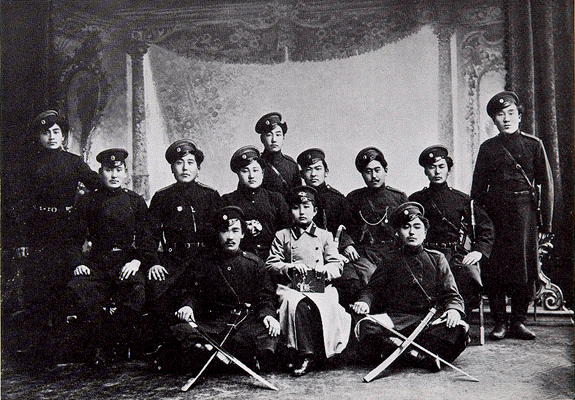
2. Buriat Soldiers of the Trans-Baikal Cossacks
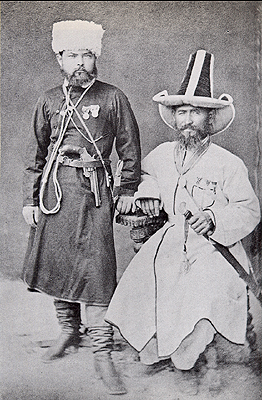
3. Kalmuck Chieftan and Bodyguard
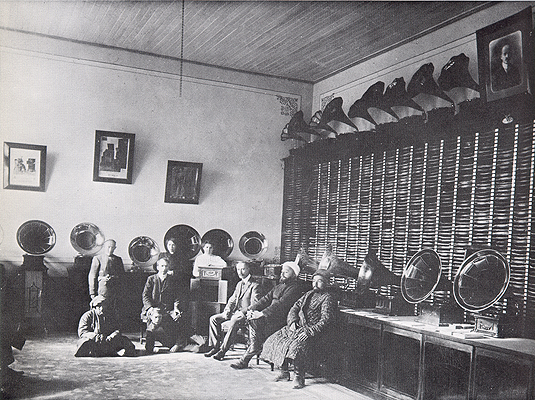
4. The Tiflis Branch of His Master’s Voice, c. 1914
Photographs from S. M. Prokudin-Gorskii, Photographs for the Tsar:
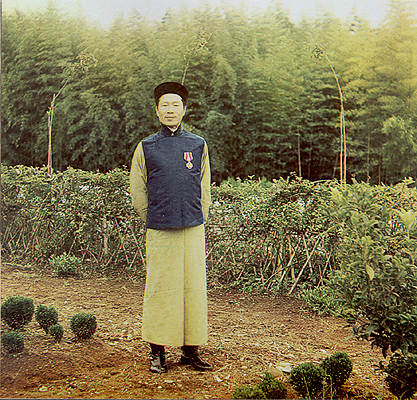
1. Chinese Master Tea-Grower Lau Dzhen-dzhan (Georgia, Caucasus)
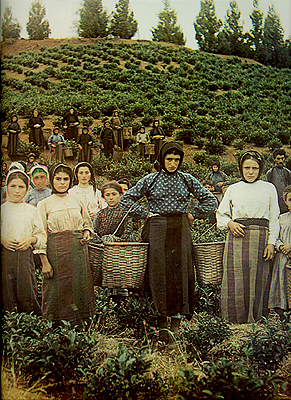
2. Tea-Gatherers, Greek Women and Girls (Georgia, Caucasus)
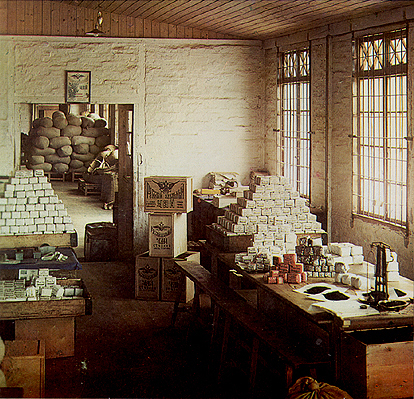
3. Weighing Room, Chakva Tea Works, Near Batumi (Georgia, Caucasus)
Class No. 6: The Peasantry: Isolation and Stagnation or Adaptation and Integration?
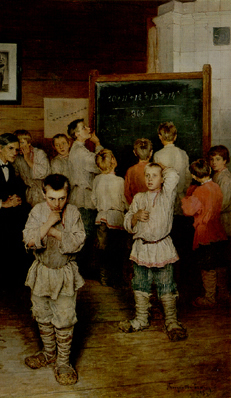
1. Nikolai Bogdanov-Belsky, “Oral Reckoning,” 1895
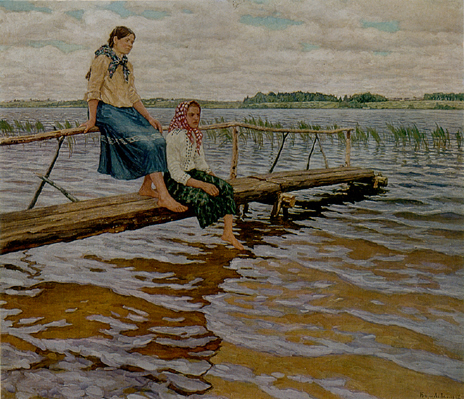
2. Nikolai Bogdanov-Belsky, “At the Ferry Landing,” 1915
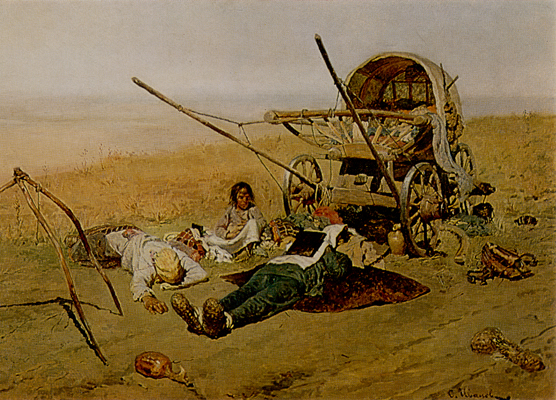
3. Sergei Ivanov, “Death of a Migrant Peasant,” 1889
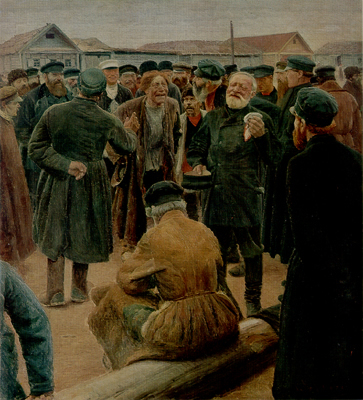
4. Sergei Korovin, “Meeting of the Village Community,” 1893
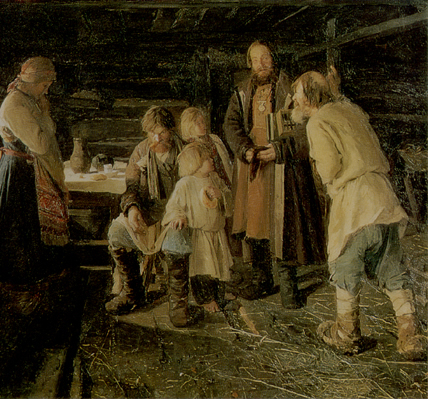
5. Nikolai Orlov, “Tax-Collecting,” 1895
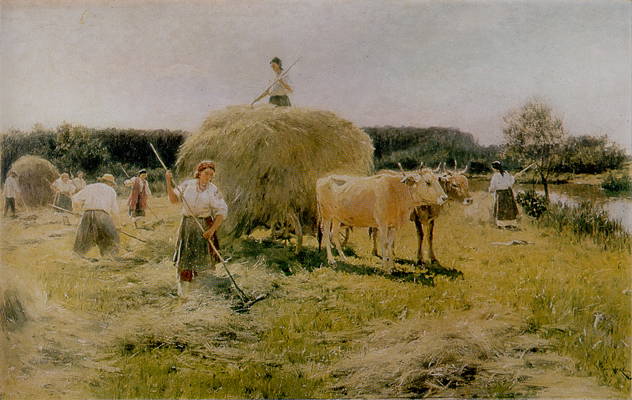
6. Nikolai Pimonenko, “Haymaking,” 1907
Class No. 8: Religion, Modernization, and Identity
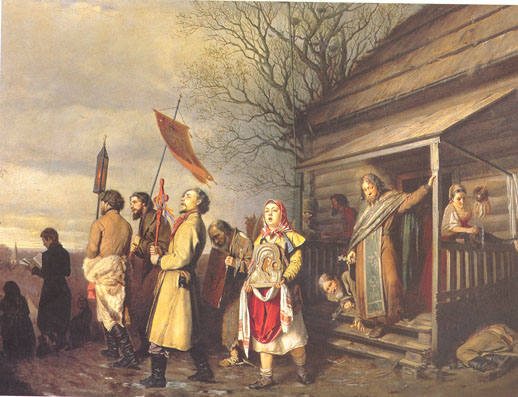
1. Vasily Perov, “Village Icon Procession at Easter,” 1861
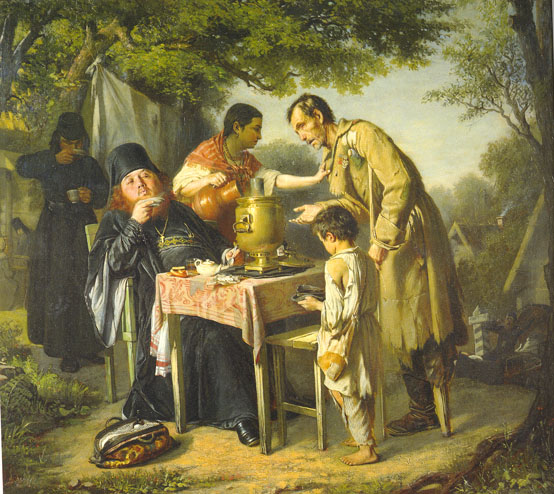
2. Vasily Perov, “Tea Drinking in Mytishchi near Moscow,” 1862
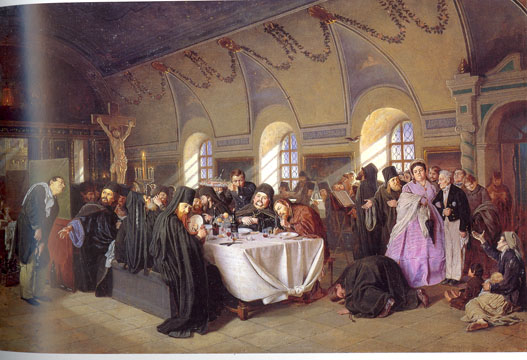
3. Vasily Perov, “Meal in a Monastery,” 1865-1876
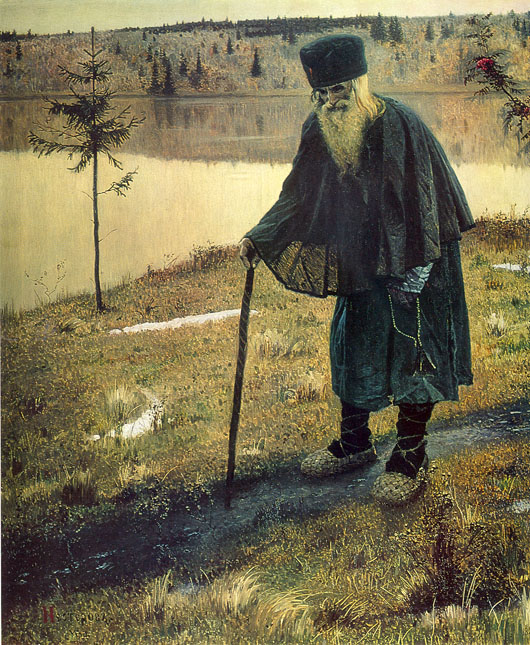
4. Mikhail Nesterov, “Spiritual Hermit,” 1888-1889
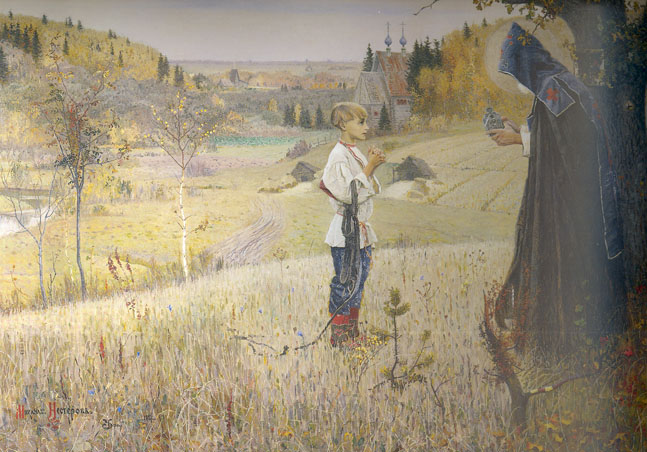
5. Mikhail Nesterov, “The Young Bartholomew’s Vision,” 1889-1890
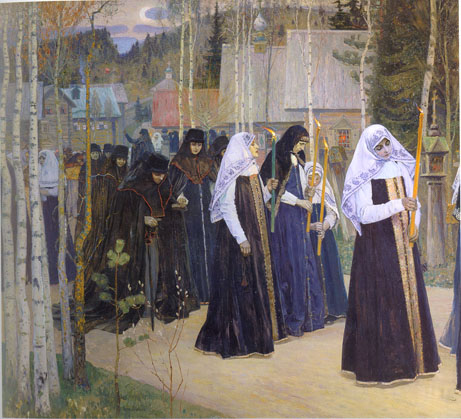
6. Mikhail Nesterov, “Taking the Veil,” 1898
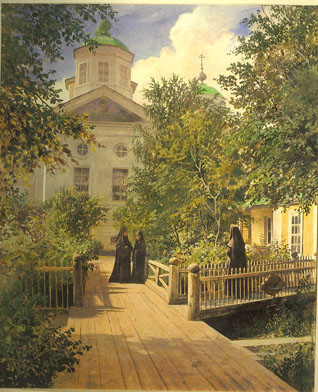
7. Andrei Karelin/Ivan Shishkin, The Nizhnii Novgorod Convent of the Exaltation of the Cross, 1870
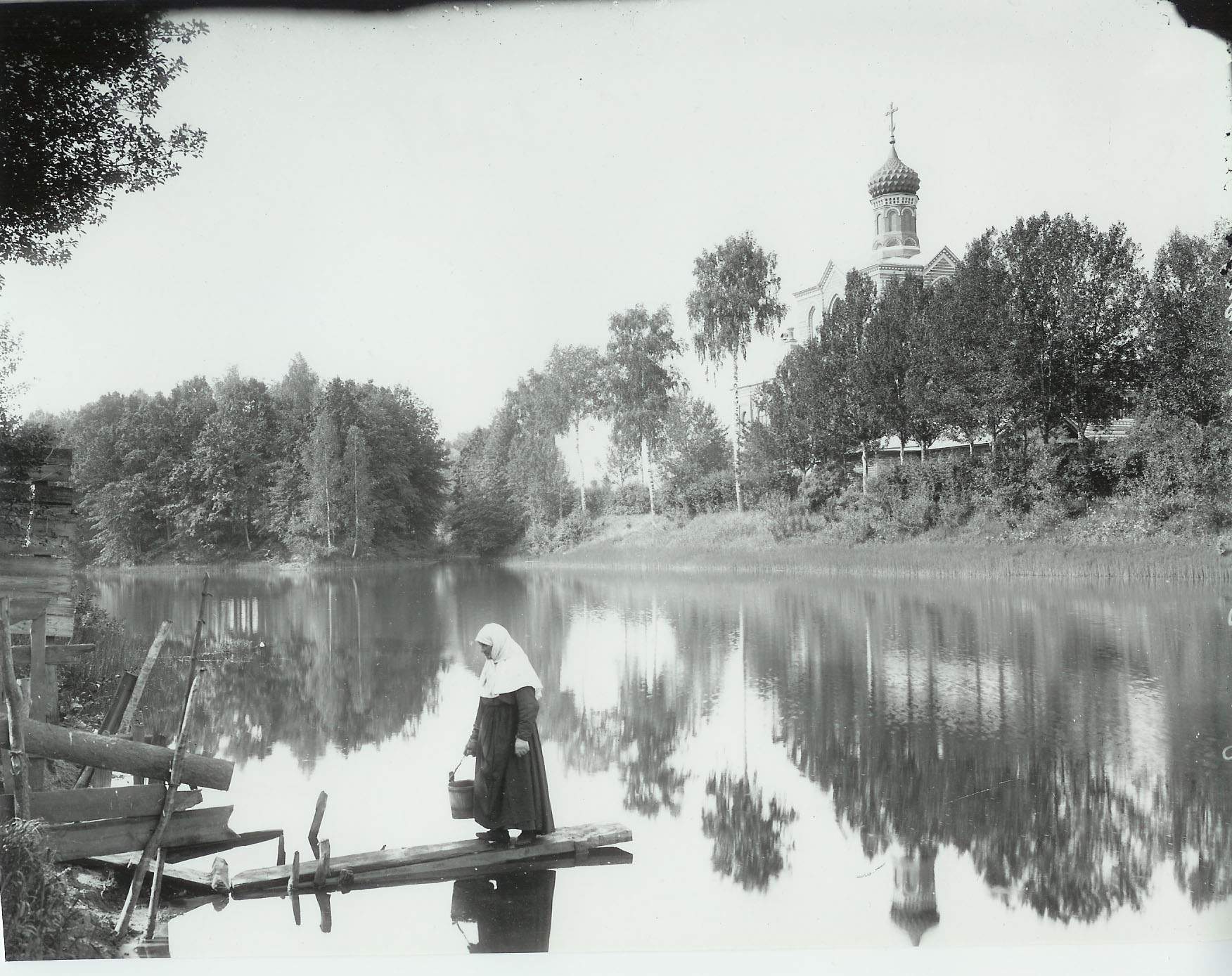
8. Maksim Dmitriev, View of the St. Seraphim-All-Sorrows Convent, Ponetaevka, 1890s
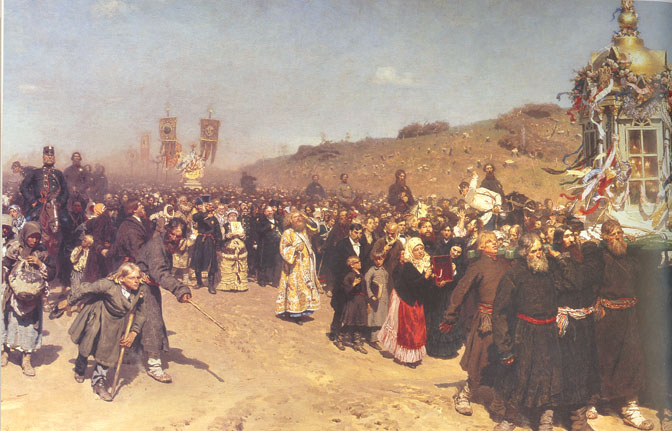
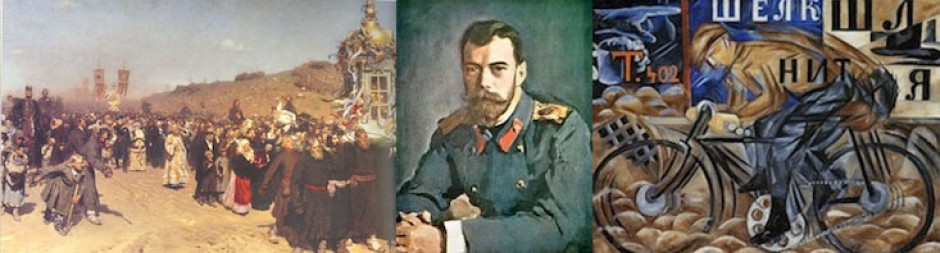
9. Ilia Repin, “Icon Procession in Kursk Province,” 1880-1883
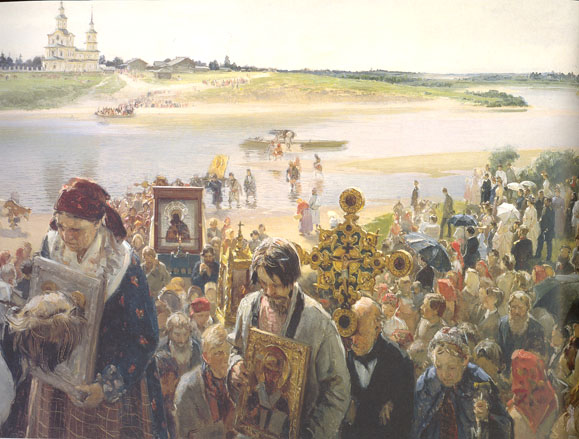
10. Illarion Prianishnikov, “Icon Procession,” 1893
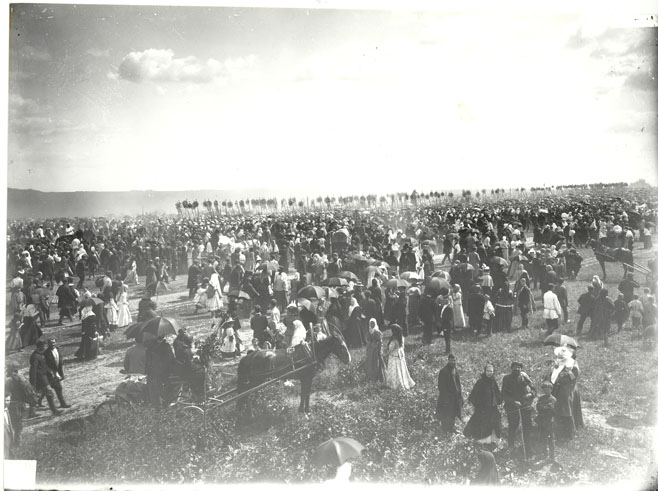
11. Maksim Dmitriev, Annual Icon Procession with Miracle-Working Oranki Birthgiver of God Icon, Approaching the City of Nizhnii Novgorod, 1890s
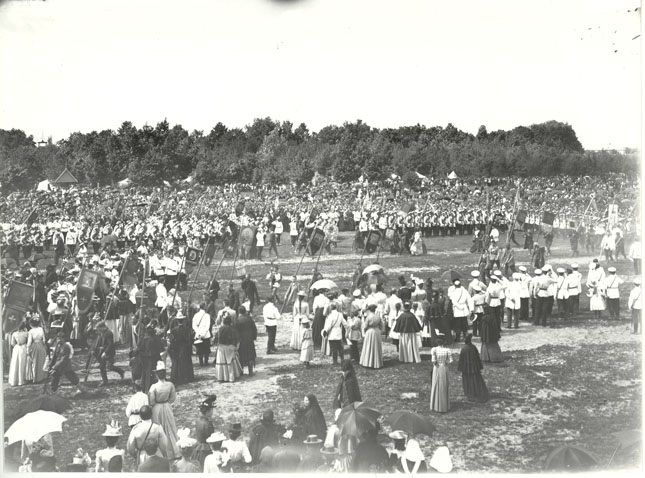
12. Maksim Dmitriev, Annual Icon Procession with Miracle-Working Oranki Birthgiver of God Icon, Arriving at the City Center, Nizhnii Novgorod, 1890s
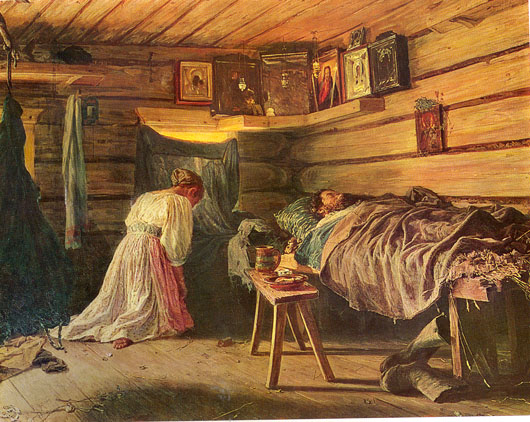
13. Vasily Maksimov, “The Sick Husband,” 1881
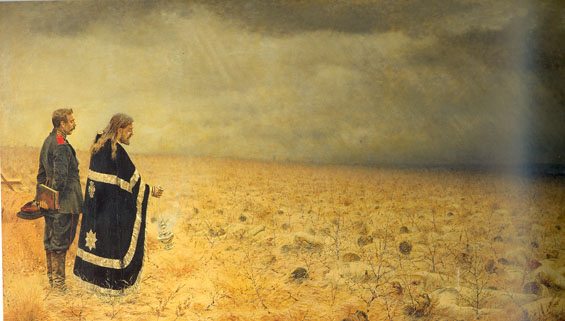
14. Vasily Vershchagin, “Mortally Wounded,” 1873
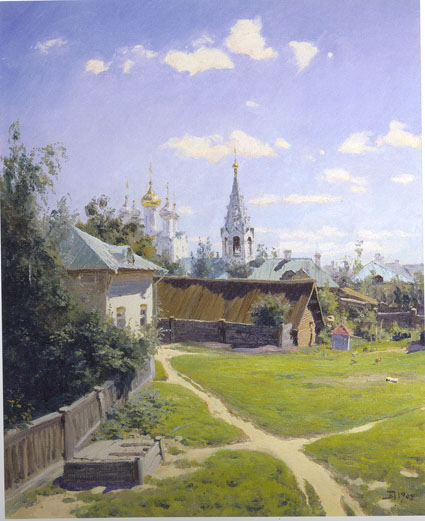
15. Vasily Polenov, “Moscow Courtyard,” 1902
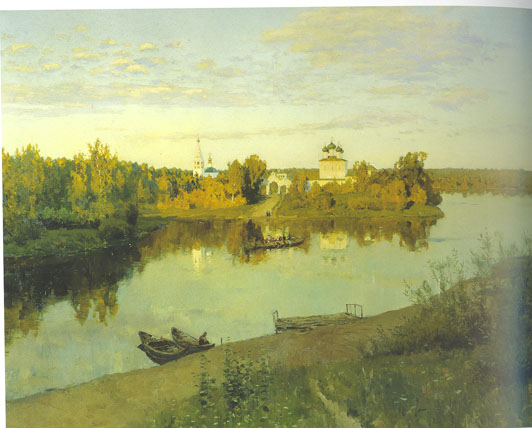
16. Isaak Levitan, “Evening Bells,” 1892
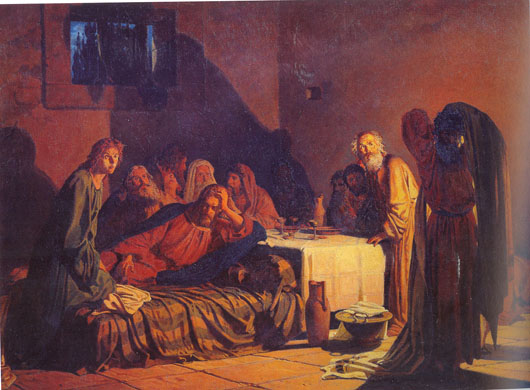
17. Nikolai Ge, “The Last Supper,” 1866
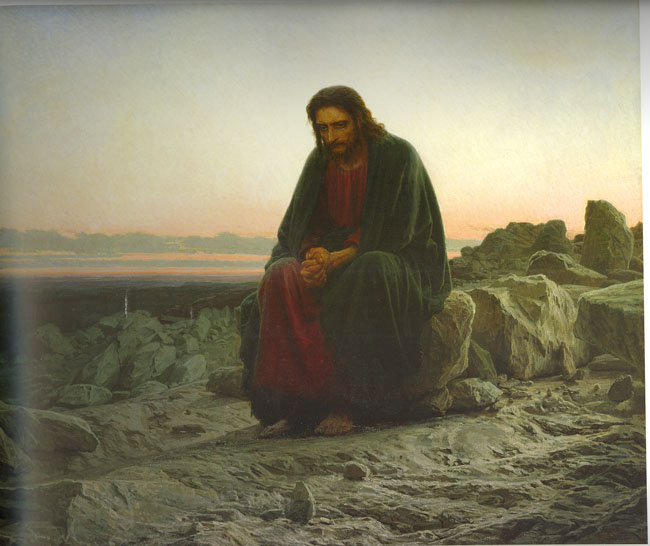
18. Ivan Kramskoi, “Christ in the Wilderness,” 1872
Class No. 9: Refashioning Urban Russia
Paintings from The Itinerants and The Russian Museum:
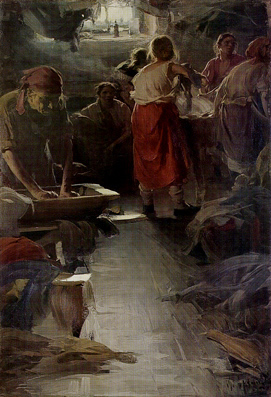
1. Abram Arkhipov, “Laundresses,” 1901
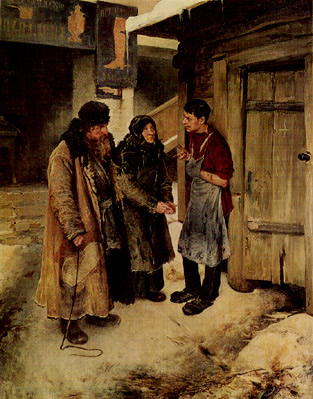
2. Klavdy Lebedev, “To See Their Son,” 1894
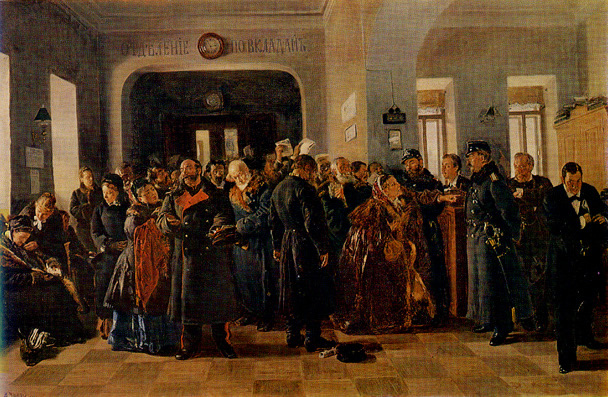
3. Vladimir Makovsky, “Bank Failure,” 1881
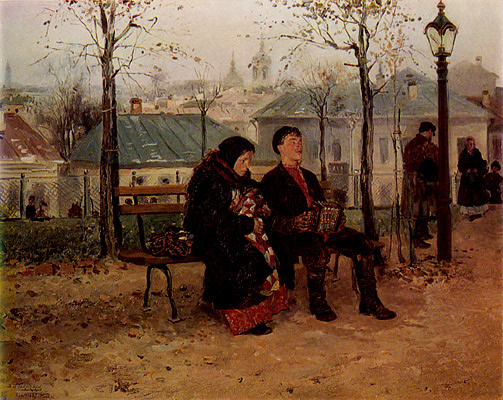
4. Vladimir Makovsky, “On the Boulevard,” 1886-1887
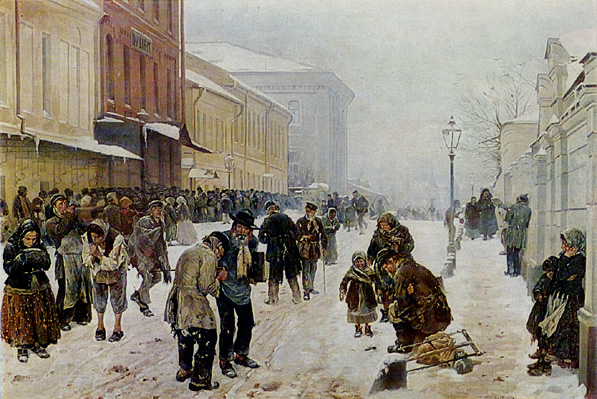
5. Vladimir Makovsky, “A Doss-House,” 1889
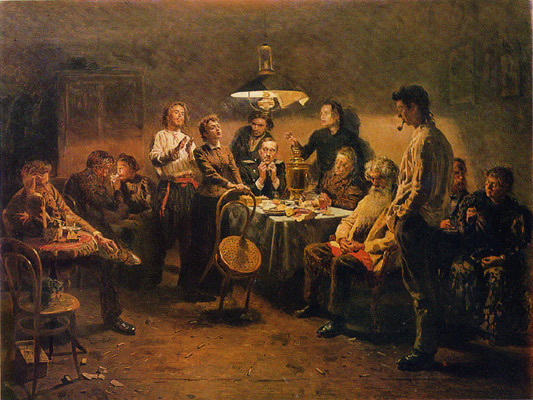
6. Vladimir Makovsky, “The Tea Party,” 1875-1897
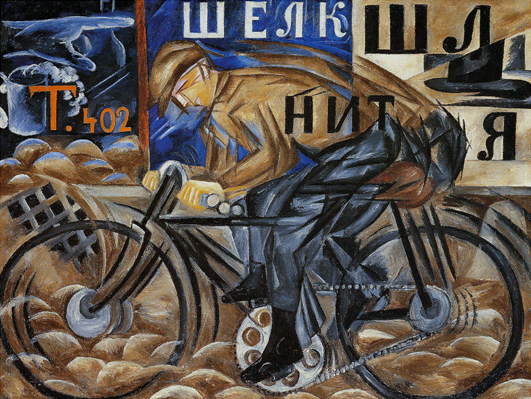
7. Natalia Goncharova, “Cyclist,” 1913
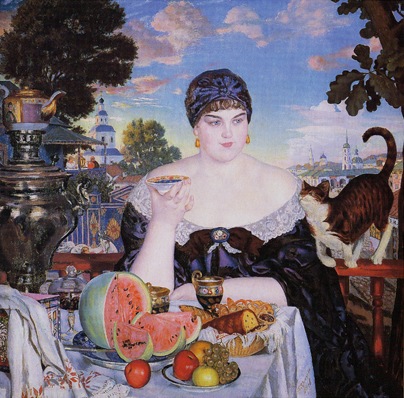
8. Boris Kustodiev, “A Merchant’s Wife at Tea,” 1918
Architecture from Russian Modernism and Williams Brumfield, The Origins of Modernism in Russian Architecture:
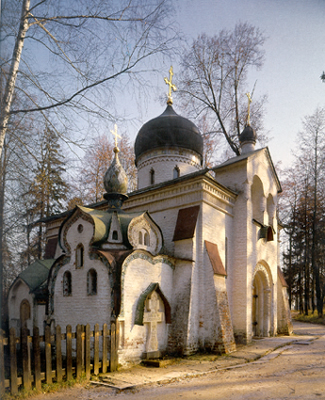
1. V. M. Vasnetsov and V. D. Polenov, Church of the Icon of the Savior at Abramtsevo, 1881-1882
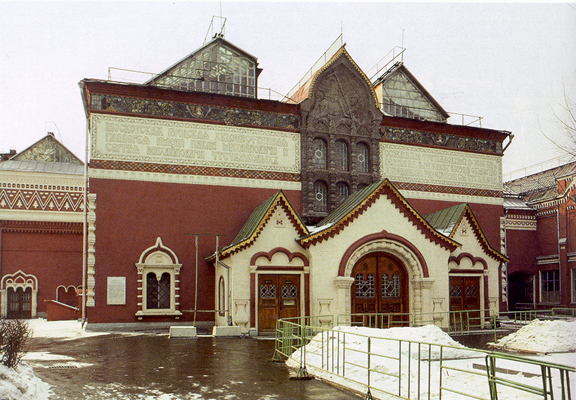
2. V. M. Vasnetsov, The Tretiakov Gallery, Moscow, 1902-1905
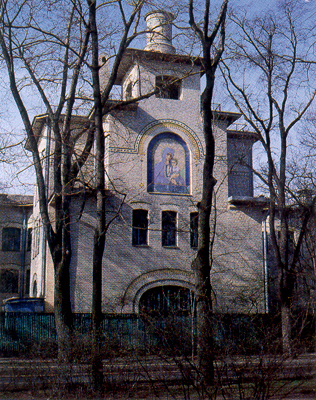
3. Roman Meltser, Orthopedic Institute, St. Petersburg, 1902-1905
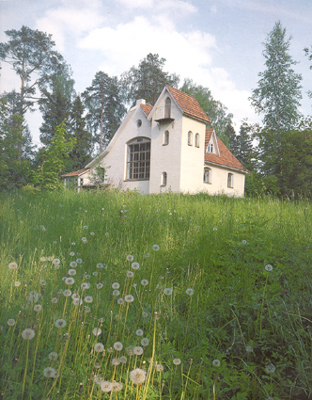
4. V. D. Polenov, Studio “Abbatstvo” at Polenova, near Tarusa, 1904
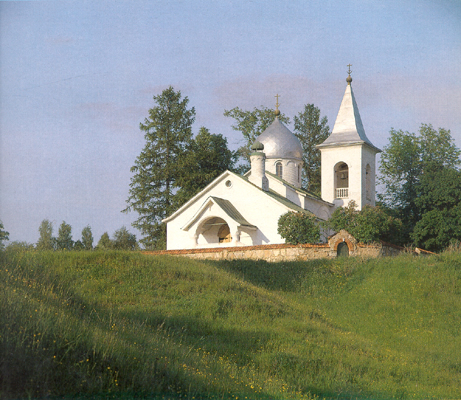
5. S. I. Vashkov, Church in the Village of Kliazma, Near Moscow, 1913-1916
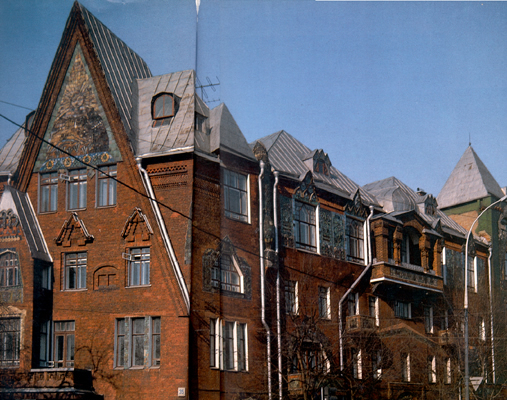
6. S. V. Maliutin, Pertsov House, Moscow, 1905-1907
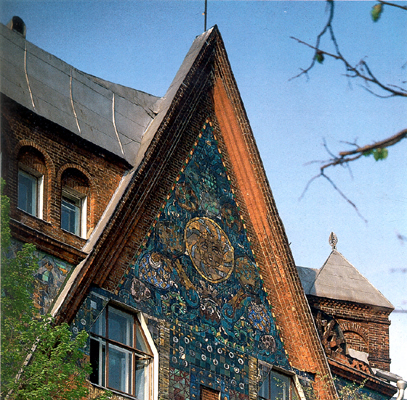
7. S. V. Maliutin, Pertsov House, Moscow, detail, 1905-1907
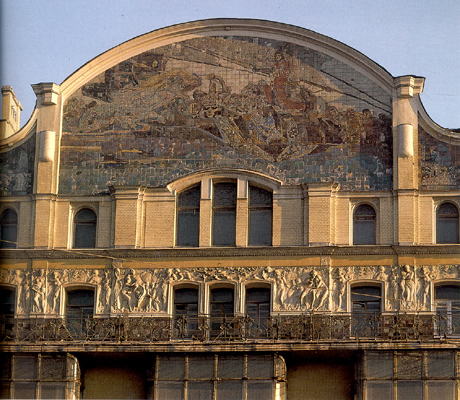
8. V. F. Val’kot, Hotel Metropole, Detail of Facade by M. A. Vrubel’, with Sculptures by N. A. Andreev, Moscow, 1899-1906
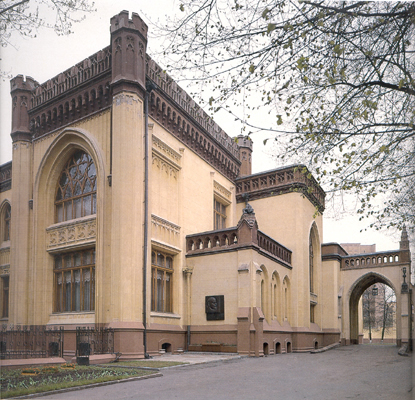
9. F. O. Shekhtel’, House for Z. G. Morozova, Moscow, 1893
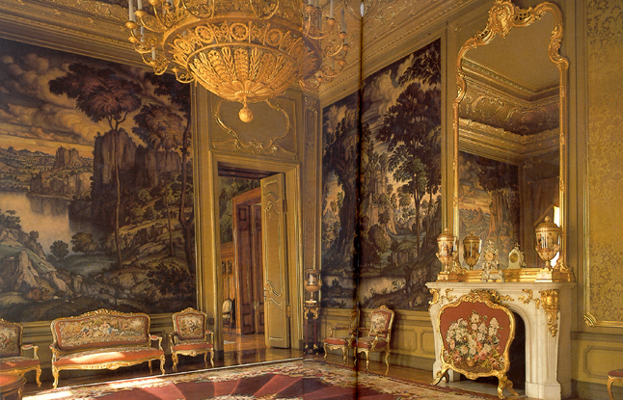
10. F. O. Shekhtel’, House for Z. G. Morozova, Living Room, Moscow, 1893
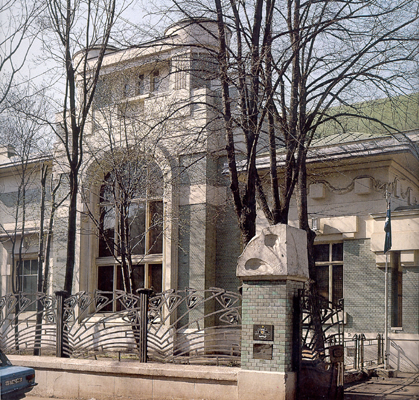
11. F. O. Shekhtel’, House for A. I. Derozhinskaia, Moscow, 1901-1902
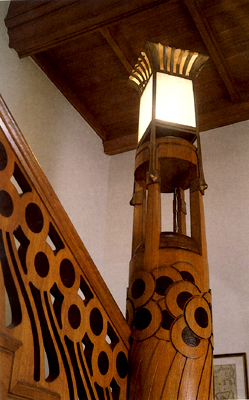
12. F. O. Shekhtel’, House for A. I. Derozhinskaia, Moscow, interior, 1901-1902
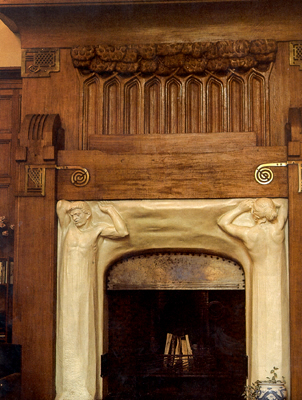
13. F. O. Shekhtel’, House for A. I. Derozhinskaia, Moscow, interior, 1901-1902
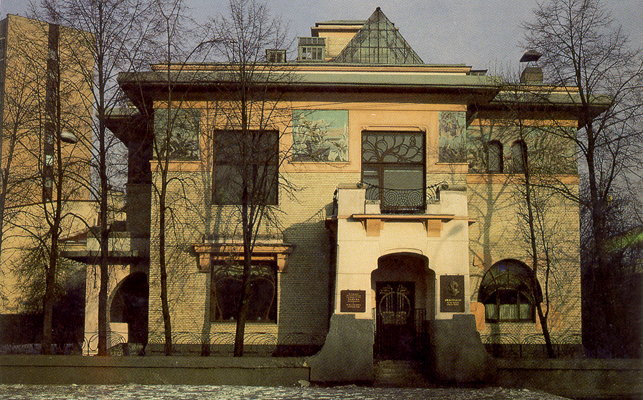
14. F. O. Shekhtel’, House for Stepan Riabushinskii, Moscow, 1900-1902
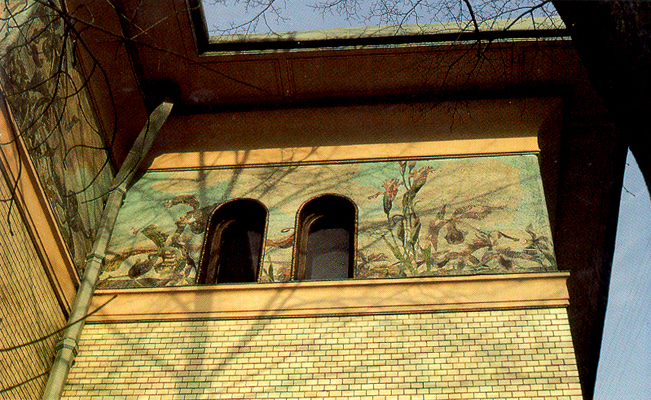
15. F. O. Shekhtel’, House for Stepan Riabushinskii, Moscow, Mosaic Detail, 1900-1902
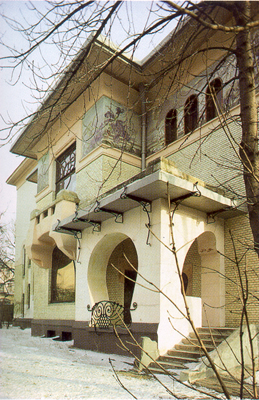
16. F. O. Shekhtel’, House for Stepan Riabushinskii, Moscow, side facade, 1900-1902

17. F. O. Shekhtel’, House for Stepan Riabushinskii, Moscow, interior, 1900-1902
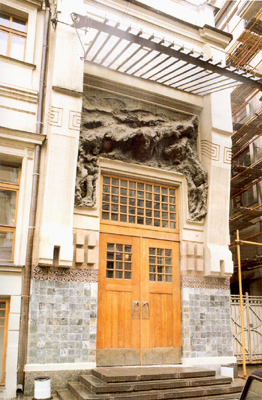
18. F. O. Shekhtel’, Moscow Art Theater, Moscow, 1902
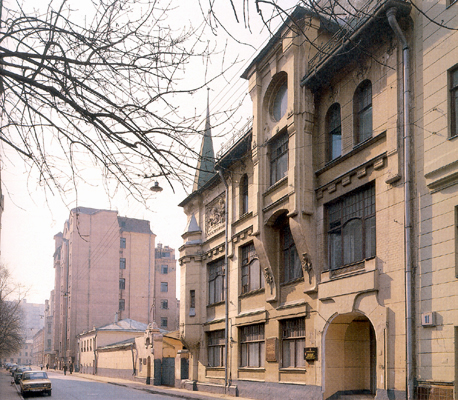
19. F. O. Shekhtel’, A. A. Levenson Press, Moscow, 1900
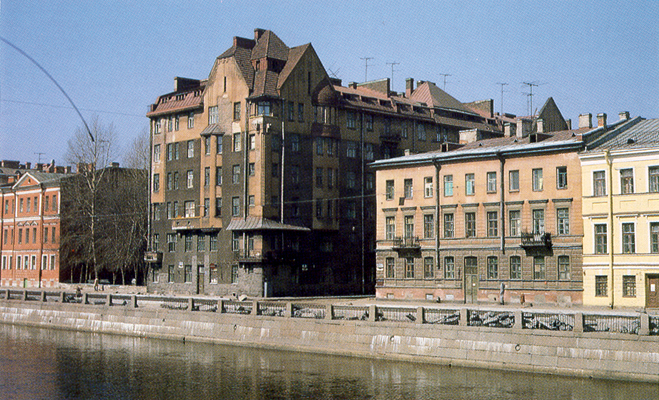
20. Aleksei Buber’, Apartment house, Fontanka Quay, St. Petersburg, 1910-1911
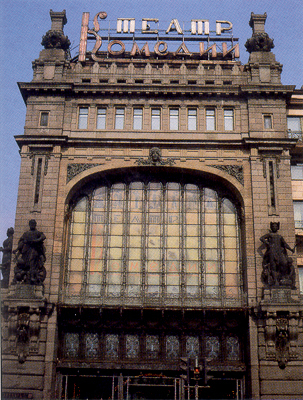
21. Gavriil Baranovskii, Eliseev Building, St. Petersburg, 1902-1904
Scenes of Nizhnii Novgorod:
Paintings from The Itinerants:
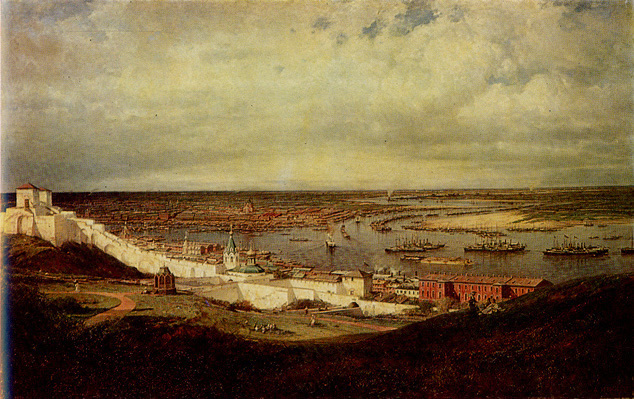
1. Aleksei Bogoliubov, “Scene of Nizhnii Novgorod,” 1878
Photographs from Maksim Dmitriev:
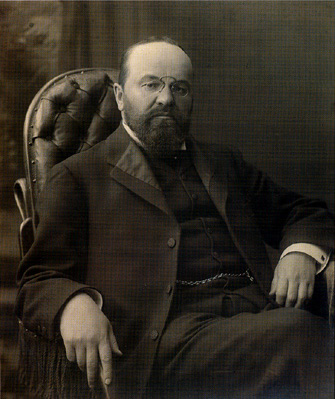
1. D. V. Sirotkin, Mayor of Nizhnii Novgorod and Chairman of the Stock Exchange Commission, 1913-1917
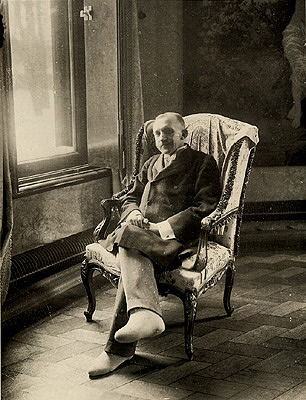
2. Merchant Mikhail Rukavishnikov
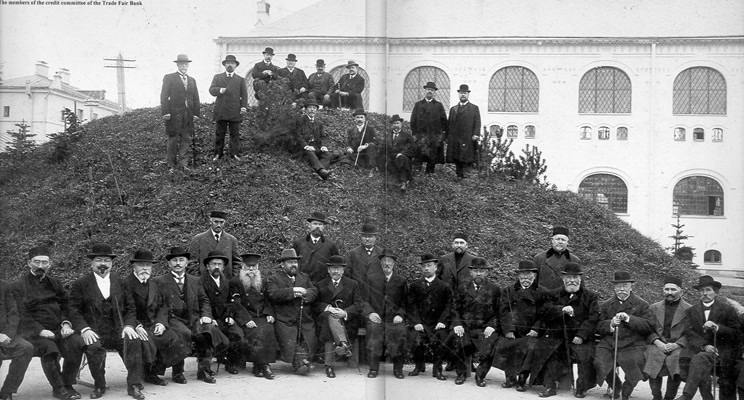
3. Members of the Credit Committee of the Trade Fair Bank
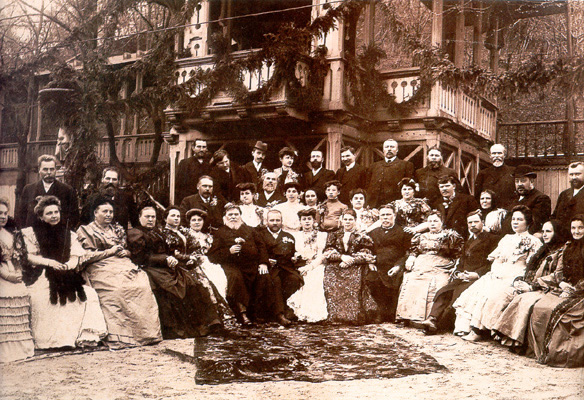
4. Wedding of the Merchant M. N. Blinov
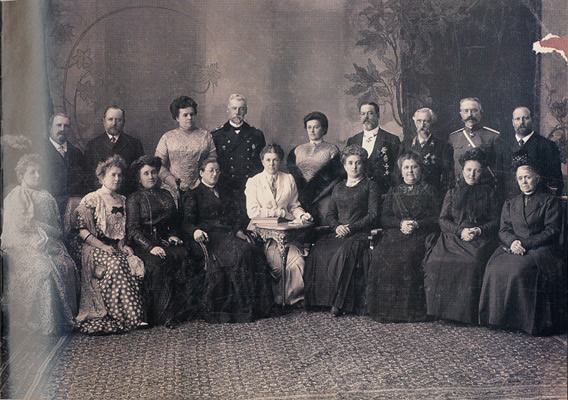
5. Women of the Charitable Society with the Provincial Governor, M. N. Shramchenko
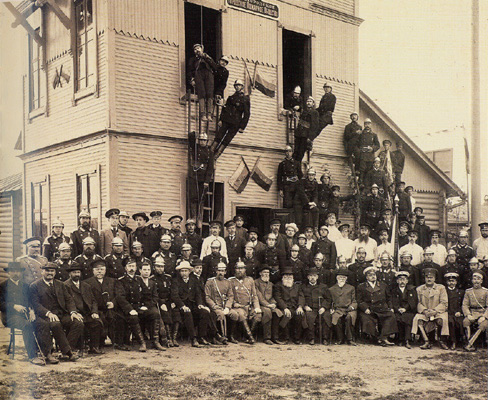
6. City Firemen, with the Provincial Governor, A. N. Khvostov (front row, fifth from left)
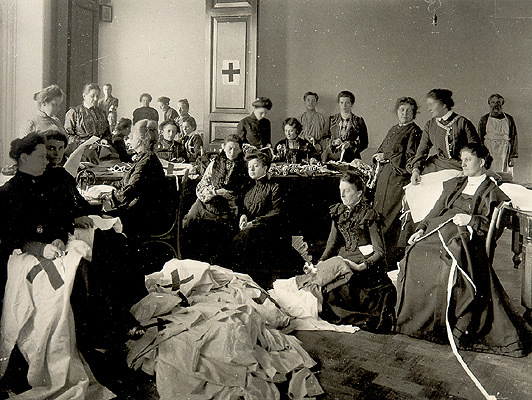
7. Red Cross Members
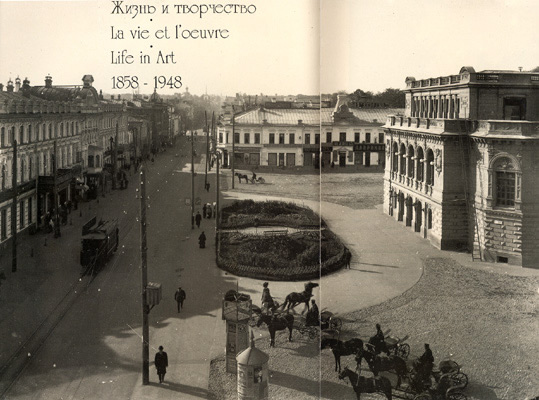
8. Main Street (Bolshaia Pokrovka), with the Theater on the Right
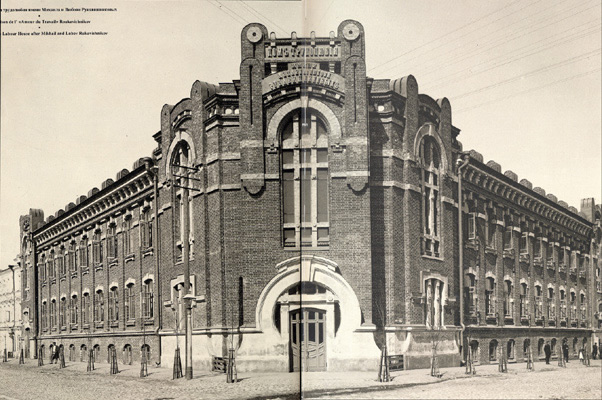
9. House of Labor, Named in Honor of Mikhail and Liubov Rukavishnikov
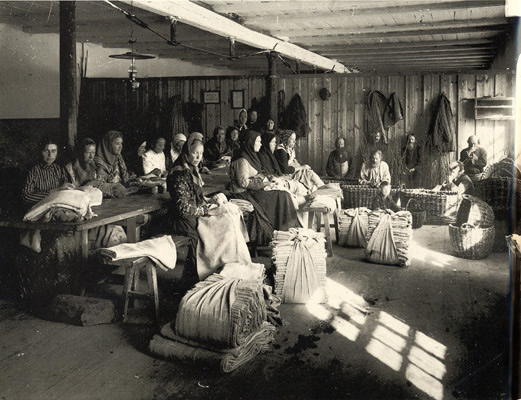
10. In the House of Labor
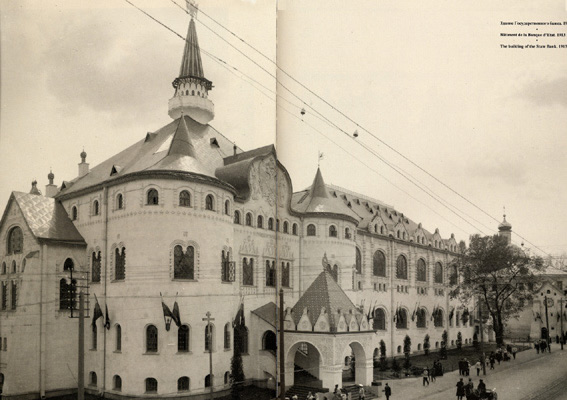
11. State Bank Building, 1913
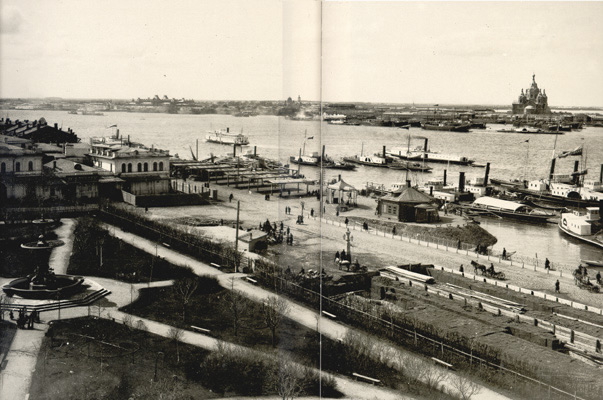
12. Lower Embankment, Along the Volga River. The Trade Fair Grounds are Across the River
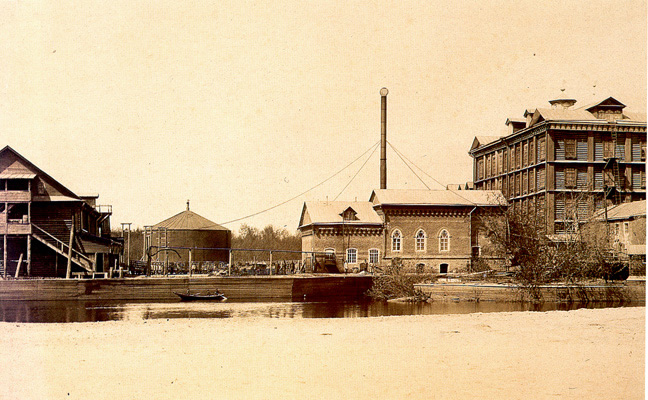
13. Blinov Brothers’ Flour Mill, Village of Filippovka Semenovsk District
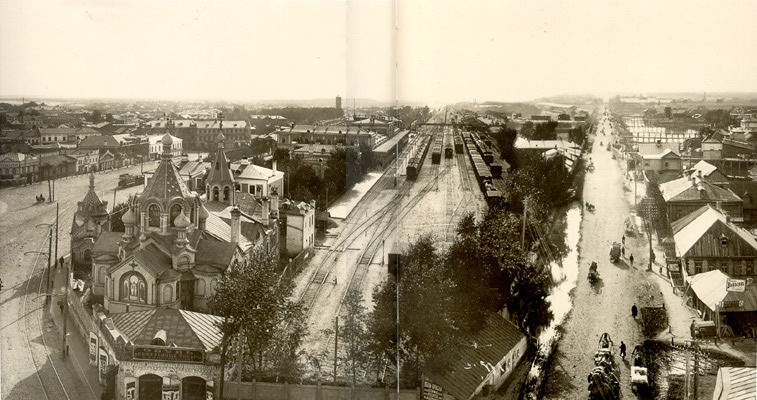
14. Railroad Station and Square
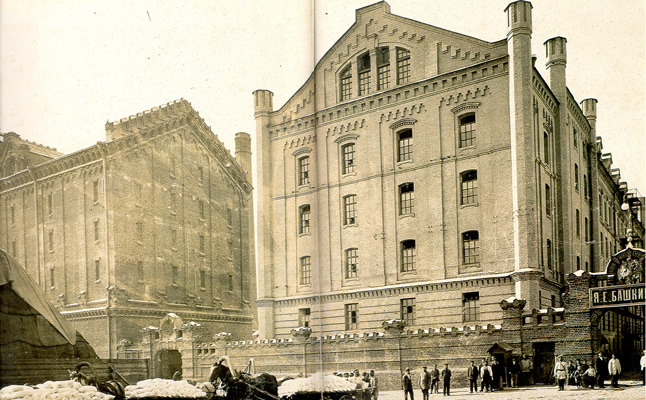
15. Bashkirov Flour Mill, Kunavino District
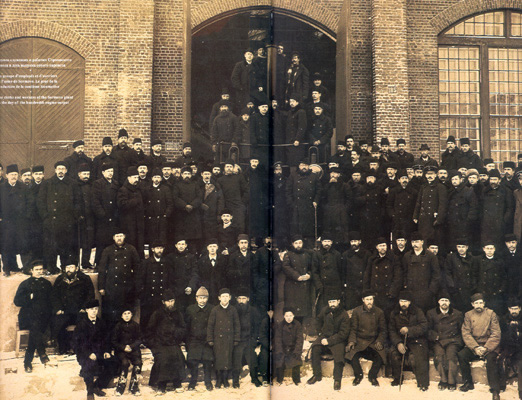
16. Clerks and Workers at the Sormovo Factory, on the Day the 100th Engine was Produced
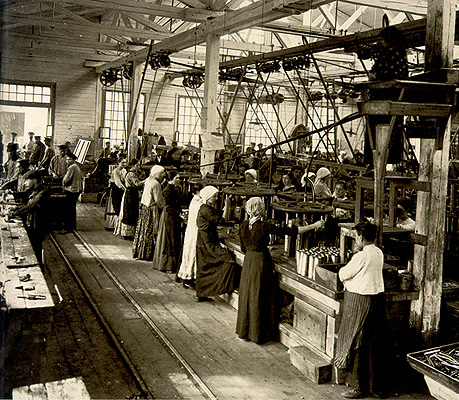
17. Shrapnel Works, Sormovo Factory, 1915-1916
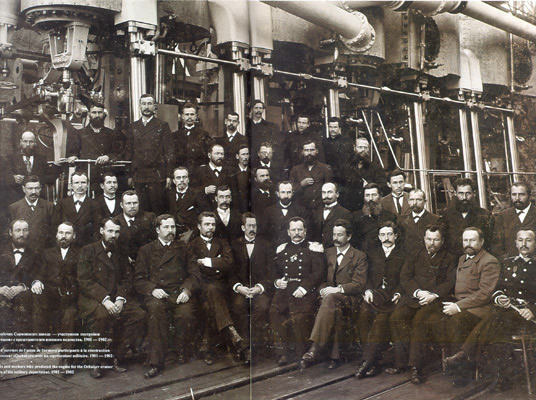
18. Engineers and Workers at the Sormovo Factory, with Representatives from the Military, on Production of the Engine for the Cruiser Ochakov, 1901-1902
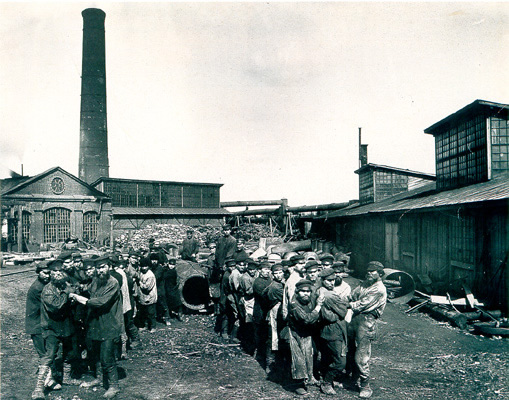
19. Workers at the Mining Mills in Kulebaki
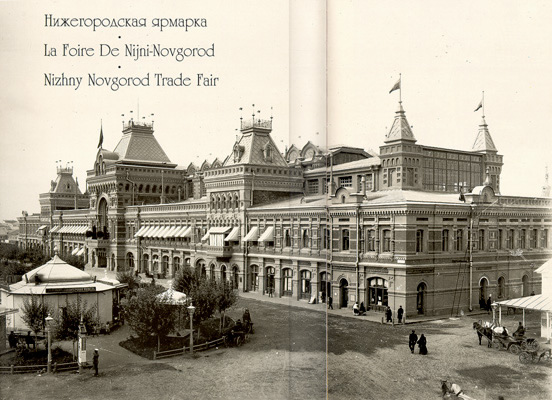
20. Main Building, Nizhnii Novgorod Trade Fair
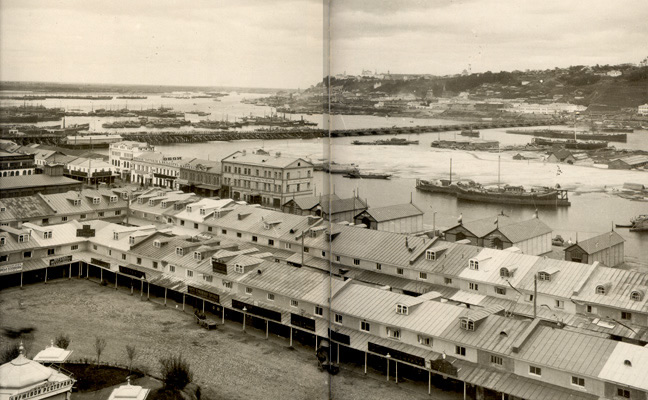
21. Fair Stalls, Nizhnii Novgorod Trade Fair
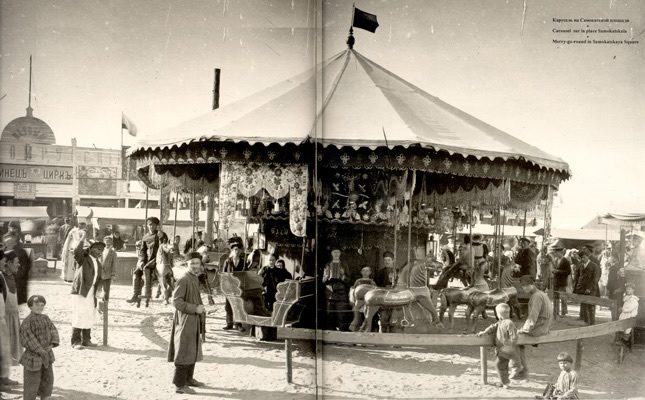
22. Merry-Go-Round, Samokatskaia Square, Nizhnii Novgorod Trade Fair
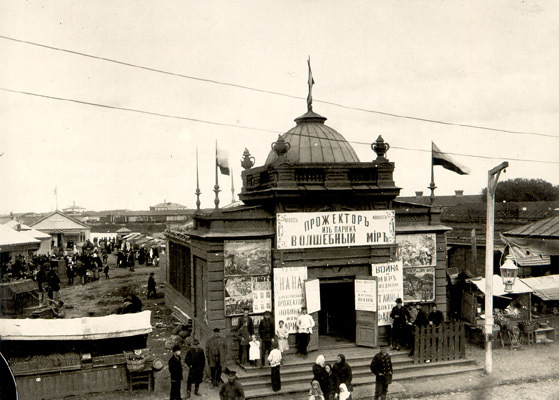
23. Movie Theater, Samokatskaia Square, Nizhnii Novgorod Trade Fair
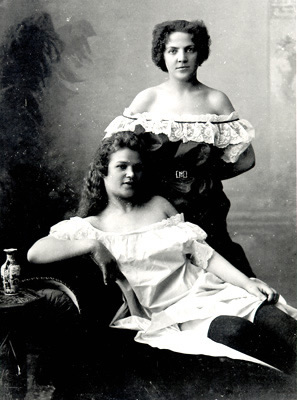
24. Gustov Sisters, Music Hall Singers, Nizhnii Novgorod Trade Fair
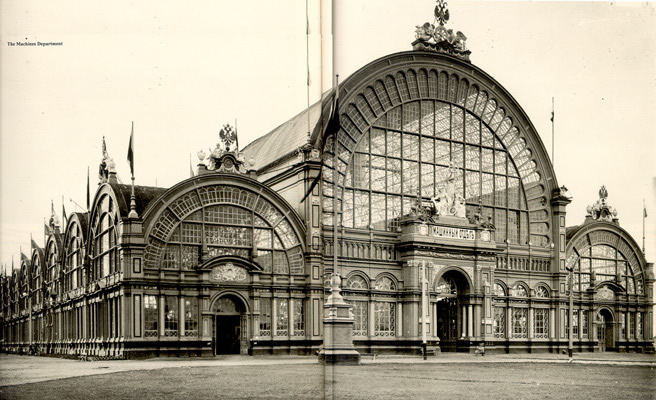
25. Machines Department/Exhibit Hall, 1896 All-Russian Exposition, Nizhnii Novgorod
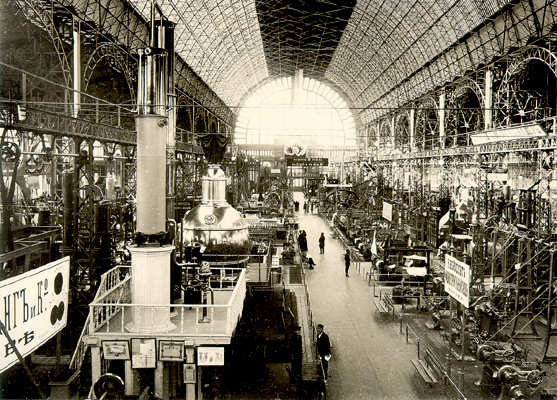
26. Interior View, Machines Department, 1896 All-Russian Exposition, Nizhnii Novgorod
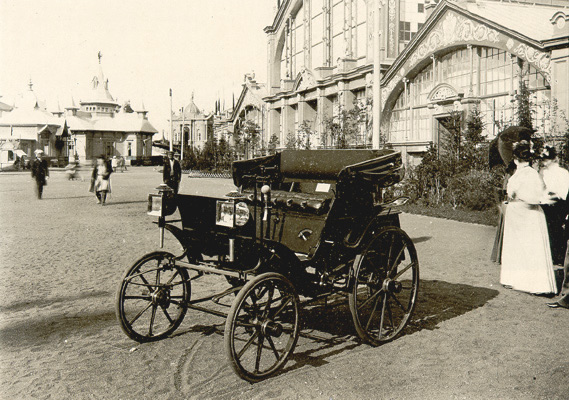
27. First Russian Automobile, Exhibited at the 1896 All-Russian Exposition, Nizhnii Novgorod
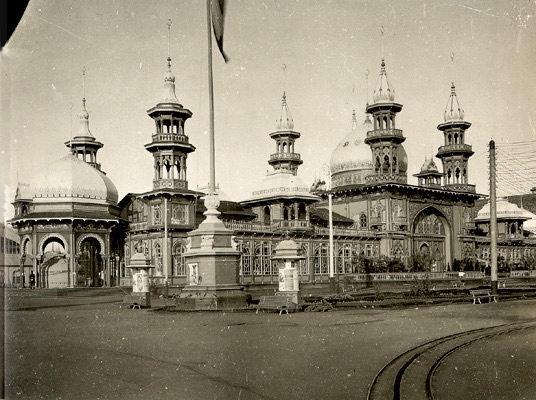
28. Pavilions of the Middle Asia Department and of Russian-Persian Trade, 1896 All-Russian Exposition, Nizhnii Novgorod
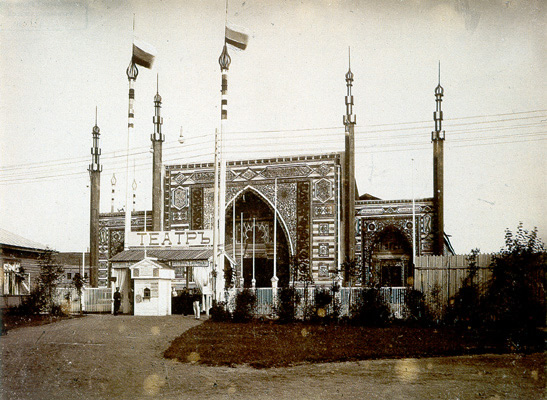
29. Theater and Restaurant of T. Astaf’ev, 1896 All-Russian Exposition, Nizhnii Novgorod
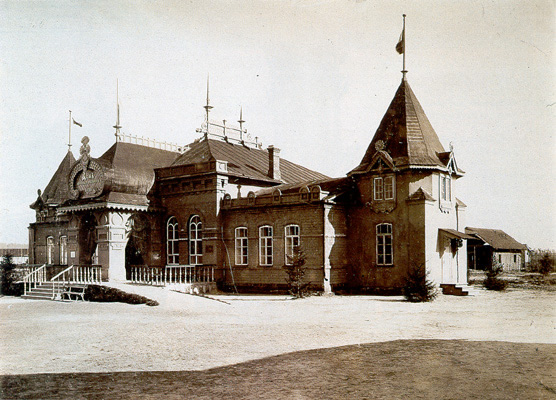
30. House for Public Entertainment and Meetings, 1896 All-Russian Exposition, Nizhnii Novgorod
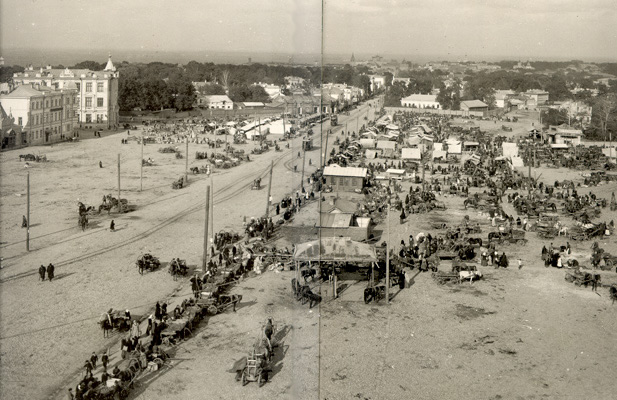
31. New Market Square
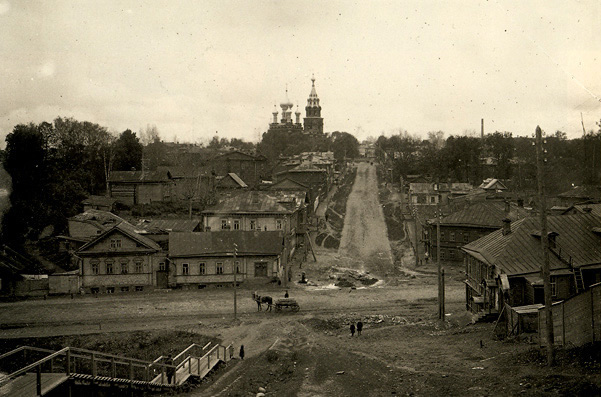
32. Spasskii (Savior) Street and Spasskii Cathedral
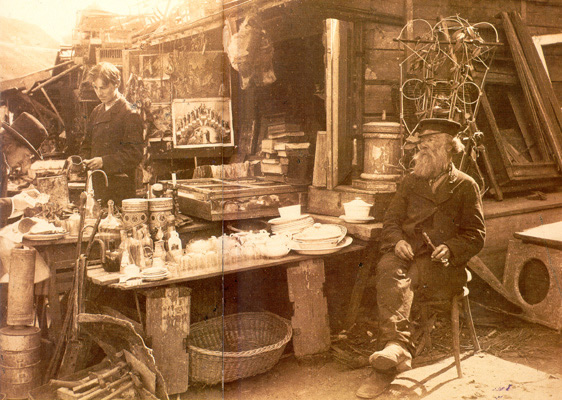
33. Junkshop in Balchug, c. 1890
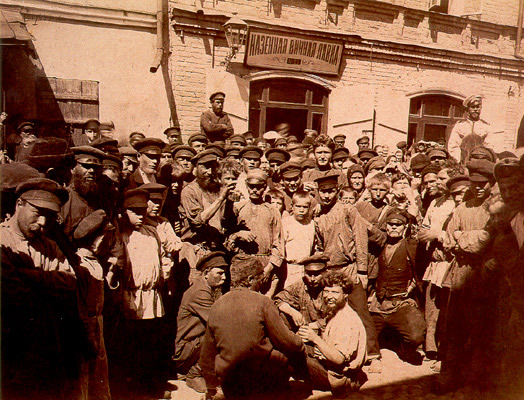
34. State Wine Shop, Before Opening, Early 1900s
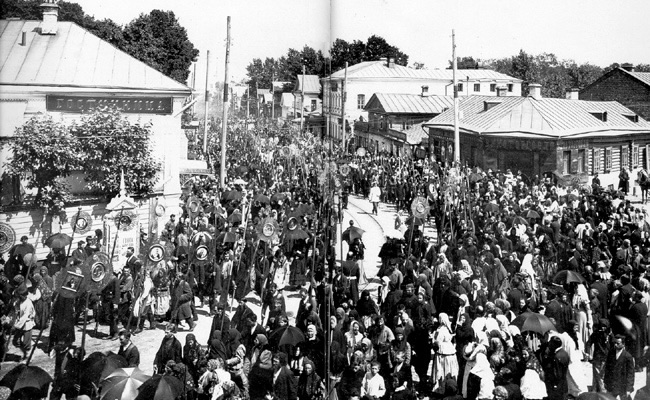
35. Annual Religious Procession, Bringing the Oranki Mother of God Icon to Nizhnii Novgorod, 1890s
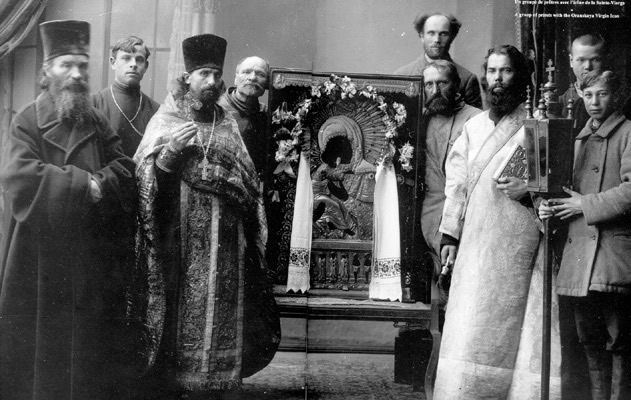
36. A Group of Priests, with the Oranki Mother of God Icon
Class No. 13: The Bronze Horseman
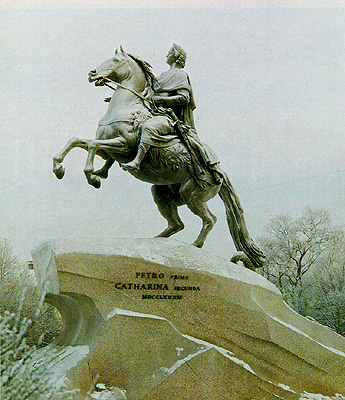
1. The Bronze Horseman, St. Petersburg
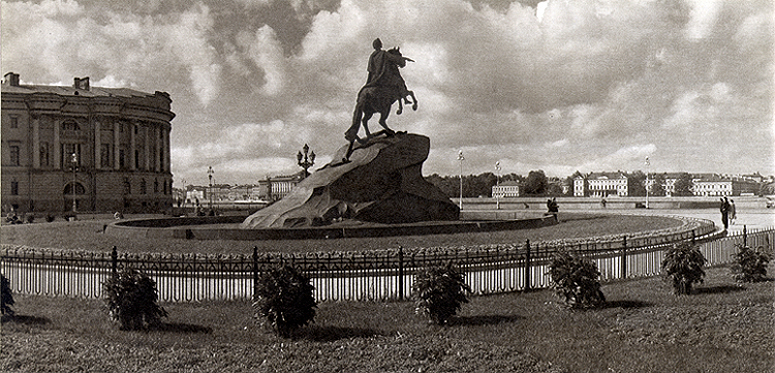
2. The Bronze Horseman and Surroundings, St. Petersburg
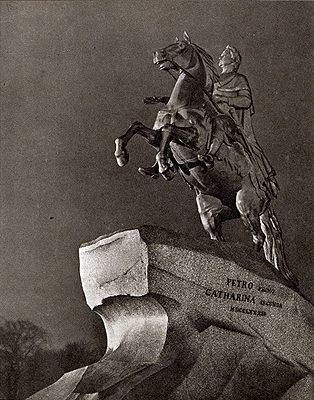
3. The Bronze Horseman, St. Petersburg
Class No. 14: Avant Garde Reactions to 1905: Modernism
From: Women Artists of Russia’s New Age, 1900-1935, Amazons of the Avant-Garde: Exter, Goncharova, Popova, Rozanova, Stepanova, Udaltsova, and V. N. Lasarev, The Moscow School of Icon-Painting:
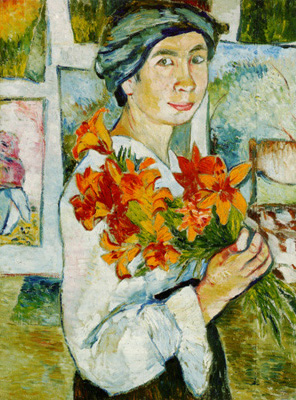
1. Natalia Goncharova, “Self-Portrait with Yellow Lilies,” 1907
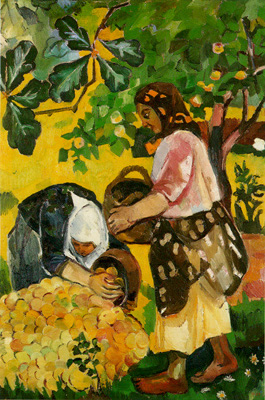
2. Natalia Goncharova, “Fruit Harvest,” 1909
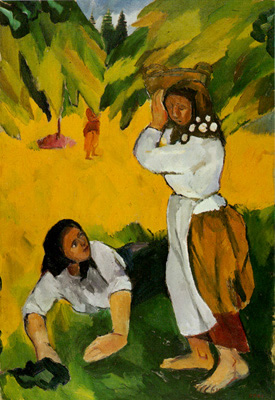
3. Natalia Goncharova, “Fruit Harvest,” 1909
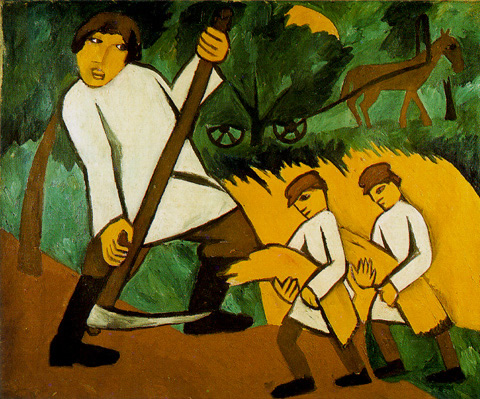
4. Natalia Goncharova, “Haycutting,” 1910
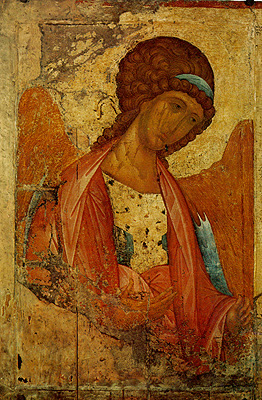
5. Andrei Rublev, Archangel Michael, 1410-1420
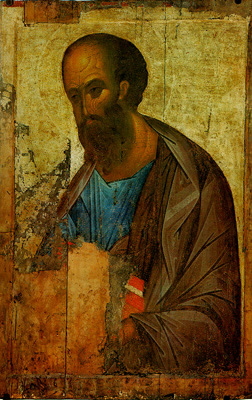
6. Andrei Rublev, The Apostle Paul, 1410-1420
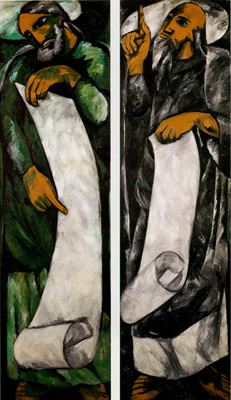
7. Natalia Goncharova, “The Evangelists,” 1910
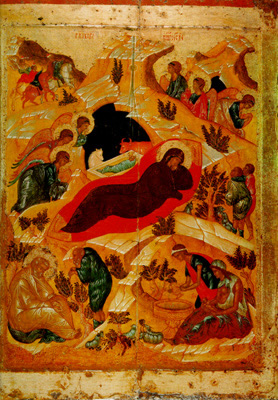
8. School of Andrei Rublev, The Nativity, 1410-1420
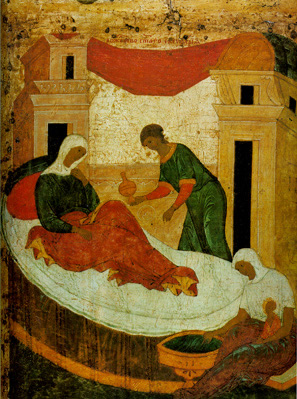
9. Workshop of Dionisy, The Birth of Elevferiy-Alexey, panel, 1480-1490
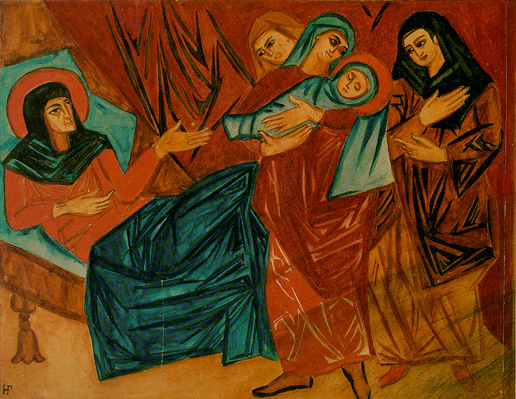
10. Natalia Goncharova, “Nativity,” 1910
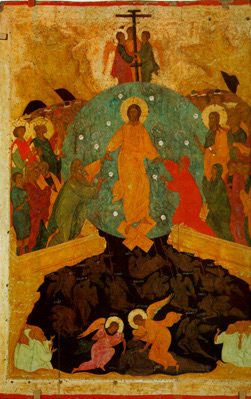
11. Workshop of Dionisy, The Descent of Christ Into Hell, 1502-1503
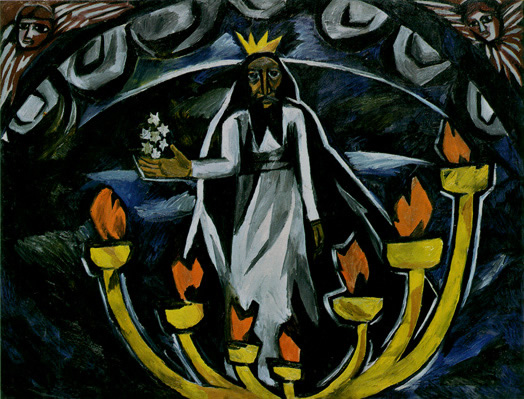
12. Natalia Goncharova, “Apocalypse,” 1910
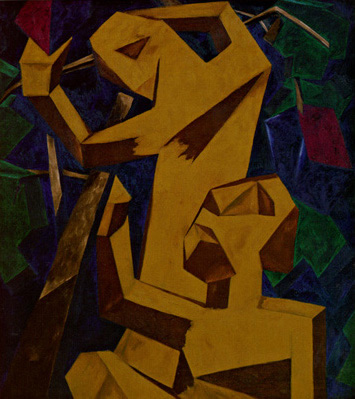
13. Natalia Goncharova, “Peasants Gathering Grapes,” 1912
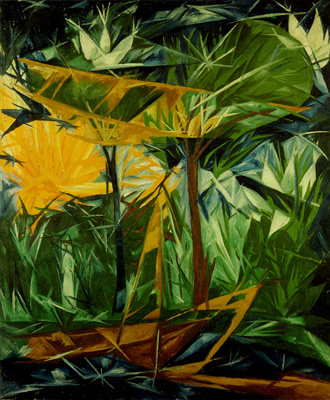
14. Natalia Goncharova, “Yellow and Green Forest, Rayonist Construction,” 1912
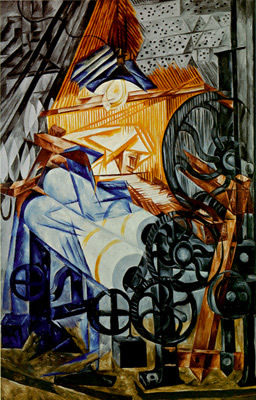
15. Natalia Goncharova, “The Weaver,” 1912-1913
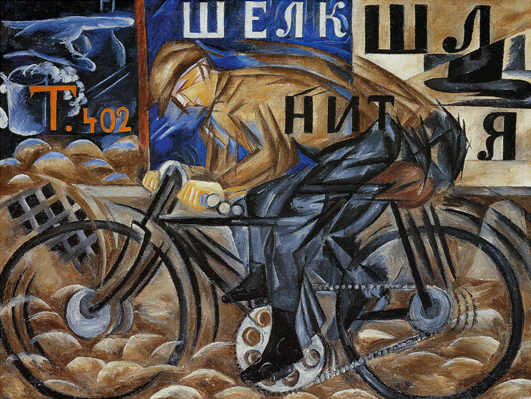
16. Natalia Goncharova, “Cyclist,” 1913
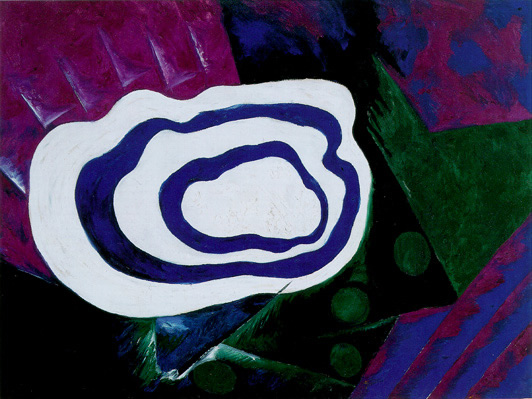
17. Natalia Goncharova, “Emptiness,” 1913
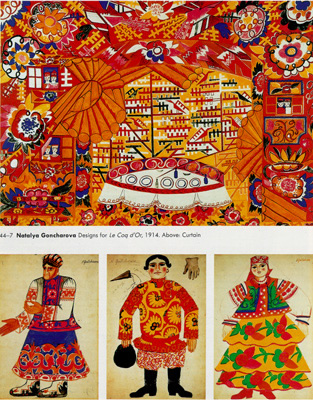
18. Natalia Goncharova, Designs for Le Coq d’Or, 1914