Carlos Cañete Jiménez, Universidad Autónoma de Madrid

Carlos Cañete is currently lecturer at the Autonomous University of Madrid (Spain). Previously, he has been researcher at the Institute of Mediterranean Languages and Cultures (CSIC, Spain, 2011-2018) and has also been Fellow of the Center for 17th and 18th Century Studies (UCLA, 2014) and Fulbright Visiting Scholar at Princeton University (2017). He specializes in the history of Spanish Orientalism and Africanism, and the intellectual history of narratives regarding the origins of human populations. He is the author of the forthcoming A History of Spanish Africanism (15th-20th Centuries) (2019, Marcial Pons) and co-author of The Archaeology of the Jesuit Missions in Ethiopia (1557-1632) (2017, Brill).
Heng Du, University of Arizona

Heng Du is Assistant Professor of East Asian Studies at the University of Arizona. Her research concerns book history in Early China (before third century CE), focusing on the transformations of textual and literary cultures during the formation of early empires from 300 BCE to 100 CE. Her book project, provisionally entitled “The Ontology of Text in Early China,” expands the concept of “paratext” so that it can serve as an analytical tool for the study of early authorship and textual identity. She is also interested in the comparative study of book cultures in the ancient world, and is currently working on a Chinese translation of book 6 of Ovid’s Fasti. Du received her Ph.D. in Chinese History from Harvard University.
Matthew Fraleigh, Brandeis University

Matthew Fraleigh is Associate Professor of East Asian Literature and Culture at Brandeis University, where he chairs the Program in Comparative Literature and co-chairs the Program in East Asian Studies. His research concerns the literature of early modern and modern Japan, especially kanshibun (Sinitic poetry and prose). His work has appeared in journals such as Japanese Studies, Monumenta Nipponica, Harvard Journal of Asiatic Studies, Kokugo kokubun, and the London Review of Books. He has published two books focused on the nineteenth-century Sinological scholar, poet, and journalist Narushima Ryūhoku: a study entitled Plucking Chrysanthemums: Narushima Ryūhoku and Sinitic Literary Traditions in Modern Japan (Harvard, 2016), and an annotated translation, New Chronicles of Yanagibashi and Diary of a Journey to the West: Narushima Ryūhoku Reports From Home and Abroad (Cornell, 2010). He is currently working on a book project that seeks to understand how early modern and modern Japanese conceptualized the act of composing Sinitic poetry
Anthony Grafton, Princeton University
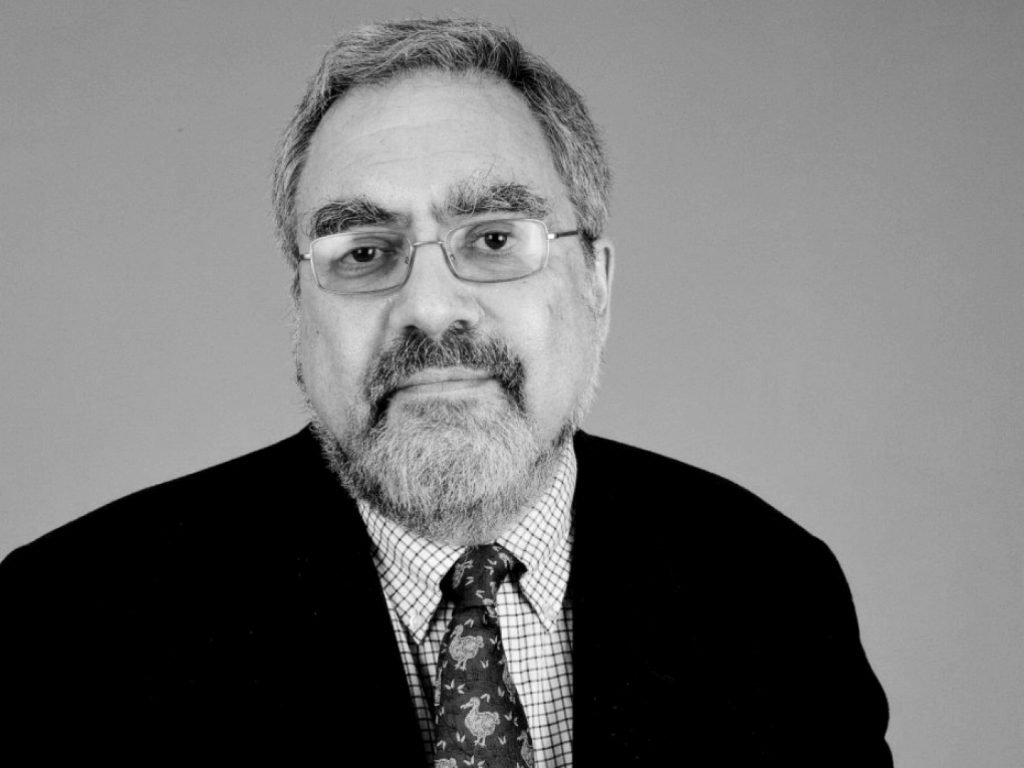
Anthony Grafton, Henry Putnam University Professor of History at Princeton University, is one of the foremost historians of early modern Europe and has authored ten books on aspects of this subject, including New Worlds, Ancient Texts: The Power of Tradition and the Shock of Discovery, which won the Los Angeles Times Book Prize in 1993. In his capacity as the Henry Putnam University Professor of History at Princeton University, he is currently engaged in a large-scale study of chronology in the 16th and 17th centuries and attempts by scholars of that time to assign dates to past events, reconstruct ancient calendars, and reconcile the Bible with other competing accounts.
John Marenbon, University of Cambridge (UK)

John Marenbon was born in London in 1955, and educated at Westminster School and Trinity College, Cambridge, where he became a fellow in 1978, which he remains. He is also now Honorary Professor of Medieval Philosophy in the University of Cambridge. He works on philosophy in the long Middle Ages and is the author of Pagans and Philosophers: The Problem of Paganism from Augustine to Leibniz (Princeton University Press, 2015) .
Ronit Ricci, Hebrew University (Jerusalem, Israel)

Associate Professor Ronit Ricci holds a joint appointment in Asian Studies at the Hebrew University of Jerusalem and the School of Culture, History and Language at the Australian National University. Since 2013 she has been working to establish the field of Indonesian Studies in Israel. Her research interests include Islamic literary cultures in Indonesia, Sri Lanka and south India, Javanese and Malay manuscript literatures, the history of exile in colonial Asia, and translation studies. She is the author of Islam Translated: Literature, Conversion, and the Arabic Cosmopolis of South and Southeast Asia (University of Chicago Press, 2011), and Banishment and Belonging: Exile and Diaspora in Sarandib, Lanka and Ceylon (forthcoming, Cambridge University Press). She is also co-editor of Translation in Asia: Theories, Practices, Histories (St. Jerome, 2011), and editor of Exile in Colonial Asia: Kings, Convicts, Commemoration (University of Hawaii Press, 2016).
Daniel J. Sheffield, Princeton University

Daniel J. Sheffield is Assistant Professor in the Department of Near Eastern Studies at Princeton University, where he teaches the history of premodern Iran and the Persian-speaking world. He specializes in the history of the Zoroastrian religion during the late medieval and early modern periods, and has recently completed a book manuscript entitled Cosmopolitan Zarathustras: Religion, Translation, and Prophethood in Iran and South Asia. He is currently working on a second book which situates the sixteenth-century Iranian ascetic Azar Kayvan and his followers within a broader account of early modern discourse about the universality of religion and political theology. This book will explore a wealth of newly discovered manuscript material ranging from sixteenth-century anthologies of theurgical invocations drawn from various religious traditions to letters related to the composition of the Dabistān-i Maẕāhib, (The School of Doctrines), the earliest non-polemical Persian-language treatise on comparative religion.
Tanvi Solanki, Yonsei University (Seoul, Korea)

Tanvi Solanki is Assistant Professor of German and Comparative Literature at Underwood International College, Yonsei University. After receiving her PhD in the German department at Princeton in 2016, she was the Taylor Postdoctoral Associate in the College of Arts and Sciences and Department of German Studies at Cornell (2016-8). She is currently working on a book manuscript, “Aural Philology: Listening, Reading, and Cultural Difference in Eighteenth Century Germany.” Much of her work concerns comparative methods in the European Enlightenment, with a special focus on J.G. Herder.
Camilla Townsend, Rutgers University

Camilla Townsend is Distinguished Professor of History at Rutgers, New Brunswick. She studies indigenous peoples of the Americas in the era of contact and conquest. For her work with texts in the Nahuatl (or Aztec) language, she has received grants from the American Philosophical Society, the National Endowment for the Humanities, and the John Simon Guggenheim Memorial Foundation. She has authored numerous books. The most recent, Annals of Native America: How the Nahuas of Colonial Mexico Kept Their History Alive (Oxford 2016) received last year’s Beveridge Award from the American Historical Association.
Nathan Vedal, Washington University in Saint Louis
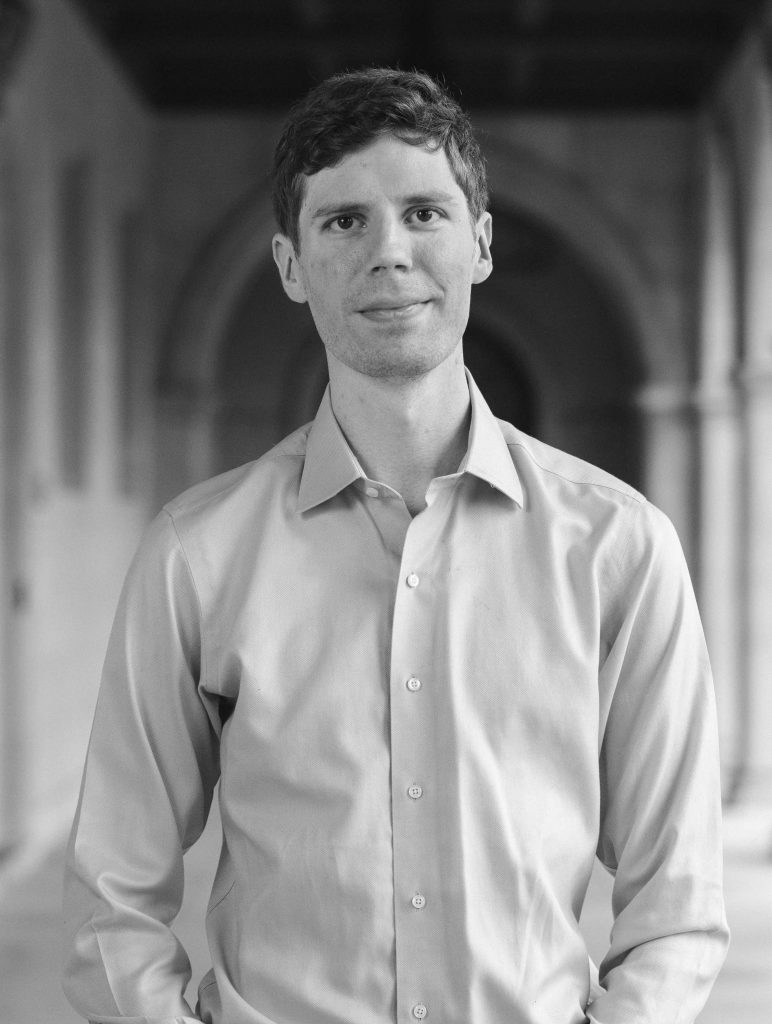
Nathan Vedal is currently an assistant professor in the department of East Asian Languages and Cultures at Washington University in St. Louis. He received his Ph.D. from Harvard University in 2017 and specializes in late imperial Chinese cultural and intellectual history. His current book project examines the formation of scholarly disciplines in China over the course of the sixteenth through nineteenth centuries. Other research interests include the circulation of banned books and visual representations of information in late imperial China.
Alexander Bevilacqua, Williams College (convener)
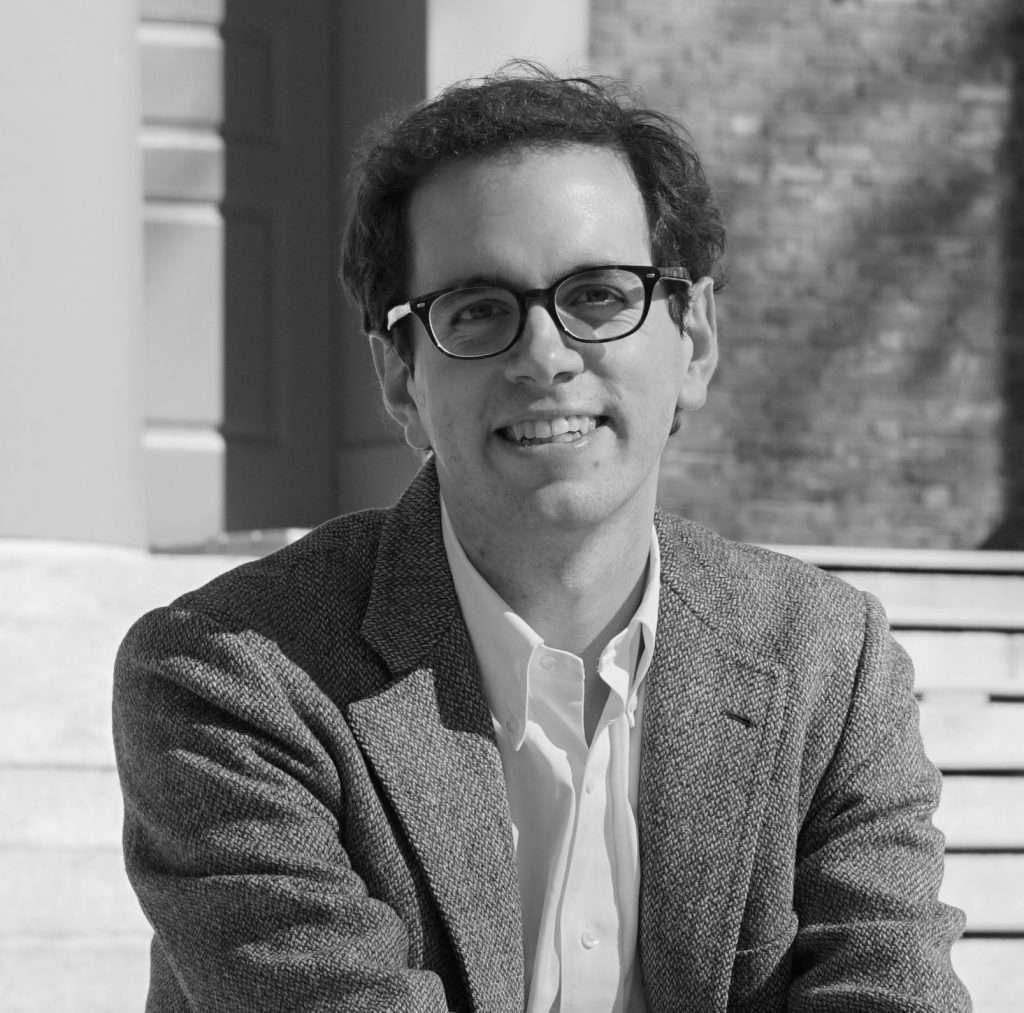
Alexander Bevilacqua is assistant professor of early modern European history at Williams. His first book, The Republic of Arabic Letters: Islam and the European Enlightenment, appeared with Harvard University Press in 2018. With Frederic Clark he is co-editor of Thinking in the Past Tense: Eight Conversations (University of Chicago Press, 2019).